Can I Get Cash for My Old Car? A Complete Guide
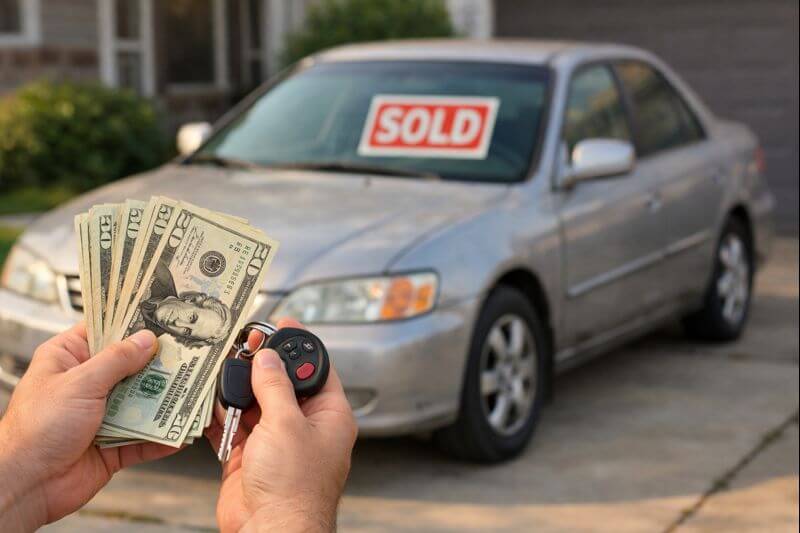
Yes, you can absolutely get cash for your old car—and often faster than you think. Whether your vehicle is 10 years old or 30, running smoothly or sitting in your driveway with a dead engine, a buyer is willing to pay you for it. The key is knowing where to sell, how to maximize your payout, and what pitfalls to avoid along the way.
This guide breaks down everything you need to know about turning that aging vehicle into immediate cash, even if it hasn’t moved in months.
Can You Really Get Cash for an Old Car?
Absolutely. The used car market is enormous, and even vehicles that seem worthless have value—whether as parts, scrap metal, or affordable transportation for budget-conscious buyers.
Here’s why old cars still command cash:
- Parts demand: Mechanics and DIY enthusiasts need affordable replacement parts
- Scrap metal value: Steel, aluminum, and catalytic converters hold significant recyclable value
- Budget buyer market: Many people need cheap, functional transportation
- Export opportunities: Some buyers refurbish old cars for international markets
I’ve personally sold a 2003 Honda Civic with 220,000 miles for $1,800 to a private buyer who needed basic commuter transport. That same car would’ve fetched around $400 at a scrapyard. The difference? Understanding your options.
What Counts as an “Old” Car?
There’s no universal definition, but in the resale market, “old” typically means:
- Age: 10+ years from current model year
- Mileage: Over 100,000 miles
- Condition: Showing significant wear, requiring repairs, or no longer reliable
However, age alone doesn’t determine value. A well-maintained 15-year-old Toyota Camry can sell for considerably more than a neglected 8-year-old luxury sedan with mechanical issues.
What matters more than age:
- Overall condition and maintenance history
- Brand reputation for reliability (Honda, Toyota, Subaru hold value better)
- Market demand for that particular model
- Mechanical functionality
How Much Cash Can You Get for an Old Car?
The honest answer: it varies widely based on condition, location, and how you sell.
Realistic value ranges:
Running and drivable (minor issues): $500–$5,000+
- Depends heavily on make, model, and local demand
- Clean title and maintenance records increase value
- Popular models like Honda Accord, Toyota Corolla command higher prices
Non-running or major mechanical problems: $150–$800
- Primarily scrap value plus usable parts
- Engine, transmission failures typically land here
- Location affects scrap metal prices
Totaled or severe damage: $100–$500
- Mostly metal weight value
- Catalytic converter alone can be worth $50–$300
- Some buyers part out vehicles for profit
Factors that increase your payout:
- Clean title with no liens
- Complete maintenance records
- Working air conditioning and electronics
- Good tires and battery
- Low rust or body damage
- Desirable color (neutral colors sell better)
I once helped a neighbor sell a non-running 1998 Ford Explorer. We got three quotes: $200 from a scrapyard, $350 from a junk car buyer with free towing, and $525 from a mechanic who wanted it for parts. Always compare offers.
Best Places to Get Cash for an Old Car
Your selling venue dramatically impacts how much cash you receive and how quickly you get paid.
Local Junk Car Buyers
Best for: Non-running cars, quick sales, minimal hassle
These businesses specialize in buying vehicles regardless of condition. They typically offer free towing and same-day payment.
Pros:
- Fast process (often 24–48 hours)
- Free vehicle removal
- Accept cars without titles (in some states)
- Cash payment on pickup
Cons:
- Lower offers than private sales
- Less negotiation room
- Some operate scams (verify legitimacy first)
How to use them safely: Get multiple quotes, check online reviews, verify business licenses, and never sign over your title before receiving payment.
Online Car-Buying Platforms
Best for: Running vehicles, transparent pricing, convenience
Services like Carvana, Vroom, Peddle, and CarBrain offer instant online quotes and will purchase your car remotely.
Pros:
- Convenient online process
- Competitive offers for running vehicles
- Clear pricing with no haggling
- Professional transaction handling
Cons:
- May offer less than private party sales
- Some charge pickup fees
- Condition verification can adjust initial quote
- Limited negotiation
Real-world tip: I got a quote for a 2007 Mazda3 from three online buyers. Offers ranged from $1,200 to $1,850 for the identical vehicle. Always get multiple quotes.
Dealership Trade-Ins
Best for: Buying another car simultaneously, tax benefits
Trading your old car when purchasing another vehicle can reduce sales tax on your new purchase in most states.
Pros:
- Tax advantage (trade value reduces taxable amount)
- Convenient one-stop transaction
- No need to handle private sale logistics
Cons:
- Typically lowest cash value option
- Pressure to buy immediately
- Limited negotiation on trade value
Strategy: Get independent appraisals before accepting a dealer trade offer. Use competing offers as negotiation leverage.
Private Buyers
Best for: Maximizing cash value, running vehicles
Selling directly to another individual typically yields the highest return, especially for functional vehicles.
Pros:
- Highest potential payout
- Direct negotiation
- Control over sale terms
Cons:
- Time-consuming (listings, showings, negotiations)
- Safety concerns meeting strangers
- Requires handling paperwork yourself
- Payment scam risks
Safety precautions: Meet in public places, bring someone with you, verify payment before transferring title, and use secure payment methods (cash or verified cashier’s check).
Scrap Yards
Best for: Vehicles with no remaining utility, guaranteed minimum value
Scrapyards pay based on metal weight and current commodity prices.
Pros:
- Guaranteed minimum value
- Accept any condition
- Environmentally responsible disposal
- Simple transaction
Cons:
- Lowest payout option
- Prices fluctuate with metal markets
- Must arrange towing (unless they offer free removal)
Current scrap rates: Expect roughly $100–$400 depending on vehicle size and local metal prices. Call multiple yards—prices vary significantly.
Selling an Old Car That Doesn’t Run
A non-running car absolutely still has cash value. Here’s how to maximize it:
Identify what’s wrong:
- Minor issue (dead battery, starter): Worth fixing for higher resale
- Major issue (blown engine, transmission): Sell as-is to junk buyers or parts buyers
Best buyers for non-running vehicles:
- Junk car removal services: Offer $150–$600 with free towing
- Mechanics and body shops: May pay more for specific models they can repair and resell
- Parts buyers: Will pay premium for vehicles with valuable components
- Scrapyards: Guaranteed baseline offer
What affects non-running car value:
- Catalytic converter condition (highly valuable)
- Usable parts (transmission, engine components, electronics)
- Body condition (for parts vehicles)
- Make and model popularity
I sold a 2001 Jeep Cherokee with a seized engine for $425 to a junk removal service. A mechanic friend later told me it probably had $800 worth of usable parts. Know your vehicle’s component value before accepting the first offer.
Do You Need the Title to Get Cash?
Short answer: Usually yes, but not always.
With a clean title:
- You can sell to anyone
- Get maximum value
- Simple, legal transaction
Without a title:
- Some junk car buyers will purchase (state-dependent)
- Expect significantly lower offers
- May need additional paperwork (bill of sale, registration, ID)
- Cannot sell to private parties in most states
How to handle missing titles:
- Get a duplicate title: Contact your state DMV ($15–$50 fee, takes 1–4 weeks)
- Sell to buyers who accept no-title vehicles: Junk buyers in some states
- Provide alternative proof of ownership: Registration and ID may work for scrap-only sales
States that allow no-title sales to scrapyards (verify current regulations):
- Texas (with proper ID and registration)
- Florida (for vehicles over 10 years old)
- Georgia (with specific documentation)
Warning: Never sell to anyone who seems suspicious about title requirements. Legitimate buyers follow legal processes.
How to Get the Most Money for Your Old Car
Maximize your payout with these proven strategies:
Before listing:
- Clean thoroughly: A $20 detail can increase perceived value by hundreds
- Make minor repairs: Fix obvious issues like lights, wipers, or simple mechanical problems
- Gather documentation: Maintenance records, repair receipts, and vehicle history
- Check market value: Use KBB, Edmunds, or local listings to set realistic expectations
During the sale:
- Get multiple quotes: Aim for at least 3–5 offers
- Timing matters: Sell convertibles in spring, 4WD vehicles before winter
- Be honest about condition: Transparency builds trust and prevents renegotiation
- Remove personal items and plates: Protect your privacy and follow state laws
Negotiation tactics:
- Start slightly higher than your target price
- Have competing offers ready to mention
- Know your walk-away number
- Consider value of convenience (free towing, quick cash) versus maximum price
Real example: A client listed a 2005 Nissan Altima with 180,000 miles for $1,500. After detailing ($30), replacing wiper blades ($15), and providing maintenance records, they sold for $1,750 to a private buyer within two weeks.
Step-by-Step: How to Sell Your Old Car for Cash
Follow this process for a smooth, safe transaction:
Step 1: Assess Your Vehicle
- Note year, make, model, mileage, and condition
- Identify mechanical issues or damage
- Determine if running or non-running
Step 2: Research Value
- Check online valuation tools
- Browse local classified ads for similar vehicles
- Contact 3–5 potential buyers for quotes
Step 3: Choose Your Selling Method
- Private sale (maximum value, more effort)
- Online car buyer (balance of price and convenience)
- Junk car buyer (quick cash, minimal hassle)
- Scrapyard (baseline guaranteed offer)
Step 4: Prepare the Vehicle
- Clean inside and out
- Remove personal belongings
- Gather title and documentation
- Make minor cosmetic fixes
Step 5: List or Get Quotes
- Create detailed, honest listings with photos
- Respond promptly to inquiries
- Compare all offers received
Step 6: Finalize the Sale
- Meet in safe, public location
- Verify payment before signing title
- Complete bill of sale (both parties sign)
- Remove license plates
- Cancel insurance after transfer
Step 7: Transfer Ownership
- Sign title over to buyer
- Complete odometer disclosure
- Provide copy of bill of sale
- Report sale to DMV (protects you from liability)
Common Mistakes to Avoid
Don’t sabotage your sale with these frequent errors:
Pricing mistakes:
- Overvaluing based on emotional attachment
- Accepting first lowball offer without shopping around
- Ignoring local market conditions
Preparation errors:
- Skipping cleaning (buyers judge harshly)
- Hiding known issues (leads to deal collapse)
- Losing title and delaying sale
Safety oversights:
- Meeting strangers alone at your home
- Accepting personal checks from unknown buyers
- Signing over title before receiving payment
Legal problems:
- Not canceling insurance promptly
- Forgetting to notify DMV of sale
- Failing to remove personal data from electronics
Scam warning signs:
- Buyer offers more than asking price
- Requests wire transfer or unusual payment
- Wants to “hold” title before full payment
- Pressures immediate decision without inspection
I once nearly fell for a scam where a “buyer” sent a cashier’s check for $500 more than asking price, requesting I wire back the difference. The check was fraudulent. Always verify funds clear before completing transfer.
Is It Worth Selling an Old Car for Cash?
For most people, yes—especially considering these factors:
Sell if:
- Repair costs exceed vehicle value
- Registration, insurance, and maintenance are draining your budget
- The car sits unused occupying space
- You need immediate cash
- Ongoing issues create stress or safety concerns
Consider keeping if:
- Repairs are minor and restore reliable function
- The car serves as backup transportation
- Classic or collectible models may appreciate
- Family sentimental value outweighs financial gain
Calculate true cost of keeping:
- Insurance: $50–$150/month
- Registration: $50–$200/year
- Storage or parking: Varies
- Opportunity cost: What else could that space/money provide?
Even a $300 offer for a non-running car beats paying insurance and registration on a vehicle you’ll never drive.
Environmental consideration: Selling to legitimate buyers ensures proper recycling of fluids, metals, and toxic materials rather than abandonment.
FAQs
Can I sell my car without a title?
Some junk car buyers will purchase vehicles without titles, but you’ll receive significantly less money and options are limited by state regulations. Getting a duplicate title from your DMV takes 1–4 weeks and typically costs $15–$50—usually worth the effort for better offers.
How much is my old car worth for scrap?
Scrap value typically ranges from $100–$400 depending on vehicle size, weight, and current metal commodity prices. Larger vehicles like trucks and SUVs yield higher scrap values than compact cars.
What’s the fastest way to sell my old car?
Contact junk car buyers who offer free towing and same-day payment. Many can complete transactions within 24–48 hours. Online platforms like Peddle or CarBrain can also provide quick offers and pickup within a week.
Do junk car buyers really offer free towing?
Yes, most legitimate junk car buyers include free towing in their service. This is factored into their offer price. Always confirm towing is free before accepting any quote.
Can I get cash for a car with a blown engine?
Absolutely. Vehicles with blown engines still have value through usable parts, scrap metal, and recyclable materials. Expect offers between $150–$600 from junk buyers, depending on make, model, and other functional components.
Is it better to part out my old car or sell it whole?
Selling whole is easier and faster. Parting out can yield more total money but requires mechanical knowledge, storage space, time to list and sell individual parts, and disposing of the remaining shell. For most people, selling whole makes more sense.
How do I avoid getting scammed when selling my old car?
Meet buyers in public places, never sign over the title before receiving verified payment, avoid wire transfers or personal checks from strangers, get multiple offers to verify fair market value, and trust your instincts if something feels wrong.
Should I fix my old car before selling?
Make minor, inexpensive fixes that improve appearance and function (cleaning, bulbs, wipers) but avoid major repairs. You typically won’t recoup major repair costs in resale value. Be honest about issues and let buyers decide on repairs.
Conclusion
Getting cash for your old car is not only possible—it’s straightforward when you know your options. Whether your vehicle runs perfectly or sits immobile in your driveway, buyers exist who’ll pay fair value for it. The key is comparing multiple offers, understanding your car’s true worth, and choosing the right selling method for your situation. From private buyers offering top dollar to junk car services providing quick, hassle-free cash, you control the outcome. Don’t let that aging vehicle depreciate further or drain your wallet with insurance and registration. Take action today, get your quotes, and transform that old car into immediate cash.