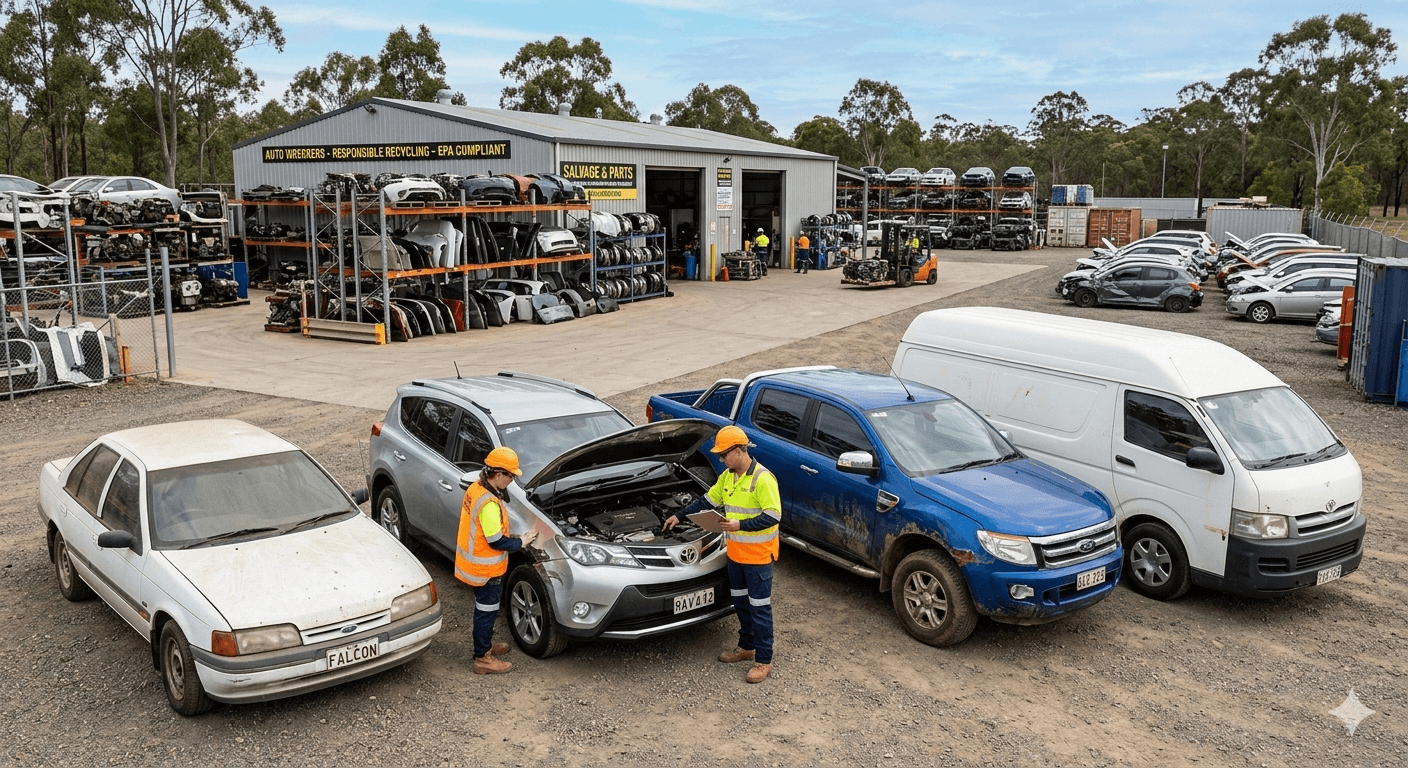
How Do I Prepare My Car for Disposal? A Complete Step-by-Step Guide
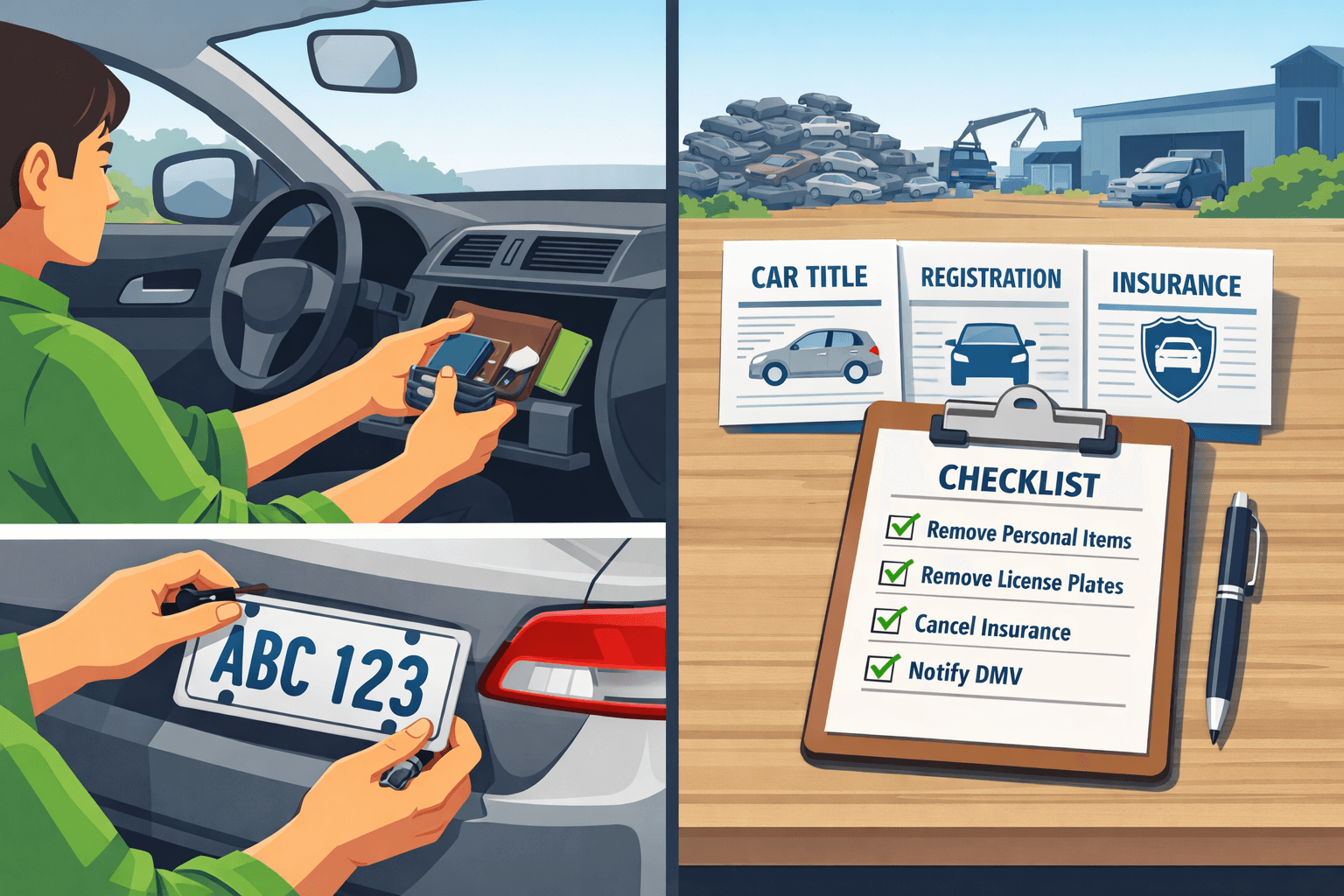
Whether your vehicle has reached the end of its road or you simply need to make room in your driveway, disposing of a car properly requires more than just calling a tow truck. I’ve guided hundreds of car owners through this process, and I can tell you firsthand: the people who prepare thoroughly avoid headaches, protect themselves legally, and often walk away with more money in their pocket.
Let me walk you through exactly how to prepare your car for disposal the right way.
Why Proper Preparation Matters
Skipping preparation steps can lead to identity theft from documents left in your glove box, fines for improper registration cancellation, or even liability if your old vehicle gets involved in illegal activity after you think you’ve disposed of it. Taking an hour to prepare properly protects you from months of potential problems.
Step-by-Step: Preparing Your Car for Disposal
Remove All Personal Belongings
This sounds obvious, but you’d be surprised what people leave behind. Check these spots carefully:
- Glove compartment and center console – registration cards, insurance papers, old toll passes
- Door pockets and seat-back pouches – sunglasses, parking permits, garage door openers
- Trunk – emergency kits, tools, spare tire (if you paid for it separately)
- Under seats – coins, important documents, children’s toys
- Attached devices – GPS units, dash cams, phone mounts, radar detectors
I once helped someone who discovered their garage door opener in a scrapped car three days too late. Don’t let that be you.
Gather and Organize Your Paperwork
You’ll need proof that you legally own the vehicle. Collect these documents:
- Certificate of title (the most important document)
- Current registration
- Insurance card
- Maintenance records (helpful if selling for parts)
- Loan payoff documentation (if applicable)
Important: If you still owe money on the car, contact your lender before proceeding. You cannot legally dispose of a vehicle with an active lien without the lienholder’s permission.
Remove License Plates
In most states and provinces, you’re legally required to remove your plates before the car leaves your possession. Here’s why this matters:
If someone uses your plates after disposal, you could be held responsible for toll violations, parking tickets, or even crimes. Remove both front and rear plates and either:
- Return them to your local DMV or motor vehicle department
- Transfer them to your new vehicle (if permitted in your area)
- Destroy them according to local regulations
Some disposal services will remove plates for you, but don’t assume this—do it yourself to be safe.
Cancel Your Insurance (But Not Too Early)
Timing is critical here. You typically need to maintain insurance until the vehicle is officially transferred or picked up. Follow this sequence:
- Confirm the exact pickup or transfer date with your disposal service
- Contact your insurance company to cancel coverage effective the day after transfer
- Request a refund for any unused premium (most insurers provide this)
- Get written confirmation of the cancellation
Warning: Canceling insurance before the official transfer date can leave you liable if something happens during transport.
Notify Your Motor Vehicle Department
Most jurisdictions require you to formally release ownership. This process varies by location:
- Online notification – Many states now offer digital release of liability forms
- In-person visit – Bring your title, ID, and proof of disposal
- Mail-in forms – Download and submit a notice of transfer
This step protects you from future liability. Without it, parking tickets or towing fees could still come to your address months later.
Handle the Title Transfer Correctly
How you transfer the title depends on your disposal method:
For junkyards and salvage yards: Sign the title over to the buyer. Fill out the seller’s section completely, including:
- Buyer’s name and address
- Sale date and odometer reading
- Sale price (even if it’s $0 or minimal)
- Your signature
For donation: The charity should provide title transfer instructions. Keep their receipt for tax purposes.
For private sale or part-out: Complete a bill of sale in addition to the title transfer.
Lost your title? Apply for a duplicate from your motor vehicle department before proceeding. Disposal without proper title documentation creates legal complications.
Drain Hazardous Fluids (If Required)
Reputable salvage yards and recyclers handle fluid removal themselves—they have the proper equipment and disposal methods. However, if you’re parting out the vehicle yourself or using an informal disposal method:
- Never drain fluids onto the ground or into storm drains (hefty environmental fines apply)
- Contact your local hazardous waste facility for proper antifreeze, oil, and transmission fluid disposal
- Leave gasoline removal to professionals (fire hazard)
Most licensed auto recyclers include fluid removal as part of their service, making this one less thing to worry about.
Decide What to Keep or Sell Separately
Before final disposal, consider removing valuable components you can sell independently:
Good candidates for separate sale:
- Newer batteries (under 3 years old)
- Quality tires with good tread
- Custom wheels or rims
- Aftermarket stereo systems
- Performance parts you added
- Catalytic converters (contain valuable metals)
Generally not worth the effort:
- Standard headlights and taillights
- Interior trim pieces
- Common mechanical parts
Be honest about your mechanical skill level. Removing parts improperly can reduce the vehicle’s scrap value more than the parts are worth separately.
Get Multiple Disposal Quotes
Don’t accept the first offer. Prices vary significantly based on:
- Current scrap metal prices
- Vehicle weight and condition
- Presence of valuable components
- Local demand for parts
Call at least three options:
- Local salvage yards
- National junk car buyers (1-800-JUNK-CAR type services)
- Auto recyclers specializing in your vehicle make
- Charitable organizations (if donating)
Ask each: “What’s your final offer including free towing?” Get it in writing via email or text.
Verify the Disposal Company’s Credentials
Not all disposal services operate legally or ethically. Protect yourself by confirming:
- Valid business license – Check with your state’s business registry
- Environmental compliance certifications – Legitimate recyclers follow EPA guidelines
- Physical business address – Avoid “businesses” operating only from cell phones
- Proof of insurance – They should carry liability coverage for towing and processing
Ask directly: “Are you licensed to recycle vehicles in this state?” A hesitant answer is a red flag.
Document Everything
Create a disposal file with:
- Photos of the vehicle (condition, VIN, odometer)
- Signed title transfer documents
- Bill of sale or receipt from the disposal service
- Confirmation of insurance cancellation
- DMV notification confirmation
- Any correspondence about the transaction
Keep this file for at least three years. If questions arise about ownership or liability, you’ll have proof of proper disposal.
Obtain a Certificate of Destruction (When Applicable)
For vehicles being scrapped or recycled (not resold), request a certificate of destruction. This official document proves the vehicle was dismantled and cannot be re-titled or returned to the road.
This is especially important for:
- Vehicles with salvage titles
- Cars involved in major accidents
- Vehicles you want to ensure are permanently removed from circulation
Not all disposal methods provide this certificate, but it’s worth asking for peace of mind.
Common Preparation Mistakes to Avoid
Leaving the gas tank full:
While you don’t need to empty it completely, a full tank adds unnecessary weight and potential hazards during transport. A quarter tank or less is ideal.
Forgetting toll transponders:
E-ZPass, FasTrak, and similar devices continue charging your account even after disposal. Remove and cancel them separately.
Not checking for recalls:
If your vehicle has an open safety recall, some manufacturers will buy it back rather than let it return to the road. Check the NHTSA recall database before scrapping.
Assuming “free towing” means free:
Some services deduct towing costs from your payment. Clarify whether the quoted price is what you’ll actually receive.
Disposing of a leased vehicle improperly:
Leased cars must be returned to the dealership or leasing company. Scrapping a leased vehicle violates your contract and can result in significant penalties.
Legal Requirements by Disposal Method
Selling to a Junkyard or Salvage Yard
- Proof of ownership (title in your name)
- Valid government-issued ID
- Signed title transfer
- In some states, a bill of sale
- License plates removed
Donating to Charity
- Clear title (most charities won’t accept vehicles with liens)
- Registration may be current (varies by charity)
- Tax receipt for IRS Form 8283 (for deductions over $500)
- Disclosure of vehicle condition
Recycling Through a Licensed Facility
- Same documentation as salvage yards
- May require additional environmental compliance forms
- Some facilities require advance appointment
Selling for Parts (Private)
- Title transfer for each major component in some jurisdictions
- Bill of sale for each transaction
- Business license if selling regularly (avoid appearing as an unlicensed dealer)
Environmental and Safety Considerations
Fluids and Hazardous Materials
Vehicles contain materials that require special handling:
- Motor oil and transmission fluid – Recyclable at most auto parts stores
- Antifreeze – Contains toxic ethylene glycol
- Brake fluid – Corrosive and flammable
- Refrigerants – Illegal to release into atmosphere (requires certified technician)
- Mercury switches – Found in older vehicles’ trunk lights and ABS systems
- Lead-acid battery – Recyclable for core deposit at most retailers
Licensed recyclers handle these materials properly. If you’re doing this yourself, contact your county’s household hazardous waste program.
Airbag Disposal
Undeployed airbags are explosive devices requiring professional handling. Never attempt to remove or deploy airbags yourself. Licensed dismantlers have the training and equipment to safely deactivate and dispose of them.
Tire Disposal
Many areas charge a tire disposal fee ($2-5 per tire). If you’re keeping the tires, you’re responsible for proper disposal separately. Check if your salvage yard includes tire disposal in their service.
Comparing Your Disposal Options
Scrap or Junk
Best for: Non-running vehicles, older cars with little resale value
Typical payout: $150-$500 depending on weight and metal prices
Pros: Quick, they handle towing, minimal paperwork
Cons: Lowest return on value, car is destroyed
Recycling
Best for: Environmentally conscious owners, newer vehicles with reusable parts
Typical payout: Similar to scrap, sometimes higher for sought-after parts
Pros: Environmentally responsible, supports circular economy
Cons: May take longer to process, payout similar to scrap
Donation
Best for: Charitable tax deduction (if you itemize), non-running vehicles
Typical value: Tax deduction based on actual sale price (often $500 or less)
Pros: Supports a cause, potential tax benefit, free towing
Cons: Often worth less than private sale, deduction limited to sale price, requires IRS Form 8283
Selling for Parts
Best for: Desirable makes/models, mechanically skilled owners, those with time and space
Typical payout: Potentially $1,000-$3,000+ for in-demand vehicles
Pros: Highest potential return, you control the process
Cons: Time-consuming, requires storage space and mechanical knowledge, dealing with multiple buyers, responsible for final hull disposal
Private Sale (As-Is)
Best for: Running vehicles with resale value, even if they need work
Typical payout: Varies widely ($500-$5,000+ depending on condition)
Pros: Better return than scrap, single transaction
Cons: Takes time, requires advertising, dealing with buyers, and liability until the sale completes
Frequently Asked Questions
Can I dispose of a car without a title?
Technically yes, but it’s complicated and varies by state. Some junkyards accept vehicles without titles if they’re older than a certain year (often 10-15 years) and you provide a valid ID and sign an affidavit. However, you’ll typically get a lower price, and this option isn’t available everywhere. Getting a duplicate title is almost always easier and more profitable.
What happens to my car after disposal?
At a licensed recycler: fluids are drained and properly disposed of, valuable components (engine, transmission, catalytic converter) are removed for resale, hazardous materials are handled separately, remaining metal is crushed and sold to scrap processors, and plastics and glass are sorted for recycling when possible. About 75-80% of a typical vehicle is recycled.
How much should I expect to get for my junk car?
Current scrap prices fluctuate with metal markets, but typical ranges are: non-running compact cars $200-$350, non-running full-size vehicles $300-$500, running but unwanted vehicles $400-$800, and vehicles with valuable parts or catalytic converters potentially more. Get quotes on the same day—scrap prices change weekly.
Do I need to be present when they pick up the car?
Most services require you to be present to sign the title transfer and hand over keys. Some allow you to leave signed documents in the vehicle if you can’t be there, but this is risky—never leave a signed blank title in an unattended vehicle.
What if I’m still making payments on the car?
Contact your lender immediately. You’ll need to either pay off the loan entirely before disposal or work out arrangements with your lender. Some lenders will allow disposal if the sale price covers the remaining balance, but you cannot legally transfer a vehicle with an active lien without the lienholder’s approval.
Can I dispose of someone else’s car?
Only if you have legal power of attorney or are the executor of their estate with proper documentation. You cannot dispose of a vehicle that’s not titled in your name without proper legal authorization. Doing so is illegal and constitutes theft.
How long does the disposal process take?
Once you’ve completed preparation: same-day pickup is common if you accept the first offer and the service has availability. The entire process from research to completion typically takes 2-5 days. Title processing and official ownership release take 2-4 weeks after pickup.
Will I owe taxes on money received from disposal?
Generally no. The IRS doesn’t consider selling personal property at a loss (which disposal usually represents) as taxable income. However, if you’re donating and claiming a deduction, different rules apply. Consult a tax professional for your specific situation.
Conclusion
Preparing your car for disposal doesn’t need to be overwhelming. By following these steps—removing personal items, handling paperwork correctly, canceling insurance at the right time, and choosing a reputable disposal service—you protect yourself from future liability while maximizing your return. Whether you’re scrapping, recycling, donating, or selling for parts, thorough preparation is your best defense against legal headaches and financial loss. Take an hour today to do this right, and you’ll save yourself months of potential problems. Your old vehicle’s final chapter should be simple, safe, and completely worry-free. Now you have the knowledge to make that happen.