How Junk Car Removal Works: Your Complete Guide to Selling a Scrap Vehicle
Getting rid of an old, damaged, or non-running vehicle doesn’t have to be complicated. Junk car removal services handle the entire process—from offering you a price to towing your vehicle away and recycling it responsibly. Whether your car has been totaled in an accident, has a blown engine, or simply isn’t worth repairing, understanding how junk car removal works helps you get the best value while avoiding common pitfalls.
This guide walks you through every step of the process, explains what your junk car is worth, clarifies the paperwork you’ll need, and shows you how to choose a legitimate removal company.
What Is Junk Car Removal?
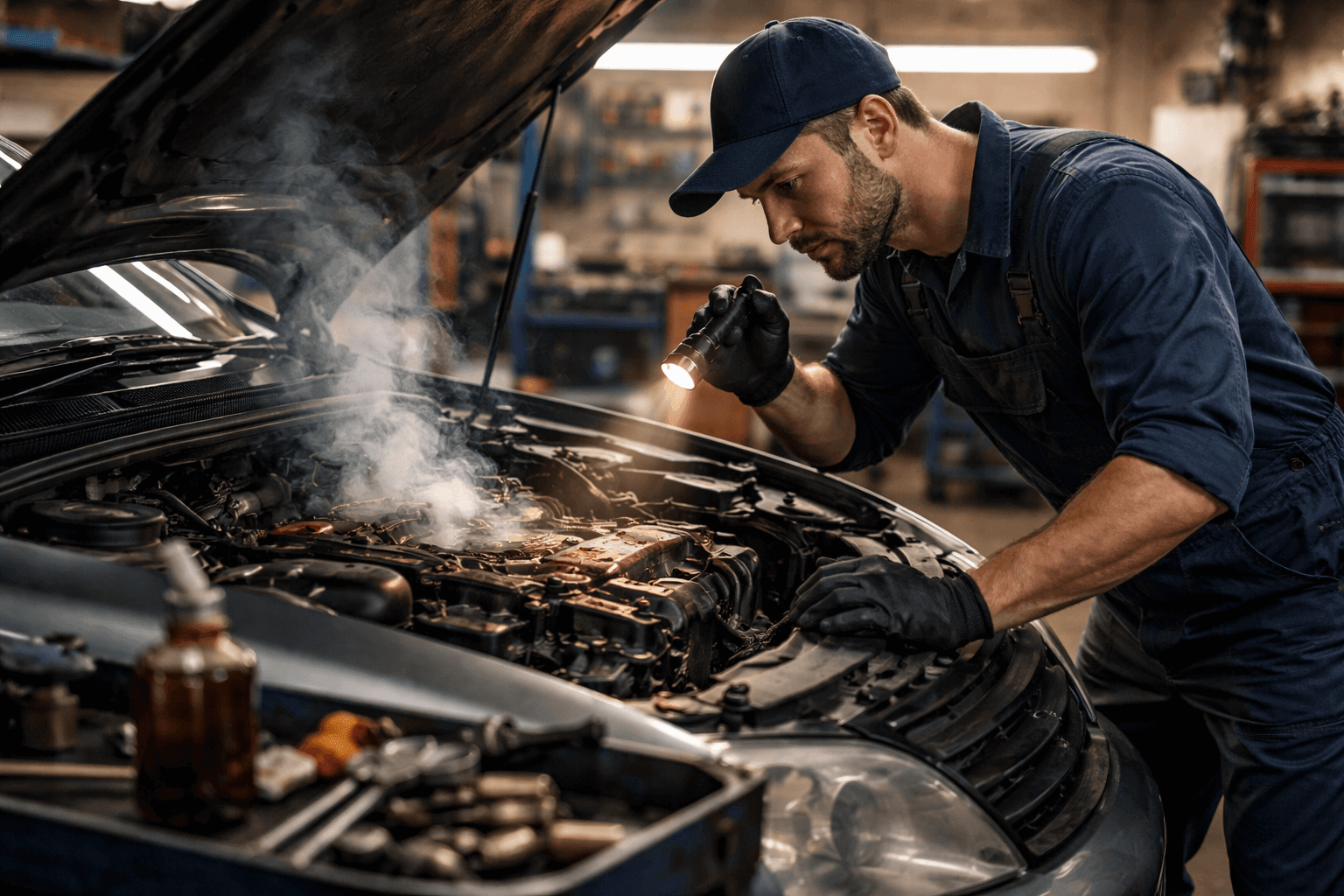
Junk car removal is a service where auto recyclers, salvage yards, or specialized junk car buyers purchase your unwanted vehicle, tow it away at no cost to you, and pay you for its scrap value. The term “junk car” typically refers to vehicles that are no longer roadworthy due to age, damage, mechanical failure, or cost-prohibitive repairs.
Who needs junk car removal?
- Owners of accident-damaged vehicles declared a total loss
- People with cars that have expensive mechanical problems (transmission failure, engine damage)
- Sellers with high-mileage vehicles not worth trading in
- Property owners needing to remove abandoned or non-running cars
- Anyone wanting to dispose of an old vehicle responsibly
Unlike selling a used car privately, junk car removal doesn’t require your vehicle to run or look presentable. The buyer is primarily interested in the vehicle’s weight in scrap metal and any salvageable parts.
Step-by-Step: How the Junk Car Removal Process Works
The entire process typically takes 1-3 days from initial contact to receiving payment. Here’s exactly what happens:
1. Request a Quote
You contact a junk car buyer—either online, by phone, or through an app—and provide basic information about your vehicle:
- Year, make, model
- Current condition (running or not, damage extent)
- Location (city and postal code)
- Title status
Most companies provide instant quotes based on current scrap metal prices, the vehicle’s weight, and demand for its parts. You might receive offers ranging from $100 to $500 for typical junk cars, though valuable parts or precious metals like catalytic converters can increase this significantly.
Expert tip: Get quotes from 3-4 different buyers. Prices can vary by $100-$300 depending on the company’s resale network and current metal inventory.
2. Accept the Offer
If you’re satisfied with the quote, you accept the offer. Legitimate companies lock in the price at this stage—it shouldn’t change when they inspect the vehicle unless you provided inaccurate information about its condition.
Ask for confirmation in writing (email or text) that includes:
- The agreed price
- Pickup date and time window
- Payment method
- Any requirements (keys, title, identification)
3. Schedule Pickup
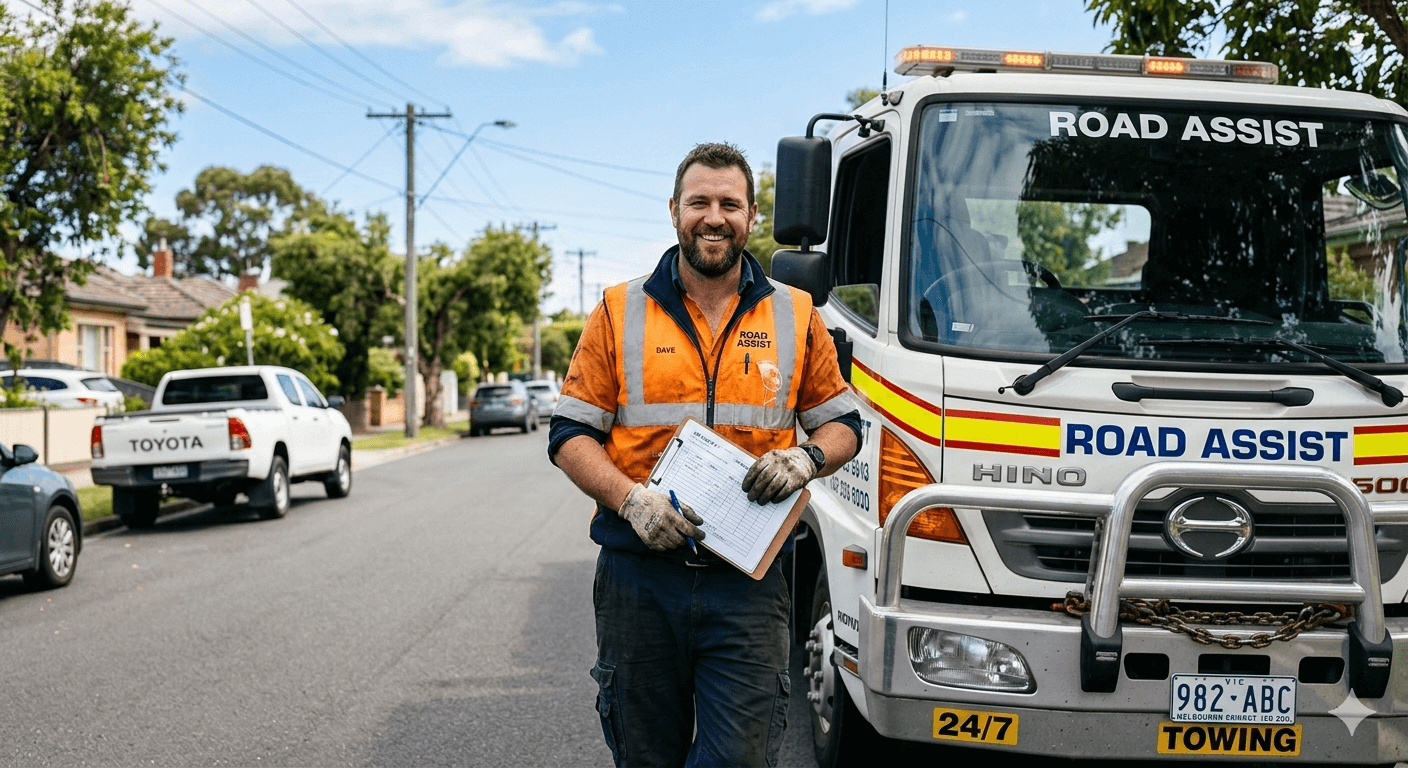
Most junk car removal services offer free towing and will come to your location—home, workplace, or storage facility. You’ll schedule a convenient time, often with same-day or next-day availability in urban areas.
Timeline expectations:
- Urban areas: often same-day to 48 hours
- Suburban locations: 1-3 days
- Rural areas: 3-7 days
The towing is included in the service at no cost to you. You don’t need to drive the car anywhere or arrange your own transportation.
4. Prepare Required Documents
Before the tow truck arrives, gather the necessary paperwork. Requirements vary by location, but you’ll typically need:
United States:
- Vehicle title (certificate of ownership) signed over to the buyer
- Valid photo ID (driver’s license or state ID)
- Registration (in some states)
- Lien release if applicable
Canada:
- Vehicle ownership or registration
- Bill of sale
- Valid identification
- Provincial requirements (varies by province)
United Kingdom:
- V5C logbook (keep the yellow section, give green section to buyer)
- Photo ID
- Notification to DVLA required within days
Australia:
- Certificate of registration
- Valid ID
- Transfer papers or notice of disposal
Pakistan:
- Registration book (original)
- Token tax receipt
- Transfer letter
- CNIC copy
- Excise and taxation notification
What if you don’t have the title? Some buyers will still purchase vehicles without titles, but expect a significantly lower offer ($50-$150 less). You may need to provide a bill of sale and proof of ownership instead. Requirements vary widely by jurisdiction.
5. Vehicle Inspection and Towing
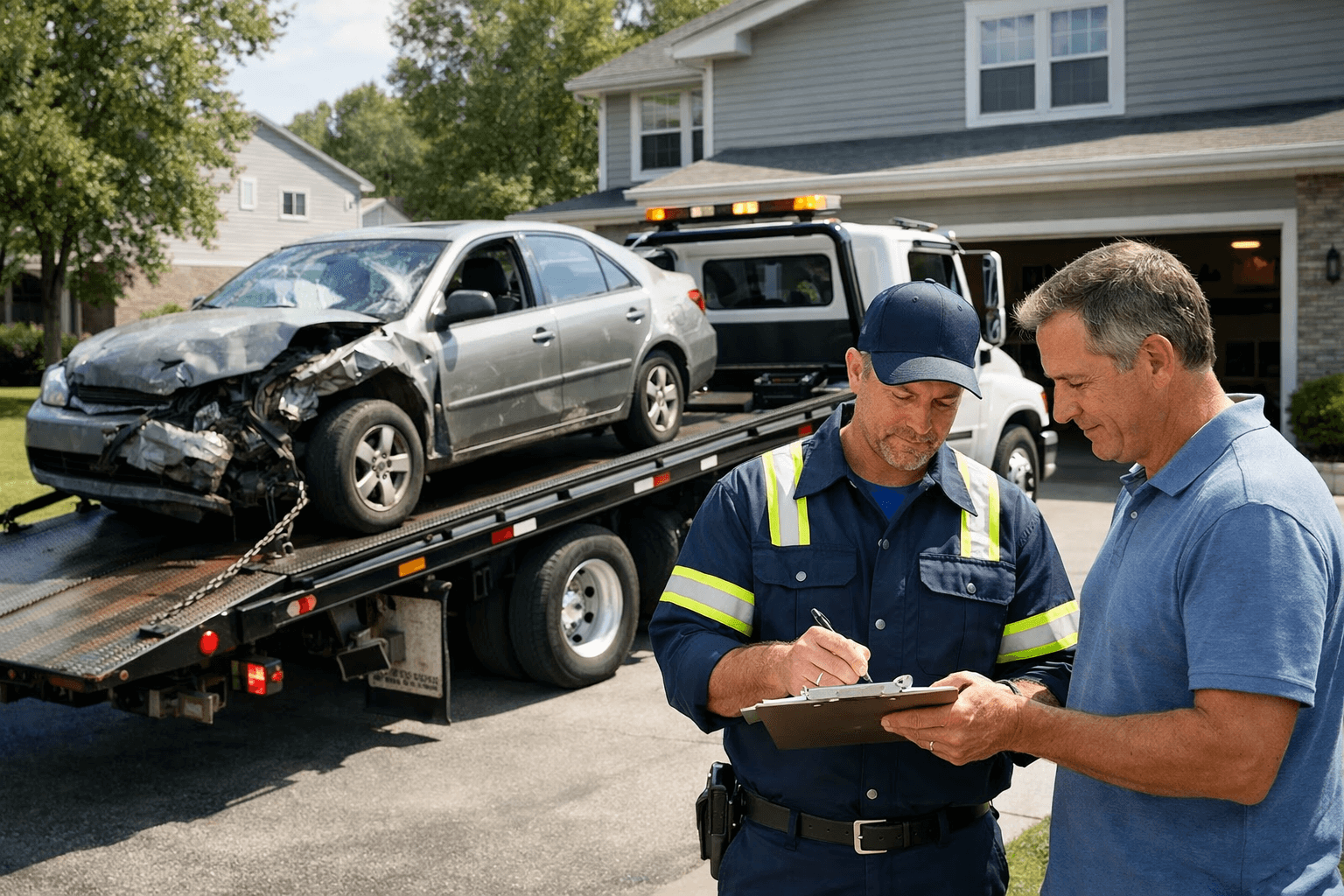
When the tow truck arrives, the driver will:
- Verify the vehicle matches the description you provided
- Confirm it’s in the agreed condition
- Check that you have proper documentation
- Remove the vehicle using a flatbed truck or tow dolly
The inspection takes 5-10 minutes. If everything matches your description, the process continues. If the vehicle is significantly different from what you described (for example, you said it runs but the engine is actually seized), the buyer may adjust the offer downward or decline to complete the purchase.
Owner preparation checklist:
- Remove personal belongings from glove box, trunk, and under seats
- Remove license plates (required in most regions)
- Cancel insurance coverage after transfer
- Return or keep one set of keys
6. Payment
Payment typically happens in one of three ways:
Cash on pickup (most common): The tow truck driver pays you immediately when loading the vehicle. This is the fastest method but means carrying larger amounts of cash.
Check on pickup: Some companies provide a check at pickup. You can deposit it the same day, though funds may take 3-5 business days to clear.
Electronic transfer: Larger operations may offer bank transfer, PayPal, or mobile payment apps. Payment usually arrives within 24-48 hours of vehicle pickup.
Red flag warning: Never accept “payment pending inspection at our yard” unless you’re working with a well-established company with verified reviews. This creates opportunity for price negotiation after you no longer have the vehicle.
7. Complete Legal Transfer
After the sale, you must notify the appropriate government agency to release yourself from liability:
- US: Submit a notice of transfer and release of liability to your state DMV within 5-10 days
- UK: Complete the V5C logbook and notify DVLA online
- Canada: File transfer paperwork with your provincial motor vehicle department
- Australia: Lodge notice of disposal with your state’s roads authority
- Pakistan: Visit excise and taxation office to transfer ownership
This step protects you from tickets, parking fines, or liability if the vehicle is later involved in an incident before being scrapped. Keep copies of all transfer documents for at least one year.
Documents Needed for Junk Car Removal
The single most important document is proof of ownership—typically the vehicle title or registration certificate. Here’s what you’ll need in different situations:
Standard sale with title:
- Original vehicle title, signed and dated
- Government-issued photo ID matching the name on title
- Bill of sale (provided by buyer)
Sale without title:
- Notarized bill of sale
- Valid photo ID
- Vehicle registration or proof of ownership
- Affidavit of ownership (some jurisdictions)
- Significantly reduced payment
Jointly owned vehicle:
- Both owners’ signatures on title
- Both owners’ identification
- Or notarized permission from co-owner
Inherited vehicle:
- Death certificate
- Probate documents or affidavit of heirship
- Court order transferring ownership (if applicable)
- Your identification
Lienholder release: If there’s still a loan on the vehicle, you need written permission from the lender to sell it. Most lenders won’t release a lien on a junk car unless the loan is paid in full, making this situation uncommon.
How Much Is a Junk Car Worth?
Junk car values typically range from $100 to $500, though some vehicles fetch more based on specific factors. Here’s how buyers calculate offers:
Primary Value Factors
1. Weight and scrap metal prices Your car’s weight in steel, aluminum, and other metals forms the baseline value. A typical sedan weighs 3,000-3,500 pounds. With scrap steel at $150-$200 per ton, the raw metal is worth $225-$350. Buyers pay you roughly 40-60% of scrap value, keeping the rest for processing, transportation, and profit.
2. Catalytic converter value These emissions control devices contain precious metals—platinum, palladium, and rhodium. Depending on the vehicle make and model, a catalytic converter alone can be worth $50-$500. Trucks and luxury vehicles often have more valuable converters.
3. Salvageable parts Engines, transmissions, doors, electronics, and other components that can be resold add value. A running engine might add $100-$300 to your offer. Late-model vehicles with in-demand parts command higher prices.
4. Vehicle condition
- Doesn’t run: Base scrap value only
- Runs and drives: 20-50% premium over scrap
- Minimal body damage: Higher parts resale value
- Severe damage/fire/flood: Reduced value due to contaminated parts
5. Make and model Popular vehicles with high parts demand (Honda Civic, Toyota Camry, Ford F-150) typically receive better offers than rare or discontinued models. Luxury vehicles may have valuable electronic components.
6. Location Urban areas with multiple competing buyers tend to offer higher prices. Remote locations may receive lower offers due to towing costs. Regional scrap metal prices also vary based on local demand and processing facility proximity.
7. Current market conditions Scrap metal prices fluctuate based on global demand for steel and aluminum. Prices can swing 20-30% throughout the year, affecting your payout.
Realistic Price Examples
- 2005 Honda Accord (runs, minor damage): $300-$450
- 2008 Ford F-150 (doesn’t run, repairable parts): $250-$400
- 1998 Toyota Camry (high mileage, runs): $200-$350
- 2012 Chevrolet Malibu (flood damage): $150-$250
- 1995 sedan (non-running, extensive rust): $100-$175
Getting the best price: Compare multiple offers, be honest about condition, ask if they pay extra for intact catalytic converters, and time your sale when metal prices are higher (typically spring and summer).
What Happens to Your Junk Car After Removal?
Understanding the auto recycling process shows why junk car removal benefits the environment and why buyers pay for scrap vehicles.
The Auto Dismantling Process
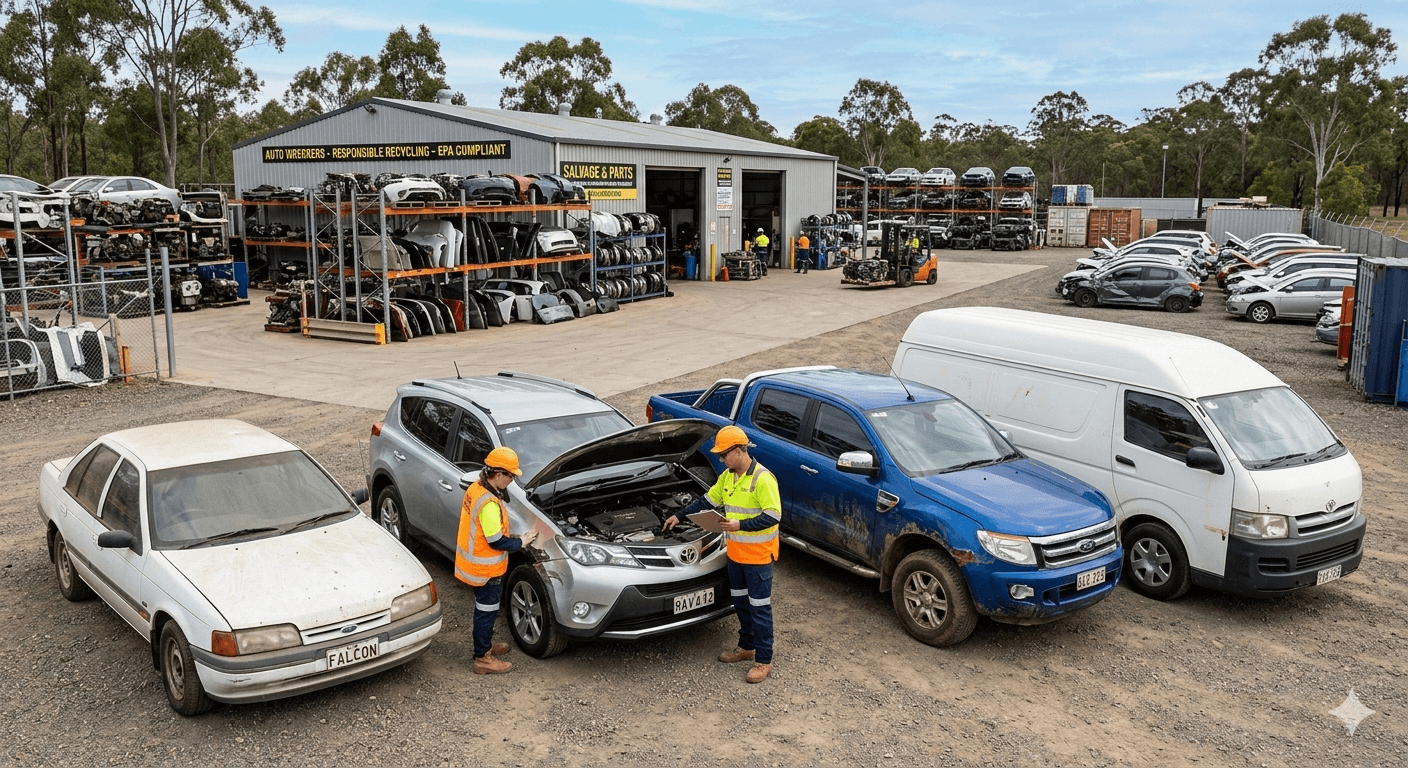
1. Initial processing (Day 1-2) At the salvage yard, workers drain all fluids—motor oil, transmission fluid, coolant, brake fluid, and gasoline. These are collected separately for recycling or proper disposal. The battery is removed and sent for lead recycling. Tires are removed for resale, recycling into rubberized surfaces, or disposal.
2. Parts harvesting (Week 1) Skilled dismantlers remove valuable components:
- Engine and transmission (if functional)
- Doors, hood, trunk, and body panels
- Electronics and infotainment systems
- Seats and interior components
- Catalytic converter
- Alternator, starter, and other mechanical parts
These parts are cleaned, tested, inventoried, and sold to repair shops, individual buyers, or parts wholesalers. This is where dismantlers make significant profit—a used engine might sell for $500-$2,000.
3. Depollution (Week 1-2) Environmental regulations require removing hazardous materials:
- Mercury switches from older vehicles
- Refrigerant from air conditioning systems
- Airbag propellants
- Any remaining fluids
This ensures toxic substances don’t contaminate the environment during crushing and shredding.
4. Crushing and shredding (Week 2-4) After parts removal, the remaining shell is crushed flat to save space, then transported to a metal shredding facility. Industrial shredders tear the vehicle into small pieces—typically fist-sized chunks of metal, plastic, and glass.
5. Material separation and recycling (Week 4+) Advanced separation systems sort materials:
- Ferrous metals (steel): Removed by magnets, melted and reformed into new steel products
- Non-ferrous metals (aluminum, copper): Separated by eddy current and sold to metal refiners
- Plastics: Some types are recycled into new plastic products
- Glass: Ground into aggregate for road construction
- Rubber and foam: Recycled or used as fuel in industrial processes
Approximately 80-85% of a vehicle’s weight is recycled into new products. The remaining 15-20%—called auto shredder residue—consists of mixed materials that are more difficult to recycle and may go to landfills or waste-to-energy facilities.
Environmental Impact
Auto recycling is one of the most successful recycling industries globally:
- Keeps 12-15 million vehicles out of landfills annually in the US alone
- Prevents soil and groundwater contamination from automotive fluids
- Reduces the need to mine new metals, saving energy and reducing emissions
- Each recycled ton of steel saves 2,500 pounds of iron ore, 1,400 pounds of coal, and 120 pounds of limestone
- Proper refrigerant recovery prevents ozone-depleting chemicals from entering the atmosphere
By choosing legitimate junk car removal, you’re participating in this circular economy rather than abandoning a vehicle to deteriorate and leak pollutants.
Free vs Paid Junk Car Removal: When Do You Pay?
Most junk car removal is free—the buyer pays you and provides free towing. However, there are situations where removal might cost you money.
When Junk Car Removal Is Free (Standard)
You receive payment AND free towing when:
- The vehicle has scrap value exceeding towing costs
- You’re selling to an auto recycler or salvage yard
- The vehicle is accessible by tow truck
- You have proper documentation
- You’re in or near an urban area
This covers 90% of junk car removals. The buyer profits from parts and scrap metal, making the service free to you.
When You Might Pay for Removal
1. Extremely remote locations If towing costs exceed the vehicle’s value (rare, rural areas), some companies may charge $50-$150 for removal. Always ask upfront.
2. Inaccessible vehicles Cars stuck in backyards, deep mud, or requiring special equipment might incur $100-$300 in additional charges. Standard tow trucks can’t always retrieve them.
3. Missing documentation Some buyers won’t purchase without a title and may charge a removal-only fee. Others buy without titles but dramatically reduce their offer.
4. Environmental hazards Vehicles with excessive fluids, chemicals, or biohazards might require specialized cleanup before removal, potentially costing $200-$500.
5. Using a towing service instead of a buyer If you hire a standard towing company to move the car to a recycler yourself, you’ll pay $75-$200 for the tow. This rarely makes financial sense unless the recycler is offering an exceptionally high price.
General rule: If a company asks you to pay for junk car removal, get quotes from competitors. Free towing with payment is standard industry practice.
How Long Does Junk Car Removal Take?
The complete timeline depends on your location and the company’s schedule:
Initial quote: Instant to 15 minutes (online or phone)
Offer acceptance to pickup scheduling: Same day
Pickup arrival:
- Major cities: Same day to 48 hours
- Suburban areas: 1-3 business days
- Rural locations: 3-7 days
- Remote areas: 1-2 weeks
Actual pickup process: 15-30 minutes once the tow truck arrives
Payment: Immediate (cash or check) or 24-48 hours (electronic transfer)
Total time from first contact to cash in hand: 1-3 days for most people in populated areas
Same-day junk car removal is widely available in cities and suburbs if you call in the morning. The company dispatches a driver during their daily route, often picking up multiple vehicles in one area.
Factors that speed up the process:
- Having title and ID ready
- Accurate vehicle description
- Flexible pickup timing
- Easy vehicle access
What slows things down:
- Needing to request a duplicate title (2-6 weeks in most places)
- Remote locations requiring special routing
- Vehicle stuck or needing special equipment
- Scheduling conflicts
How to Choose a Legitimate Junk Car Removal Company
The junk car industry includes many reputable businesses but also attracts scammers and unethical operators. Protect yourself by vetting companies carefully.
Verification Checklist
1. Business licensing Legitimate auto recyclers must be licensed in most jurisdictions. In the US, check that they’re a licensed dismantler or recycler with your state’s environmental or motor vehicle agency. In the UK, they should be an Authorized Treatment Facility (ATF). Ask for their license number and verify it online.
2. Physical location The company should have a verifiable business address, not just a PO box. Look them up on Google Maps to confirm they operate an actual salvage yard or recycling facility.
3. Online reviews and ratings Check Google Reviews, Yelp, Better Business Bureau, or local consumer protection sites. Look for:
- Consistent positive feedback about payment and service
- How they handle complaints
- Whether prices matched quotes
- Professionalism of drivers
Red flags: No online presence, multiple complaints about payment issues, or accusations of bait-and-switch pricing.
4. Clear pricing structure Reputable companies explain how they calculate offers and lock in prices upfront. Be suspicious of vague answers about “needing to inspect it first” without providing a realistic range.
5. Professional communication Legitimate businesses answer calls during normal hours, provide written confirmation of offers, and employ courteous staff. Unprofessional behavior, pressure tactics, or reluctance to put anything in writing signals problems.
6. Proper insurance The towing operation should carry liability insurance covering damage during vehicle loading and transport. Ask about insurance before scheduling pickup.
Environmental Benefits of Junk Car Recycling
Choosing proper junk car removal instead of abandoning a vehicle or using an unlicensed buyer creates significant environmental benefits.
Resource Conservation
Manufacturing a new car from virgin materials requires enormous energy and resources. Recycling the steel from one junk car saves:
- 2,500 pounds of iron ore
- 1,400 pounds of coal
- 120 pounds of limestone
- Enough energy to power a home for 6 months
Every ton of recycled aluminum saves 95% of the energy needed to produce new aluminum from bauxite ore. Since modern vehicles contain 200-300 pounds of aluminum, this impact is substantial.
Pollution Prevention
End-of-life vehicles contain approximately 5-10 gallons of various automotive fluids—motor oil, transmission fluid, coolant, brake fluid, and power steering fluid. If a car deteriorates in a field or junkyard, these fluids seep into soil and groundwater, contaminating drinking water sources.
Licensed auto recyclers drain and properly dispose of or recycle these fluids, preventing:
- Groundwater contamination
- Soil pollution
- Surface water runoff carrying toxins
- Mercury and lead exposure from switches and batteries
Landfill Reduction
Automobiles are bulky and contain materials that don’t decompose. Recycling keeps approximately 12-15 million vehicles per year out of landfills in North America alone. Given that a typical vehicle weighs 3,000-4,000 pounds, this represents over 40 million tons of material diverted from landfills annually.
Air Quality Improvement
Older vehicles often have damaged emissions systems or leak refrigerant. Getting them off roads and properly processed:
- Prevents ozone-depleting chlorofluorocarbons (CFCs) from escaping into the atmosphere
- Removes high-emission vehicles from operation
- Reduces the carbon footprint of manufacturing through material recycling
Supporting the Circular Economy
Auto recycling exemplifies the circular economy—materials continuously cycle back into production rather than following a linear extract-use-dispose pattern. The steel from your junk car might become:
- Rebar for construction
- New automotive parts
- Appliances
- Infrastructure materials
This closed-loop system reduces dependence on mining, lowers manufacturing emissions, and creates economic value from waste.
Frequently Asked Questions
Can I remove a car without a title?
Yes, but with limitations. Many junk car buyers will purchase vehicles without titles, though you’ll receive 30-50% less money. Requirements vary by location—some states prohibit sales without titles while others allow it with additional documentation like a bill of sale, registration, and notarized affidavit of ownership. You’ll need to prove you own the vehicle through other means. If you’ve lost your title, requesting a duplicate from your motor vehicle department (taking 2-6 weeks) typically results in a better payout than selling without one.
Is same-day junk car removal available?
Yes, same-day pickup is common in urban and suburban areas if you call during morning hours. Junk car removal companies often route drivers through specific areas daily, picking up multiple vehicles. Availability depends on current driver schedules and proximity to your location. Rural areas typically require 3-7 days for scheduling. To increase your chances of same-day service, call early, be flexible on timing, and have all documents ready.
Do junkyards pay cash for junk cars?
Most do, though payment methods vary. Cash on pickup is still common, especially with smaller operations and independent buyers. Larger companies increasingly use checks or electronic transfers due to security concerns with drivers carrying significant cash amounts. Clarify payment method when accepting the offer. Cash provides immediate funds, while checks take 3-5 days to clear. Avoid companies that insist on “payment after inspection at our facility”—this creates opportunity for disputes after you’ve surrendered the vehicle.
Can I sell a non-running car?
Absolutely. Non-running vehicles are exactly what junk car removal companies specialize in. The vehicle doesn’t need to start, drive, or even have working brakes. Whether it has a seized engine, blown transmission, or hasn’t run in years, it still has value from scrap metal and salvageable parts. Free towing is included precisely because buyers expect many vehicles won’t be operational. The condition affects price, but non-running status alone doesn’t disqualify a sale.
What if my car is stuck or not easily accessible?
Standard tow trucks can retrieve most vehicles from driveways, streets, or parking lots. However, cars stuck in backyards, deep grass, mud, or behind obstacles may require special equipment like a winch truck or flatbed with off-road capability. Some companies handle this at no extra charge; others may add $50-$200 for difficult recoveries. Always mention access issues when requesting quotes so the company can dispatch appropriate equipment and provide accurate pricing.
Do I need to remove license plates before pickup?
Requirements vary by jurisdiction. In most US states, you must remove plates and return them to the DMV or keep them for transfer to another vehicle. Some states allow plates to stay with the vehicle. In the UK, you must remove and destroy plates or transfer them. In Canada and Australia, requirements vary by province or state. Ask your buyer what’s required in your area, and check with your motor vehicle department to avoid fines or renewal notices for a vehicle you no longer own.
What happens if the price changes at pickup?
Legitimate companies lock in prices based on your vehicle description and only adjust downward if you misrepresented the condition. For example, if you said the car runs but the engine is seized, they may reduce the offer. However, you’re not obligated to accept. If a company tries to significantly reduce the agreed price without legitimate reason, refuse the sale and report them to consumer protection authorities. Always get the offer in writing via email or text to document the agreed price.
Are junk car removal companies environmentally responsible?
Licensed auto recyclers must follow environmental regulations for fluid disposal, parts handling, and material recycling. In the US, they’re regulated by the EPA and state environmental agencies. UK Authorized Treatment Facilities meet European end-of-life vehicle standards. However, unlicensed operators may dump fluids improperly or fail to recycle materials. Always verify licensing to ensure environmental compliance. Choosing licensed recyclers ensures your vehicle is processed responsibly rather than becoming an environmental hazard.
Conclusion
Junk car removal transforms an unwanted vehicle into immediate cash while supporting environmental sustainability. The process is straightforward: request quotes, accept the best offer, prepare your title and ID, schedule free towing, and receive payment—all typically within 1-3 days. By choosing licensed auto recyclers, you ensure proper fluid disposal, maximize parts reuse, and keep tons of metal out of landfills. Whether your car is damaged, non-running, or simply too old to repair cost-effectively, junk car removal offers a hassle-free solution. Compare multiple offers, verify company credentials, and complete ownership transfer paperwork to protect yourself legally while getting the best value for your vehicle.