What Are the Local Regulations for Car Disposal in Australia?
Disposing of a motor vehicle in Australia is not as simple as leaving it on the kerb or handing it to the first buyer who comes along. Every state and territory has regulations governing how a vehicle must legally change hands or be taken out of service, and separate environmental laws dictate how its hazardous materials must be managed. Understanding these rules protects you from fines, ongoing registration liability, and potential environmental penalties.
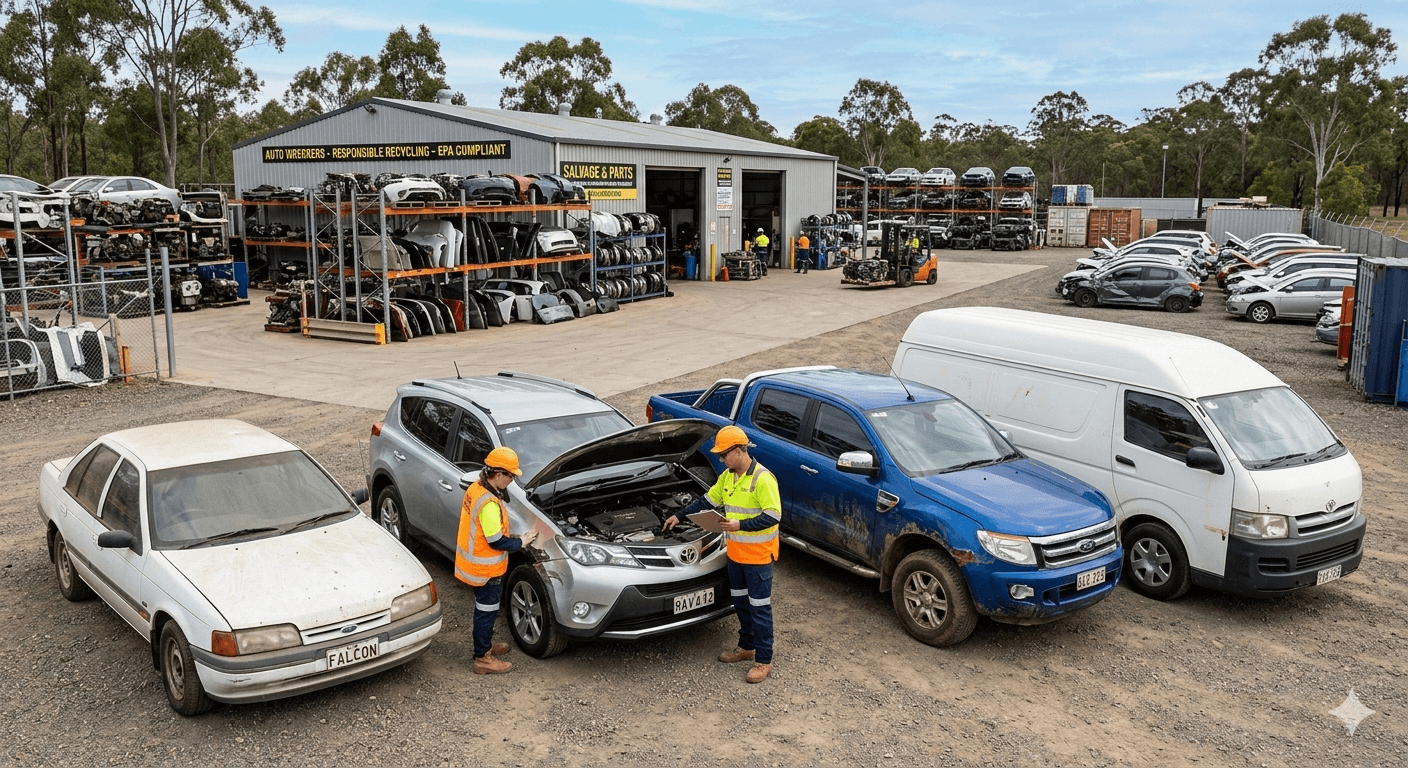
Using a licensed car wrecker or authorised recycler is the safest and most legally sound way to dispose of an end-of-life vehicle (ELV) in Australia. A compliant service such as Cars Wreckers manages the entire process — from the initial paperwork through to notifying your state road authority — so you meet every legal obligation without the hassle.
Legal Requirements to Dispose of a Car in Australia
Whether you are selling a vehicle for scrap, recycling a damaged car, or simply clearing an old wreck from your property, Australian law imposes several requirements that every vehicle owner must satisfy before disposal is considered complete.
Proof of Ownership
Before any licensed wrecker or recycler can legally accept your vehicle, you must demonstrate that you are the registered owner. Acceptable documentation typically includes the vehicle’s certificate of registration, a title document issued by the state road authority, or a completed transfer of ownership form. Without proof of ownership, a wrecker cannot process the vehicle, and you may be exposed to liability if the car is later linked to unpaid debts or traffic offences.
Identification Requirements
Licensed operators are required by law to verify the identity of the person surrendering a vehicle. A current Australian driver’s licence is the most widely accepted form of ID, though a passport or proof-of-age card is also generally acceptable. This requirement exists to prevent the receipt of stolen vehicles and is enforced across all states.
Vehicle Deregistration
Deregistration removes the vehicle from the state’s register of motor vehicles. Until deregistration is confirmed, the registered owner remains liable for any infringements, unpaid tolls, or third-party insurance obligations. In most states, you can apply for a deregistration refund if registration fees were paid in advance, making early action financially beneficial as well as legally prudent.
Number Plate Return
In several Australian states and territories, number plates must be returned to the state road authority upon deregistration. Failure to do so can result in the plates being used fraudulently on another vehicle. In some jurisdictions, the wrecker can assist with returning the plates on your behalf.
Notification to the Transport Authority
Most state road authorities operate an online or postal notification system that allows the seller or disposer of a vehicle to record the change of ownership or removal from service. This notification is critical: without it, infringements incurred after you have given up the vehicle can still be directed to you as the listed owner. A licensed disposal service will typically complete this notification as part of its standard process and provide you with written confirmation for your records.
Do You Need to Deregister a Car Before Scrapping It?
This is one of the most common questions Australian motorists ask, and the short answer is: technically yes, though the practical mechanics depend on your state and your choice of disposal service.
In all Australian jurisdictions, a vehicle must be formally removed from the register before it can lawfully be crushed, dismantled, or otherwise destroyed. However, the timing of deregistration relative to the physical disposal of the vehicle differs from state to state. Some road authorities allow deregistration to occur concurrently with the transfer to a licensed recycler, meaning the wrecker’s acceptance of the vehicle triggers the deregistration process.
If you surrender a car to a third party without completing deregistration or the transfer of ownership process, you remain the registered operator in the eyes of the law. Parking fines, speed camera notices, unpaid tolls, and even serious traffic infringements issued to that vehicle will be sent to your address. In cases where the vehicle is later abandoned by an unscrupulous operator, the clean-up costs can be billed to the last registered owner.
Many licensed car wreckers will handle the deregistration process on your behalf, or at minimum walk you through the steps required in your state. When you book a removal through Cars Wreckers, the team advises you on exactly what documentation to prepare and notifies the relevant state road authority once the vehicle has been collected.
Environmental Regulations for Car Disposal
Australia has a robust framework of environmental legislation governing how vehicles must be recycled. These laws reflect the serious harm that automotive fluids, heavy metals, and other toxic substances can cause if they enter soil, waterways, or stormwater systems.
Hazardous Fluid Removal
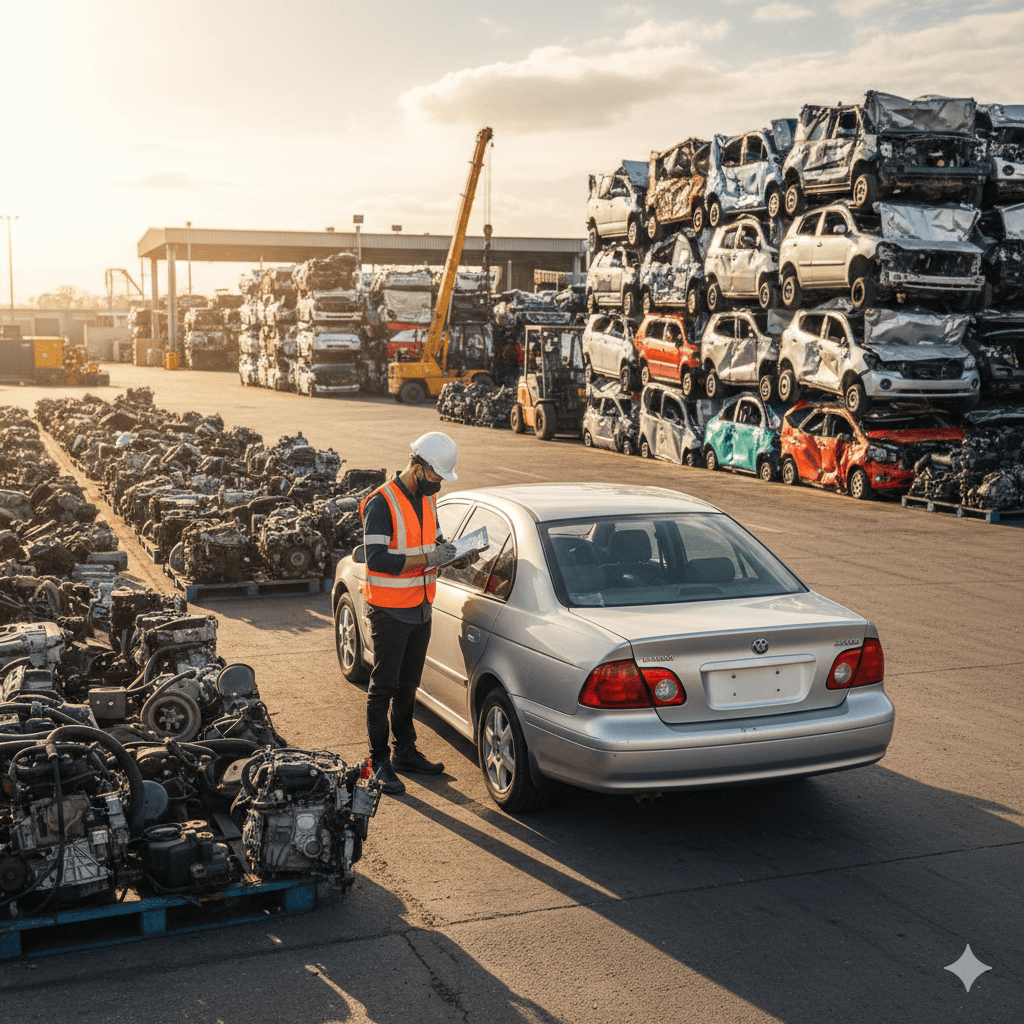
A modern motor vehicle contains numerous hazardous fluids, including engine oil, coolant, brake fluid, transmission fluid, and air-conditioning refrigerant. Australian environmental protection laws — including state-based environment protection acts and the national framework for chemical management — require that these fluids be drained and disposed of in accordance with strict protocols. Licensed dismantlers use purpose-built equipment to capture fluids without spillage and engage with accredited waste oil collectors for proper downstream disposal.
Battery Disposal
Automotive lead-acid batteries are classified as hazardous waste in all Australian states and cannot legally be sent to landfill. Licensed auto recyclers are required to store and transport batteries in sealed, leak-proof containers and remit them to approved battery recyclers. Lithium-ion batteries from hybrid and electric vehicles attract additional regulatory attention, with specific guidelines issued by state environment protection authorities regarding their safe handling.
Tyre Recycling
Australia’s Product Stewardship (Tyres) Act 2014 establishes obligations for the management of waste tyres. Under this framework, all participants in the tyre supply chain — including wreckers who remove tyres from end-of-life vehicles — must ensure tyres are directed to authorised recycling or recovery operations. Illegal stockpiling of tyres is an offence, and significant fines apply.
Metal Recycling Compliance
State-based second-hand dealer legislation imposes record-keeping requirements on scrap metal dealers, including details of the person from whom the metal was acquired and the vehicle from which it was sourced. This regime helps prevent the trafficking of stolen vehicles and components. Compliant wreckers maintain detailed records that satisfy these obligations.
Is It Illegal to Abandon a Vehicle in Australia?
Yes — abandoning a motor vehicle on public land, a roadway, private property, or a nature reserve is illegal in every Australian state and territory. It is also environmentally harmful and a burden on local councils and taxpayers.
Local councils are typically the first point of enforcement. Under local government acts and road transport legislation, councils can issue infringement notices to the registered owner, impose impoundment fees, and recover the cost of towing and storage. Depending on the jurisdiction, penalties can range from several hundred dollars to several thousand dollars. In New South Wales, for example, the Roads Act authorises the removal of abandoned vehicles and the on-charging of all associated costs to the registered owner.
An abandoned vehicle also does not simply sit inertly. Fuel, oil, and coolant leach into surrounding soil and potentially into groundwater. Deteriorating batteries can release sulphuric acid. Under state environment protection legislation, the registered owner can be held liable for the cost of remediation if contamination is traced back to an abandoned car.
There is simply no reason to abandon a vehicle in Australia. Licensed car disposal services will collect end-of-life vehicles free of charge, and many will pay you for the vehicle’s scrap value depending on its condition, make, and model.
Selling a Scrap Car to Licensed Wreckers
Selling your vehicle to a licensed car wrecker is the most legally straightforward way to dispose of an end-of-life vehicle. The process is governed by both vehicle transfer legislation and second-hand dealer regulations, and a reputable wrecker ensures every step is completed correctly.
The sale of a vehicle — even a non-driveable scrap car — constitutes a legal transfer of ownership that must be documented. In most states, this involves completing a vehicle transfer form issued by the state road authority or a statutory declaration in specified circumstances. Both parties must sign the relevant documentation, and the wrecker is responsible for lodging the transfer with the appropriate authority within a prescribed timeframe.
You are legally entitled to a receipt for any vehicle sold, and a reputable wrecker will provide one without prompting. This receipt should detail the date of sale, the vehicle identification number (VIN), the agreed payment amount, and the identity of the purchasing operator. Retain this receipt — it is your evidence that you have divested yourself of the vehicle and that any subsequent liabilities attach to the new owner, not to you.
Cars Wreckers manages the complete documentation process. We collect the required vehicle and identity details, issue you with a receipt of purchase, and notify the relevant state road authority once the vehicle has been collected. You do not need to attend a transport authority office or navigate the online systems yourself.
State-Based Differences in Car Disposal Rules
While the core principles are consistent across Australia — proof of ownership, deregistration, environmental compliance, and transfer notification — the specific processes and timelines vary by state.
In New South Wales, Transport for NSW manages vehicle registrations and owners can notify a change of ownership online via Service NSW. In Victoria, the Department of Transport and Planning requires written notification of disposal through an online portal. Queensland’s Department of Transport and Main Roads requires a notice of disposal within five business days of the transaction. In Western Australia, the Department of Transport requires a vehicle licence to be cancelled before disposal. South Australia requires plates to be surrendered upon deregistration, and a refund may be available for unused registration. Tasmania, the Northern Territory, and the ACT operate similar systems with transport authorities accessible online or in person.
A compliant car removal service operating Australia-wide will be familiar with the specific requirements of each jurisdiction and can advise you accordingly.
Why Choose a Licensed Car Disposal Service
Not all car removal services are created equal. Choosing an unlicensed operator may seem convenient in the short term, but it exposes you to significant legal and financial risk.
Licensed dismantlers hold current registrations or permits issued by state authorities that authorise them to receive, dismantle, and recycle vehicles. These licences are subject to periodic renewal and compliance inspections. Licensed operators also invest in the equipment, training, and waste management infrastructure needed to meet environmental obligations — and they provide complete, legally valid documentation, including a receipt of purchase, evidence of transfer notification, and confirmation of deregistration.
Australia’s automotive recycling industry reuses or recovers the vast majority of material in a typical end-of-life vehicle. Structural steel, aluminium, copper wiring, and glass all enter secondary material streams. Choosing a licensed auto recycler is a genuinely sustainable choice that keeps hazardous materials out of the environment and valuable materials in circulation.
Frequently Asked Questions
What documents are needed to scrap a car in Australia?
You will typically need your certificate of registration or proof of ownership, a current government-issued photo ID such as a driver’s licence, and in most states a completed transfer of ownership or disposal notification form. Your licensed wrecker will advise on the specific requirements for your state.
Can I scrap a car without registration?
Yes. An unregistered vehicle can still be sold to a licensed wrecker. The key requirement is proof of ownership, not current registration. Cars Wreckers accepts vehicles in any condition, with free car removal included.
Do I need to notify the transport department when I scrap my car?
Yes. Notification to your state road authority is a legal requirement in all Australian jurisdictions. Without it, you remain the listed owner and can receive infringement notices associated with the vehicle. A reputable car disposal service will lodge this notification on your behalf.
Is car disposal regulated in Australia?
Yes, comprehensively. It is regulated under state road transport legislation, state environment protection laws, the national Product Stewardship (Tyres) Act 2014, and state second-hand dealer legislation covering metal recycling and record-keeping.
Are car wreckers licensed in Australia?
Reputable car wreckers are required to hold licences or permits issued by relevant state authorities. These may include a motor vehicle recycler licence, a second-hand dealer permit, and environmental authorisations. Always ask a wrecker for evidence of their current licences before surrendering your vehicle.
Is it illegal to abandon a car in Australia?
Yes, in every state and territory. Penalties include substantial fines, impoundment costs, and potential liability for environmental remediation. Using a free car removal service is the straightforward and legal alternative.
Conclusion
Disposing of a car in Australia carries real legal obligations — from deregistering the vehicle and notifying your state road authority to ensuring hazardous materials are handled in accordance with environmental law. Cutting corners by using unlicensed operators or abandoning a vehicle exposes you to fines, ongoing liability, and potential remediation costs. The simplest and safest solution is to use a licensed car disposal service. Cars Wreckers handles every step of the process — paperwork, transport authority notification, and compliant recycling — at no cost to you. Get a free instant quote today and dispose of your vehicle legally, responsibly, and effortlessly.