What Types of Vehicles Can Be Disposed Of?
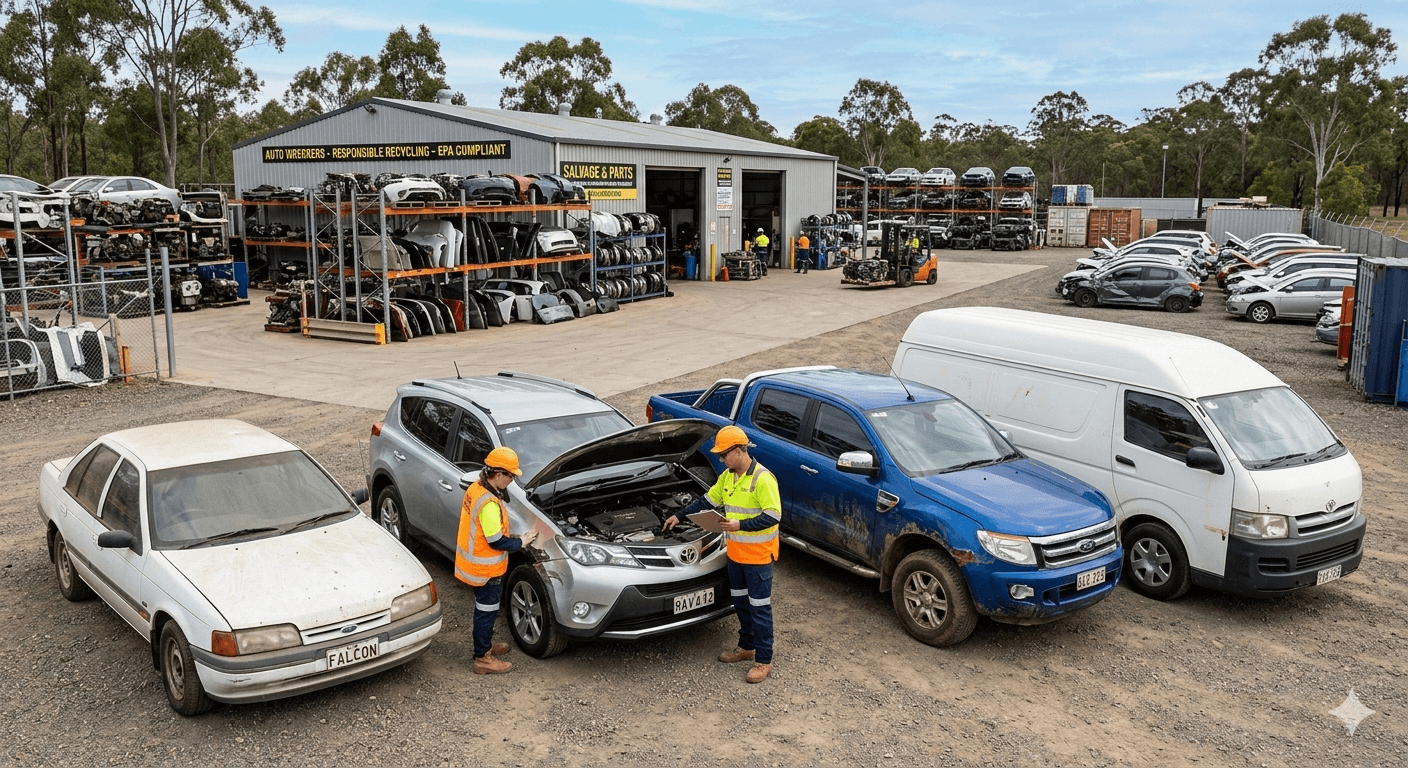
When most people think about car wreckers, they picture a rusty old sedan being crushed for scrap metal. But the reality is, modern car wrecking operations like Cars Wreckers accept a wide range of vehicles — and not just ones that have given up the ghost. Whether you have a flood-damaged ute, a written-off SUV, or a van that hasn’t run in years, there’s a good chance a professional car wrecker will take it off your hands.
Getting rid of an unwanted vehicle through a wrecker comes with real benefits. You can receive cash for cars that would otherwise sit in your driveway collecting rust, enjoy free vehicle removal from your property, and know your old car is being recycled in an environmentally responsible way.
Vehicles Commonly Accepted by Car Wreckers
Old and Unwanted Cars
If you’ve got a car that’s become more trouble than it’s worth — one that spends more time at the mechanic than on the road — a wrecker is your best exit strategy. Old vehicles that are no longer reliable, too costly to repair, or simply unwanted are among the most commonly accepted cars at wrecking yards across Australia. Even if the car still technically runs, if it’s come to the end of its practical life, it qualifies as an end-of-life vehicle (ELV) and can be recycled for parts and metal.
Accident-Damaged Vehicles
Been in a prang? If your car has been written off by your insurer after a collision, or if the repair cost exceeds the vehicle’s value, a car wrecker is often the most sensible next step. Insurance write-offs are readily accepted because even heavily damaged vehicles contain hundreds of usable parts — from engines and gearboxes to body panels and electronics.
Non-Running or Broken Cars
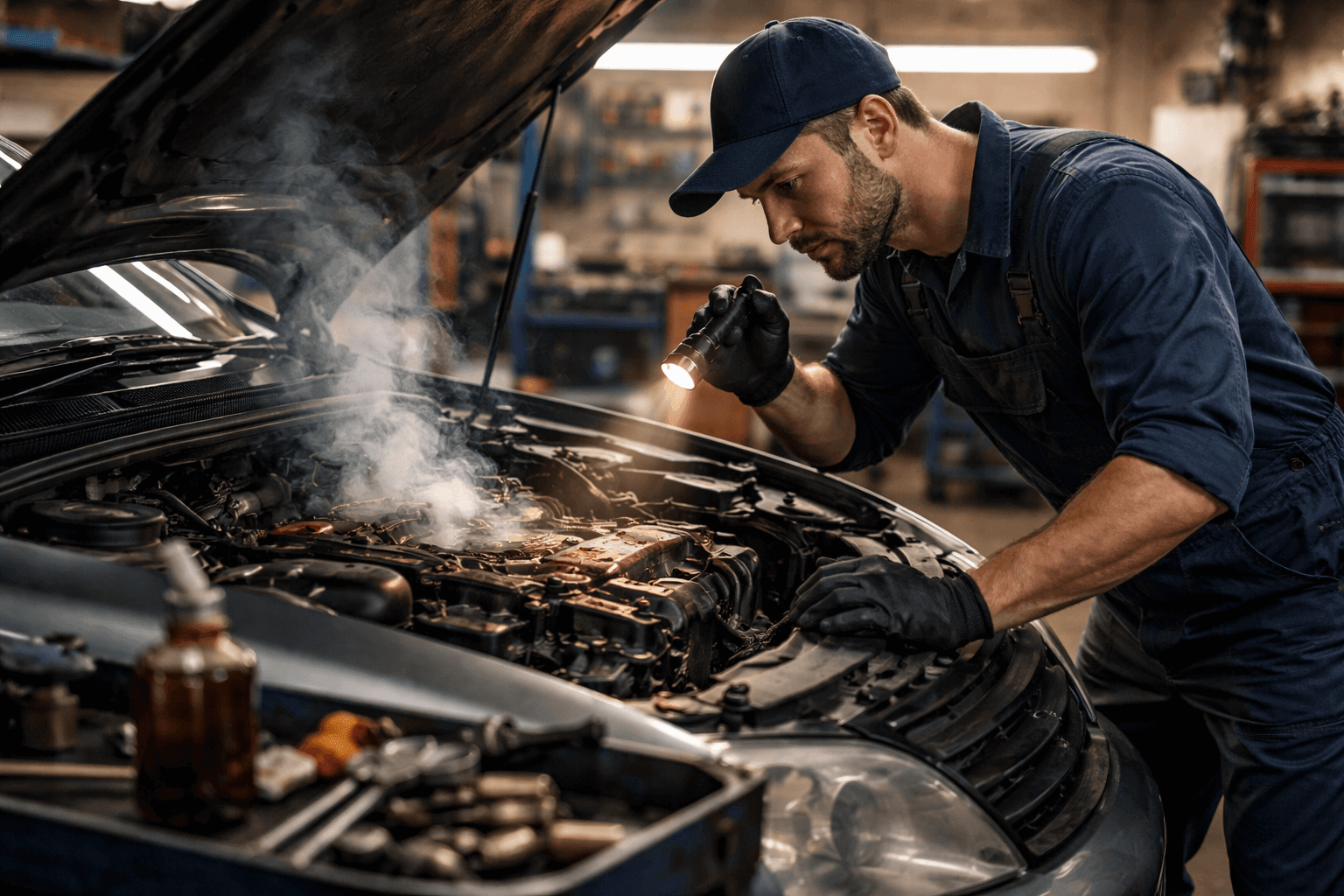
A vehicle that won’t start, has a seized engine, or has suffered a catastrophic mechanical failure is still worth something to a professional auto dismantler. Wreckers don’t need your car to be road-worthy — they need it to have salvageable components or recyclable metal. Scrap car removal is the simplest way to have it collected and recycled without the hassle of trying to sell it privately.
Scrap and End-of-Life Vehicles
Some vehicles are simply too old or too far gone to be practical. These are genuine scrap vehicles — cars with no working systems left, rusted-out bodies, or stripped-down frames. Car wreckers accept these specifically for metal recycling. Steel, aluminium, copper, and other metals recovered from scrap vehicles are processed and fed back into Australian manufacturing supply chains.
Commercial Vehicles
Car wreckers don’t just deal in passenger cars. Commercial vehicles — including vans, utes, light trucks, and small fleet vehicles — are accepted for dismantling and recycling. Commercial vehicles often contain high-value drivetrain components, meaning you may receive a competitive cash offer even for a heavily worn work vehicle.
4WDs and SUVs
Four-wheel drives and SUVs are in high demand at wrecking yards due to their large engines, durable parts, and widespread ownership in Australia. Whether your 4WD has suffered off-road damage, a mechanical blowout, or simply reached the end of its service life, it’s highly likely a wrecker will accept it — and often at a solid price.
Flood-Damaged Vehicles
Flood events are a reality in many parts of Australia. Flood-damaged cars present significant safety and reliability risks, and in many cases are written off by insurers. However, they’re still valuable to wreckers. Many components — particularly those above the waterline — can be inspected, tested, and resold as quality used parts. Metals are also recovered and recycled regardless of water damage.
Vehicles That May Still Have Value for Parts
Even a vehicle that looks completely worthless on the outside can be a goldmine for a skilled auto dismantler. Here’s what wreckers look for:
- Engines and gearboxes — high-value components that can be reconditioned and resold
- Body panels, bonnets, and doors — popular with owners repairing similar models
- Suspension and steering components — commonly needed for repairs
- Electrical and electronic systems — sensors, ECUs, and wiring harnesses
- Wheels, tyres, and trim — often in usable condition even on older vehicles
- Glass — windscreens and windows are frequently salvaged
Why Car Wreckers Accept So Many Vehicle Types
The reason wreckers can say yes to so many vehicles comes down to the economics and environmental logic of automotive recycling.
Metal recycling is highly valuable.
A typical car contains around 800–900kg of steel, along with aluminium, copper, and other metals. Recycling these materials reduces the need for raw extraction and significantly lowers industrial carbon emissions.
Used parts reduce repair costs.
Australians save thousands of dollars every year by sourcing quality second-hand parts through wreckers, rather than paying dealer prices for new components.
Responsible disposal reduces landfill.
Vehicles contain hazardous materials — oil, brake fluid, coolant, refrigerants — that need to be safely drained and disposed of. Licensed wreckers handle this properly, keeping harmful substances out of the environment.
It supports a circular economy.
Every component salvaged from a wreck reduces manufacturing demand somewhere in the supply chain. Vehicle recycling Australia-wide is an essential part of sustainable resource management.
How the Vehicle Disposal Process Works
Step 1 — Contact us: Reach out with details about your vehicle — make, model, year, condition, and location.
Step 2 — Get a quote: We assess the vehicle’s value and provide a cash offer.
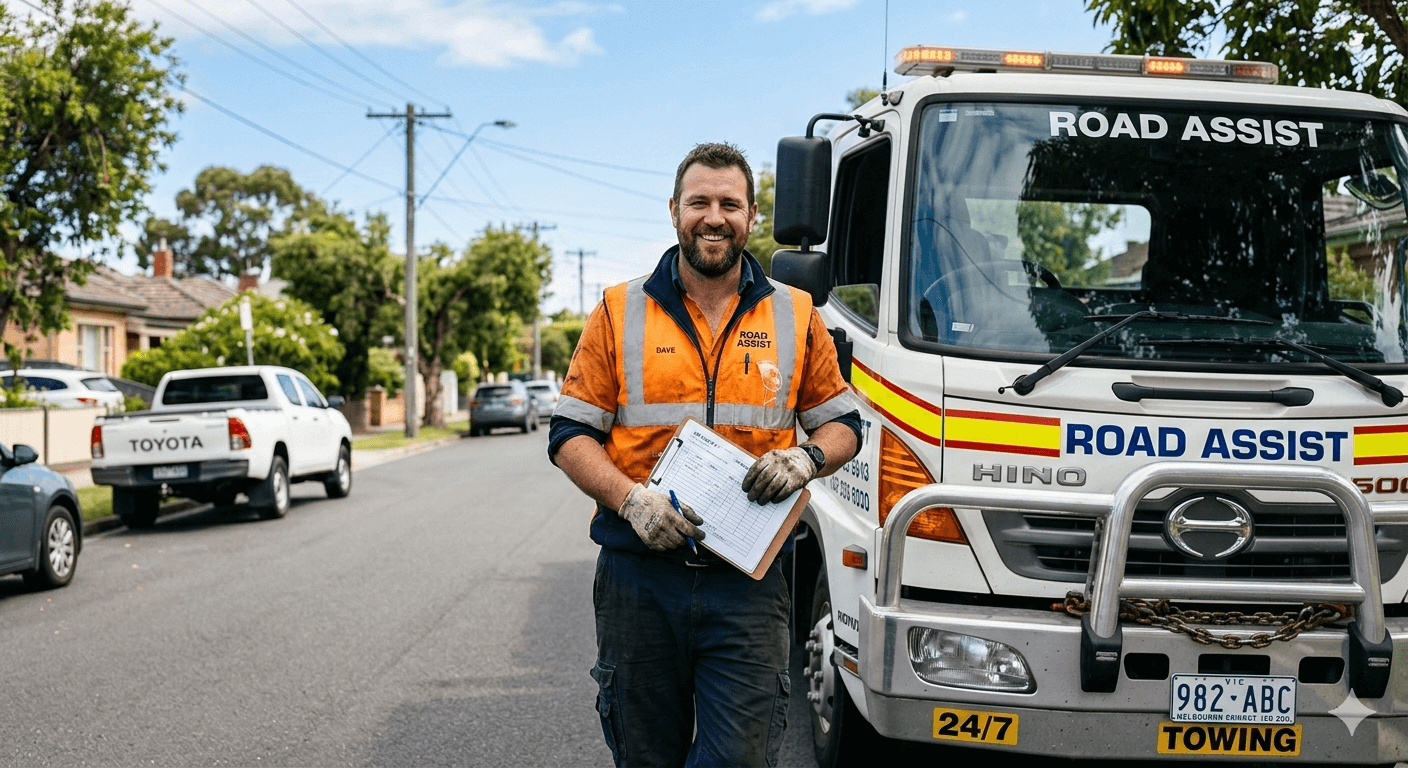
Step 3 — Schedule pickup: Agree on a time that suits you. Free vehicle removal means no cost to get your car collected.
Step 4 — Vehicle collection: Our team arrives, completes the paperwork, hands over your payment, and loads the vehicle.
Step 5 — Recycling and dismantling: Your vehicle is professionally dismantled. Usable parts are catalogued for resale. Hazardous fluids are safely removed. Remaining metals are sent for recycling.
Can You Dispose of Vehicles Without Registration?
Absolutely. Many of the vehicles that come through our gates are unregistered — and that’s perfectly fine. Car wreckers are focused on a vehicle’s intrinsic value, whether that’s in its parts, its metal, or both. You’ll just need to provide proof of ownership so we can process the transfer correctly. The same applies to vehicles with no roadworthy certificate. If it can’t be driven, we’ll come to you.
Why Choose Cars Wreckers for Vehicle Disposal
- Experienced auto dismantlers who assess your vehicle accurately and offer fair market value
- Environmentally responsible practices, including safe removal of all hazardous fluids
- Fast vehicle removal — often same-day or next-day pickup available
- All vehicle types accepted including cars, vans, utes, 4WDs, SUVs, and light commercials
- No hidden fees — the price we quote is the price you receive
- Paperwork handled for you
- Committed to recycling as much of every vehicle as possible
Frequently Asked Questions
What vehicles do car wreckers accept?
Car wreckers accept old and unwanted cars, accident-damaged vehicles, non-running cars, scrap and end-of-life vehicles, commercial vans and utes, 4WDs, SUVs, and flood-damaged vehicles. In most cases, condition matters less than whether the vehicle has recyclable metal or salvageable parts.
Can I dispose of a non-running car?
Yes. A car that won’t start or can’t be driven is still valuable to a wrecker for its parts and scrap metal. Cars Wreckers offers free towing and collection, so the vehicle doesn’t need to be roadworthy.
Do wreckers accept accident-damaged vehicles?
Definitely. Insurance write-offs and accident-damaged cars are regularly accepted. Even badly damaged vehicles contain components that can be salvaged and resold.
Can I sell an unregistered car to a wrecker?
Yes. Wreckers don’t require vehicles to be registered. You’ll typically need proof of ownership, but lack of registration is not an issue.
Are commercial vehicles accepted?
Yes. Vans, utes, and light trucks are accepted and often contain valuable drivetrain and body components, so you may receive a competitive offer.
Is vehicle recycling environmentally friendly?
Yes. Professional vehicle recycling prevents hazardous fluids from contaminating the environment, reduces demand for raw materials, and diverts substantial amounts of steel and other metals away from landfill.
How do I get a quote for my vehicle?
Contact Cars Wreckers with your vehicle’s make, model, year, and condition. We’ll provide a free, no-obligation cash quote and arrange collection at a time that suits you.
Conclusion
No matter what condition your vehicle is in, there’s a good chance Cars Wreckers can take it off your hands. From old unwanted cars and insurance write-offs to flood-damaged 4WDs and unregistered commercial vehicles, professional car wreckers accept a far wider range of vehicles than most people realise. You get free removal, a fair cash payment, and the peace of mind that your vehicle is being recycled responsibly. Don’t let an unwanted car take up space or lose value sitting in your driveway. Contact Cars Wreckers today for a free, no-obligation quote and get rid of it the smart way.