
How Can I Ensure My Car Disposal Is Environmentally Friendly?
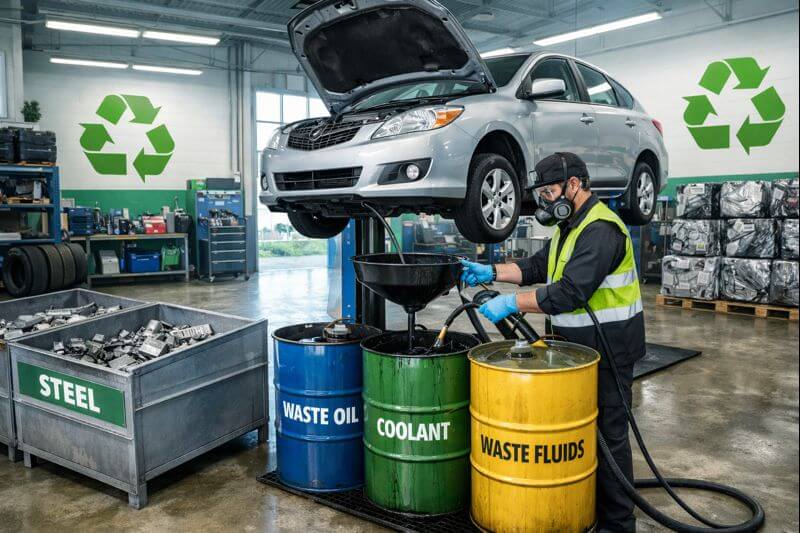
Every year, millions of vehicles reach the end of their road life. When your car finally stops being worth repairing, how you dispose of it matters more than you might think. An improperly scrapped vehicle can leak toxic fluids into groundwater, release greenhouse gases, and waste valuable materials that could be recycled. On the flip side, responsible car disposal can recover up to 95% of a vehicle’s materials, prevent environmental contamination, and support a circular economy.
If you’re wondering how to dispose of your old car without harming the planet, you’re asking the right question. This guide walks you through everything you need to know about environmentally friendly car disposal, from understanding what happens during the recycling process to choosing a certified facility that prioritizes sustainability.
What Makes Car Disposal Environmentally Friendly?
Environmentally friendly car disposal goes beyond simply getting rid of an unwanted vehicle. It’s a systematic approach that prioritizes three key principles:
Resource recovery: Extracting and reusing as much material as possible, including metals, plastics, glass, and rubber. Modern vehicles contain approximately 65% iron and steel, 10% aluminum, and significant amounts of copper, zinc, and precious metals. When these materials are recovered properly, they reduce the need for virgin resource extraction.
Hazardous waste management: Cars contain numerous substances that can poison ecosystems if released. Motor oil, transmission fluid, brake fluid, antifreeze, battery acid, refrigerants, and mercury switches all require specialized handling. An eco-friendly disposal process safely captures and processes these materials according to environmental regulations.
Carbon footprint reduction: Recycling automotive materials requires significantly less energy than producing new ones. For example, recycling steel uses about 60% less energy than creating steel from iron ore, while recycled aluminum saves up to 95% of the energy needed for primary production.
The difference between environmentally responsible disposal and simply “getting rid of a car” lies in whether these principles are followed throughout the entire process.
Step-by-Step Guide to Eco-Friendly Car Disposal
Prepare Your Vehicle Properly
Before taking your car to a disposal facility, remove all personal belongings and cancel your insurance. However, don’t drain fluids yourself or remove major components. Licensed recyclers have specialized equipment and training to handle hazardous materials safely, and DIY removal often leads to environmental contamination.
Do remove your license plates where required by local regulations, and gather your vehicle title or ownership documents. Keep a record of your car’s VIN (vehicle identification number) for your records.
Research and Choose a Certified Facility
Not all car recyclers operate to the same environmental standards. Look for facilities that hold relevant certifications and licenses. Authorized Treatment Facilities (ATFs) must meet strict environmental criteria, including proper drainage systems, sealed surfaces to prevent soil contamination, and equipment for safely removing and storing hazardous materials.
Ask potential recyclers these questions:
- Are you licensed and certified for vehicle recycling?
- How do you handle hazardous fluids and materials?
- What percentage of the vehicle do you typically recycle?
- Will you provide a Certificate of Destruction?
- Can you explain your depollution process?
Legitimate facilities will answer these questions transparently. If a recycler seems evasive or can’t provide documentation, that’s a red flag.
Understand the Documentation Process
Proper documentation protects both you and the environment. A Certificate of Destruction (or similar document depending on your location) confirms that your vehicle has been processed at an authorized facility. This certificate proves you’re no longer the registered owner and protects you from liability if someone attempts to use the vehicle illegally.
You’ll also need to complete the title transfer process and notify the relevant motor vehicle department that you’ve disposed of the vehicle. This prevents future registration renewals, parking tickets, or tax notices being sent in your name.
Deregister Your Vehicle
Contact your local motor vehicle authority to deregister the car officially. This step is crucial for removing your legal responsibility for the vehicle. Requirements vary by jurisdiction, but typically involve submitting your Certificate of Destruction, proof of identity, and sometimes a small processing fee.
How Certified Car Recyclers Protect the Environment
Understanding what happens inside a professional vehicle recycling facility reveals why choosing the right disposal service matters so much.
The Depollution Process
The first step any certified recycler takes is depollution. Trained technicians systematically remove all hazardous fluids and components:
Fluids extraction: Motor oil, coolant, brake fluid, transmission fluid, power steering fluid, and windshield washer fluid are drained using specialized equipment. Each fluid type is stored separately for proper recycling or disposal. Used motor oil, for instance, can be re-refined into new lubricants or converted into fuel oil.
Battery removal: Car batteries contain lead and sulfuric acid, both highly toxic. Professional recyclers disconnect and remove batteries for specialized recycling. Lead-acid batteries are among the most recycled consumer products, with recycling rates exceeding 99% in many regions.
Refrigerant recovery: Air conditioning systems contain refrigerants that contribute to ozone depletion and climate change if released. Certified technicians use recovery machines to capture these gases, which are then purified and reused or destroyed safely.
Airbag deployment: Undeployed airbags contain explosive charges. Recyclers either deploy them in a controlled manner or remove them for specialized handling.
Mercury switch removal: Older vehicles may contain mercury switches in hood and trunk lights. These tiny components contain enough mercury to contaminate thousands of gallons of water, making their removal critical.
Dismantling and Parts Recovery
After depollution, usable parts are carefully removed. Engines, transmissions, alternators, starters, and body panels in good condition are cleaned, tested, and sold as used auto parts. This extends the life of existing materials and provides affordable replacement parts for vehicle repairs.
The parts recovery phase significantly reduces waste. Components that still have functional life don’t need to be manufactured new, saving the energy and resources required for production.
Material Separation and Recycling
Once valuable parts are removed, the remaining vehicle shell enters the shredding process:
Shredding: Industrial shredders reduce the car body into fist-sized pieces in seconds. The resulting material, called automotive shredder residue (ASR), contains a mix of metals, plastics, glass, rubber, and foam.
Magnetic separation: Powerful magnets extract ferrous metals (iron and steel), which make up the bulk of a vehicle’s weight. These metals are melted down and sold to steel mills for use in new products.
Eddy current separation: Non-ferrous metals like aluminum, copper, and zinc are separated using eddy current technology, which uses magnetic fields to repel these metals from the waste stream.
Advanced sorting: Newer facilities use optical sorting, density separation, and manual picking to recover plastics, glass, and other materials. While not all plastics can currently be recycled economically, technology continues to improve recovery rates.
Proper Disposal of Non-Recyclable Materials
Despite best efforts, some automotive materials can’t yet be recycled efficiently. These residuals, including certain plastics, foams, and contaminated materials, must be disposed of properly. Responsible facilities send non-recyclable waste to licensed landfills or waste-to-energy facilities, never dumping illegally.
Legal and Environmental Compliance
Environmental car disposal isn’t just good ethics—it’s the law. Regulations vary by location, but most jurisdictions require:
Licensed facility use: You’re typically required to use an authorized facility for vehicle disposal. Abandoning a car on private or public land can result in hefty fines and environmental remediation costs.
Proper fluid handling: Releasing automotive fluids into storm drains, onto soil, or into waterways violates environmental protection laws and can lead to criminal charges.
Certificate of Destruction: Many regions legally require facilities to issue this document, and vehicle owners to obtain it. This certificate closes the loop on vehicle ownership and confirms environmentally sound disposal.
Hazardous waste tracking: Certified facilities maintain detailed records of how they handle hazardous materials, subject to regular government inspections.
Choosing a facility that maintains full compliance with environmental regulations protects you from potential legal liability while ensuring your vehicle disposal doesn’t harm the ecosystem.
Scrapping vs. Donating vs. Selling: Which Is Greener?
When your car reaches the end of its useful life, you have several disposal options. The greenest choice depends on your vehicle’s condition.
Selling to a Private Buyer
Environmental impact: If your car still runs reliably, selling it keeps the vehicle in use longer, maximizing the environmental investment already made in manufacturing it. Every additional year a car remains functional delays the need to produce a replacement.
Best for: Vehicles with life left in them, even if they need some repairs.
Drawback: If you sell a vehicle that soon breaks down, the next owner might dispose of it improperly.
Donating to Charity
Environmental impact: Similar to selling—it keeps a functional vehicle on the road. Some charities refurbish vehicles for families in need, while others sell them to fund their programs.
Best for: Working vehicles when you want a tax deduction and to support a cause.
Drawback: Not all charity car programs are environmentally responsible. Some simply auction vehicles to the highest bidder, who may not prioritize green disposal. Research the charity’s vehicle program before donating.
Scrapping at a Certified Recycler
Environmental impact: When done properly, recycling recovers the maximum amount of materials while safely managing hazardous waste. This is the greenest option for vehicles that aren’t roadworthy.
Best for: Cars that are no longer safe or economical to repair, have been in serious accidents, or have failed emissions testing beyond repair.
Benefit: You can often get paid for your scrap vehicle based on its weight and metal value.
What About Selling to Junkyards?
Traditional junkyards fall somewhere between informal salvage operations and modern recycling centers. Some operate to high environmental standards, while others don’t. If you’re considering this option, visit the facility first. Look for:
- Concrete surfaces rather than bare earth (prevents fluid contamination)
- Organized parts storage
- Evidence of fluid collection systems
- Proper licensing displayed
The greenest approach is straightforward: keep your car running as long as it’s safe and economical, then recycle it through a certified facility when it reaches the end of its life.
Common Mistakes That Harm the Environment
Even with good intentions, vehicle owners sometimes make disposal choices that undermine environmental protection:
Using Unlicensed Facilities
That guy on social media offering cash for any car, no questions asked? He’s probably not running a certified operation. Unlicensed scrap dealers often:
- Drain fluids onto the ground or into storm drains
- Dump non-recyclable materials illegally
- Fail to properly handle batteries and refrigerants
- Don’t provide legitimate documentation
The slightly higher price they offer comes at a steep environmental cost.
DIY Fluid Removal
Some people drain their own fluids thinking they’re being helpful or trying to get a bit more money for the car. Unless you have proper equipment and know where to take used automotive fluids, you’re likely contaminating your property. A single gallon of used motor oil can contaminate one million gallons of fresh water.
Abandoning Vehicles
Leaving a car on the street, in woods, or on vacant property is never acceptable. Abandoned vehicles leak fluids into soil and waterways, become eyesores, and eventually require costly government cleanup funded by taxpayers.
Falling for Greenwashing
Some disposal services market themselves as “eco-friendly” without certification or genuine sustainable practices. They might use green-sounding language while operating substandard facilities. Always verify credentials rather than taking marketing claims at face value.
Ignoring Documentation
Failing to complete the title transfer and obtain a Certificate of Destruction leaves you legally connected to the vehicle. If it’s later found abandoned or used in a crime, you could face legal consequences.
How to Choose a Truly Green Car Disposal Service
Finding a disposal service that genuinely prioritizes environmental responsibility requires a bit of research, but it’s worth the effort.
Check Certifications and Licenses
Start by verifying the facility holds required licenses from environmental agencies and motor vehicle authorities. Look for membership in industry associations that promote environmental best practices in vehicle recycling.
Ask to see their environmental permits. Legitimate operations will have nothing to hide and should be willing to show documentation.
Visit the Facility
If possible, tour the recycling center before committing. A truly green operation will have:
- Paved, sealed surfaces rather than dirt lots
- Covered storage for fluids and hazardous materials
- Organized parts inventory systems
- Modern equipment for fluid extraction and material separation
- Clean, professional operations
You’ll see the difference immediately between a professional recycling facility and a basic junkyard.
Read Reviews and Check Reputation
Online reviews can reveal red flags. Look for comments about documentation, professionalism, and whether customers received promised certificates. Be wary of operations with numerous complaints about failing to provide proper paperwork or unexpected fees.
Check with local consumer protection agencies and environmental groups to see if the facility has violations or complaints on record.
Ask About Their Process
A reputable recycler should be able to clearly explain:
- How they handle each type of automotive fluid
- What happens to non-recyclable materials
- Their relationships with downstream recyclers
- Approximate recycling rates they achieve
- How long it takes to receive your Certificate of Destruction
Vague answers or unwillingness to explain their process suggests they may not be following best practices.
Verify Pricing Transparency
While price shouldn’t be your only consideration, legitimate recyclers typically offer fair market value based on the vehicle’s weight and metal content. Be suspicious of prices significantly above market rates—they may offset low payments elsewhere or cut corners on environmental practices.
Most certified facilities offer free vehicle removal, especially if your car is relatively complete and contains valuable recyclable materials.
Frequently Asked Questions
Is car recycling really eco-friendly?
Yes, when done properly. Professional vehicle recycling recovers up to 95% of a car’s materials, significantly reducing the need for virgin resource extraction. Recycling automotive steel and aluminum requires far less energy than producing these metals from raw materials, resulting in substantial carbon emission reductions. The key is choosing a certified facility that follows environmental regulations for hazardous waste management.
What parts of a car cannot be recycled?
While most vehicle components are recyclable, some materials remain challenging. Certain composite plastics, fabric seats, foam padding, and mixed materials that are difficult to separate economically often end up in landfills. However, technology continues to improve, and recycling rates increase each year. Tires typically require separate recycling processes and are handled through specialized tire recycling programs rather than standard automotive recyclers.
How much of a car is recyclable?
The average vehicle is approximately 75-80% recyclable by weight, with some modern vehicles achieving rates above 85%. Steel and iron components account for most recyclable material. When you include parts that are reused rather than recycled (engines, transmissions, body panels), the total material recovery can exceed 90%. The exact percentage depends on the vehicle’s age, make, and the recycling facility’s capabilities.
Do I need to remove parts before scrapping my car?
No, and you generally shouldn’t. Licensed recyclers have specialized equipment and training to safely remove all components, including hazardous materials. Removing parts yourself, especially draining fluids, increases the risk of environmental contamination. The exception is personal belongings and license plates, which you should remove before disposal.
What happens to car batteries when vehicles are recycled?
Car batteries are among the most successfully recycled products. Nearly 99% of lead-acid battery components are recyclable. The lead is melted down and reused in new batteries, the plastic cases are recycled into new battery cases or other products, and even the sulfuric acid is neutralized and converted into sodium sulfate for use in fertilizers and detergents.
Can I get money for my old car?
Most certified recyclers pay for scrap vehicles based on their weight and current metal prices. The amount varies depending on vehicle size, condition, and market rates for recyclable materials. While payment is modest, it’s a nice bonus on top of the environmental benefits. Vehicles with valuable salvageable parts may fetch higher prices.
Conclusion
Disposing of your car in an environmentally friendly way isn’t complicated, but it does require choosing the right facility and following proper procedures. By using a certified recycler, you ensure that hazardous materials are handled safely, valuable resources are recovered, and your vehicle doesn’t end up poisoning ecosystems or wasting materials that could be reused.
The environmental impact of vehicle disposal extends far beyond the immediate act of scrapping. When you choose responsible recycling, you’re supporting a circular economy that reduces mining, conserves energy, and minimizes the carbon footprint of automotive manufacturing. With millions of vehicles reaching end-of-life annually, these individual choices collectively make a significant environmental difference.
Start by researching certified recyclers in your area, verify their credentials, and don’t be afraid to ask questions about their processes. Your car gave you years of service—dispose of it responsibly, and give its materials a second life.
Our Latest Blog
-
 What Types of Vehicles Can Be Disposed Of?
-
 How Can I Get a Quote for My Old Vehicle in Australia?
-
 Can I Choose Where My Car Is Taken for Disposal in Australia?
-
 What Should I Do With My Car Title When Disposing of My Vehicle in Australia?
-
 How Do I Check the Reputation of a Car Disposal Company in Australia?
-
 Are There Incentives for Recycling Your Car in Australia?