
What Are the Steps to Take Before Selling My Car for Parts in Australia?
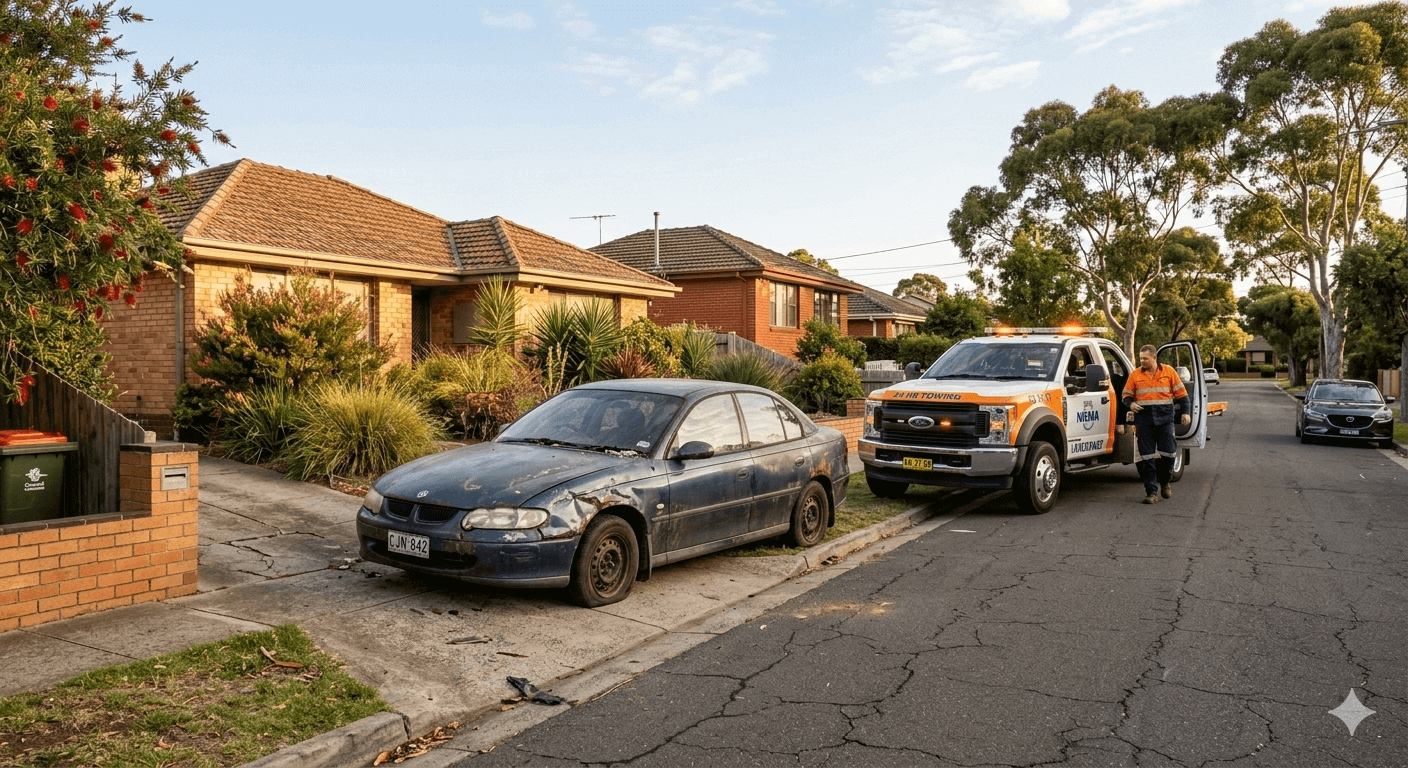
If you’ve got an old banger sitting in the driveway, a written-off ute after an accident, or a vehicle that’s going to cost more to fix than it’s worth, selling it for parts or scrap is one of the smartest moves you can make. Done right, it puts cash in your pocket, clears your property, and ensures your car is recycled responsibly. Done without preparation, it can leave you out of pocket, open to fines, or stuck with lingering legal liability.
This guide walks you through every step Australians need to take before handing over their unwanted car — so you get the best price, avoid common mistakes, and feel confident throughout the process.
Check If Your Car Is Suitable for Parts or Scrap
Before anything else, it helps to understand what type of vehicle you’re dealing with, as this shapes which path makes the most financial sense.
Written-off vehicles (repairable or statutory write-offs registered with your state’s vehicle registration authority) are absolutely sellable to licensed car wreckers — in fact, wreckers are one of the only legal buyers for statutory write-offs in most states. Non-running cars, accident-damaged vehicles, and cars with high repair costs are all fair game too. Licensed auto recyclers accept vehicles in virtually any condition.
The key question is whether your car has more value as a whole stripped for parts, or as scrap metal by weight. A vehicle with sought-after components — a popular engine, low-kilometre gearbox, or rare body panels — may yield more if certain parts are pulled and sold separately first. For most people, however, the convenience of selling the entire car to a wrecker outweighs the extra effort of parting it out yourself.
Gather Proof of Ownership and Vehicle Details
One of the most common mistakes sellers make is showing up unprepared on collection day. Licensed car wreckers are required by law to verify ownership before purchasing any vehicle — this protects both parties and helps prevent the trade of stolen cars.
Before contacting a wrecker, have the following ready:
- Registration papers — your current rego certificate or renewal notice
- Photo ID — driver’s licence or passport
- VIN (Vehicle Identification Number) and engine number — typically found on the compliance plate inside the engine bay or on the dashboard near the windscreen
- Finance clearance — if the car has an outstanding loan, you’ll need to confirm the debt is settled or arrange for the payout to come from the sale proceeds. You can check for encumbrances via the Personal Property Securities Register (PPSR)
Without proof of ownership, most reputable wreckers won’t proceed, so sorting this out early saves time for everyone.
Cancel Registration (If Required in Your State)
Cancelling your rego before selling your car for parts protects you from ongoing costs and — more importantly — future liability. Each Australian state and territory has its own rules, but in general you can cancel your registration and receive a partial refund for the unused period.
Why does this matter? If your rego is still active when the car leaves your possession and it’s involved in an incident (even if towed on a trailer), you could find yourself in a difficult position. Returning your number plates to your state’s registration authority and cancelling the rego officially transfers that responsibility away from you.
Check your state’s transport authority for exact requirements — for example, Service NSW, VicRoads, TMR Queensland, or DPTI in South Australia. In many cases, the wrecker will also provide documentation confirming the vehicle has been received and is no longer your responsibility.
Remove Personal Belongings and Valuable Items
This sounds obvious, but it’s one of the steps most sellers forget until the car has already been loaded onto the tow truck. Do a thorough sweep of the vehicle — including the boot, under seats, door pockets, and the glovebox — before collection day.
Items worth specifically looking for include:
- E-tag / toll tag — these are linked to your account and will keep charging you if left in the car
- Dash cam — easy to overlook and often worth good money
- Aftermarket stereo or speaker system — if you paid for an upgrade, take it with you
- Personal documents — insurance papers, service records, anything with your name and address on it
- Spare keys and garage door openers
- Child car seats
Leave nothing to chance. Once the car is gone, recovering items from a wrecking yard is rarely straightforward.
Decide Whether to Remove and Sell Valuable Parts Separately
This is where you can genuinely boost your return — if you have the time, tools, and mechanical know-how to do it safely.
Some parts hold significant resale value on platforms like Gumtree or Facebook Marketplace:
- Alloy wheels — especially popular sizes or brand-name aftermarket sets
- Battery — a healthy battery can fetch $80–$200
- Catalytic converter — contains precious metals and can be worth several hundred dollars depending on the vehicle
- Aftermarket accessories — bull bars, roof racks, tow bars, upgraded headlights
- Navigation or infotainment systems
The trade-off is time and effort. Stripping parts yourself means the wrecker will offer you less for the shell (since the valuable components are already gone), and you’ll need to find buyers and handle postage or pickup. For many Australians, the simplicity of selling the whole car to a wrecker for one clean transaction is well worth the slightly lower return.
If you do remove parts, be honest with the wrecker when requesting a quote — the price they offer will be based on what remains.
Drain or Declare Hazardous Fluids and Materials
Vehicles contain a range of hazardous materials that must be handled responsibly under Australian environmental law. The good news is that licensed auto recyclers are required to manage all of this — you don’t need to drain the car yourself.
However, if you’ve already drained fluids or removed the battery, let the wrecker know. Key materials include:
- Fuel — drain the tank if the car has been sitting, or note the fuel level
- Engine oil, coolant, and brake fluid — all classified as hazardous waste
- LPG tanks — these require special handling and must be declared; a licensed wrecker will know the protocol
- Airbag units — classified as dangerous goods and handled accordingly
Choosing a licensed wrecker means these materials are disposed of properly — not dumped illegally. This is both a legal protection for you and an environmental benefit for the community.
Get Quotes From Licensed Australian Car Wreckers
Now for the part that puts money in your hand. Getting quotes from car wreckers is straightforward, but a few tips will help you maximise the outcome:
Compare at least two or three quotes. Prices vary between wreckers based on the current scrap metal market, demand for your vehicle’s parts, and their own capacity. A quick ring-around or online quote request takes minutes.
Confirm free towing is included. Reputable wreckers offering cash for cars Australia-wide should include free car removal — don’t accept a quote that hasn’t confirmed this upfront.
Ask about same-day or next-day pickup. If convenience matters, many wreckers can arrange collection within 24–48 hours.
Make sure paperwork is provided. A legitimate wrecker will give you a receipt and, in most cases, a disposal notice confirming the vehicle is off your hands.
Watch out for quote-and-lowball tactics. Some less scrupulous operators quote high over the phone, then drop the price on arrival. Choose a wrecker with a clear, written quote and a transparent process.
Prepare the Vehicle for Collection
On the day of pickup, a little preparation goes a long way:
- Ensure the vehicle is accessible — gates unlocked, driveway clear, no other cars blocking it
- Have all keys ready, including spares
- Remove the number plates if your state requires it before handover (check your local rules)
- Have your ID and documents ready to hand to the driver
- Sign the transfer paperwork on the spot — don’t let the vehicle leave without documentation
If the car is in an unusual location (tight garage, steep driveway, on grass), mention this when booking so the right tow truck or equipment is arranged.
Complete the Sale and Transfer Responsibility
Once the car is loaded and the paperwork signed, there are a couple of final steps to close the loop:
- Keep your receipt — this is your proof the vehicle was legally sold and removed
- Notify your registration authority — even if rego was already cancelled, some states require a formal disposal notification or “notice of disposal”
- Cancel your insurance — contact your insurer to cancel or transfer the policy and potentially receive a refund on unexpired premiums
- Remove the car from your PPSR search record if applicable
Doing these final steps means there’s no lingering paperwork trail that could come back to bite you.
Sell Your Car for Parts the Easy Way with Cars Wreckers
At Cars Wreckers, we make selling your unwanted car as simple as possible — whether it runs or not, whether it’s been written off, accident-damaged, or simply reached the end of its useful life.
We are a licensed Australian auto recycler operating nationwide, and we handle the entire process from quote to collection. Here’s what you get when you sell to us:
- Instant quote — tell us your vehicle details and we’ll give you a firm offer fast
- Free car removal across Australia — no hidden towing fees, no surprises
- Any condition accepted — running, non-running, damaged, incomplete
- Fast payment — cash in hand or direct bank transfer on collection
- All paperwork handled — we provide everything you need for a clean, legal sale
- Responsible recycling — hazardous fluids and materials are disposed of in full compliance with Australian environmental regulations
Frequently Asked Questions
Can I sell a car for parts without rego in Australia?
Yes. Most licensed car wreckers will buy unregistered vehicles. You’ll still need to provide proof of ownership (ID and VIN details), but having no current rego is not a barrier to selling. In fact, it’s one of the most common situations wreckers deal with.
Do car wreckers buy non-running vehicles?
Absolutely. Licensed auto recyclers buy cars in any condition — non-running, fire-damaged, flood-affected, or missing parts. The price will reflect the condition, but there’s almost always a buyer for a vehicle, even if it’s only worth its weight in scrap metal.
Should I remove parts before selling to wreckers?
It depends on your priorities. If you have valuable aftermarket parts (wheels, stereo, accessories), removing and selling them separately can increase your overall return. For most people, the convenience of selling the whole car in one transaction is the better choice. Just be upfront with the wrecker about what’s been removed so the quote is accurate.
How much do wreckers pay for scrap cars in Australia?
Prices vary based on the vehicle’s make, model, age, condition, and the current scrap metal market. A typical scrap car might fetch anywhere from $150 to $1,000 or more, while a vehicle with sought-after parts can command significantly higher prices. Getting multiple quotes is the best way to ensure you’re getting a fair offer.
Is selling a car for parts legal in Australia?
Yes, selling a car for parts is completely legal in Australia, provided you sell to a licensed auto recycler and follow the required ownership transfer and registration cancellation steps. Selling to unlicensed operators can expose you to legal risk, so always confirm the buyer holds the appropriate state licences.
Do I need to cancel my rego before selling to a wrecker?
It’s strongly recommended. Cancelling rego protects you from ongoing registration fees and any future liability if the vehicle is involved in an incident after it leaves your hands. Some wreckers will manage the disposal notification on your behalf, but cancelling rego and returning plates is generally the seller’s responsibility.
What documents do I need to sell my car for scrap?
At a minimum, you’ll need proof of identity (driver’s licence) and proof of ownership (registration papers or a document showing your name as the registered owner). Having your VIN and engine number handy also speeds up the process. If there’s finance owing on the vehicle, you’ll need to resolve that before or at the time of sale.
Conclusion
Selling your car for parts doesn’t have to be complicated. With the right preparation — sorting your paperwork, cancelling your rego, removing personal items, and choosing a licensed wrecker — the whole process can be done in a day with minimal stress. Whether your vehicle is a complete write-off or simply not worth repairing, there’s real money to be recovered from it. The key is working with a reputable, licensed auto recycler who handles the heavy lifting for you. Cars Wreckers makes it simple: one free quote, free removal Australia-wide, and fast payment — no matter what condition your car is in.
Our Latest Blog
-
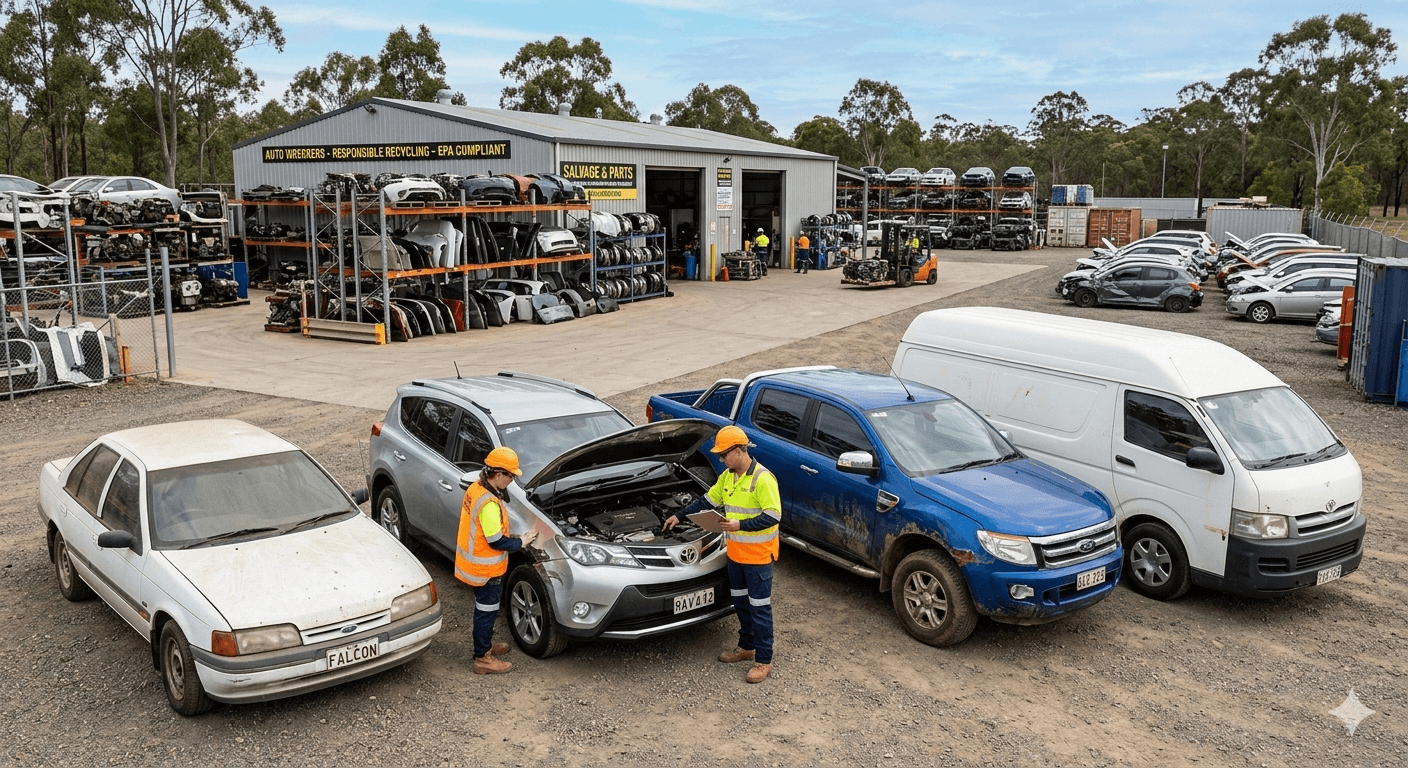 What Types of Vehicles Can Be Disposed Of?
-
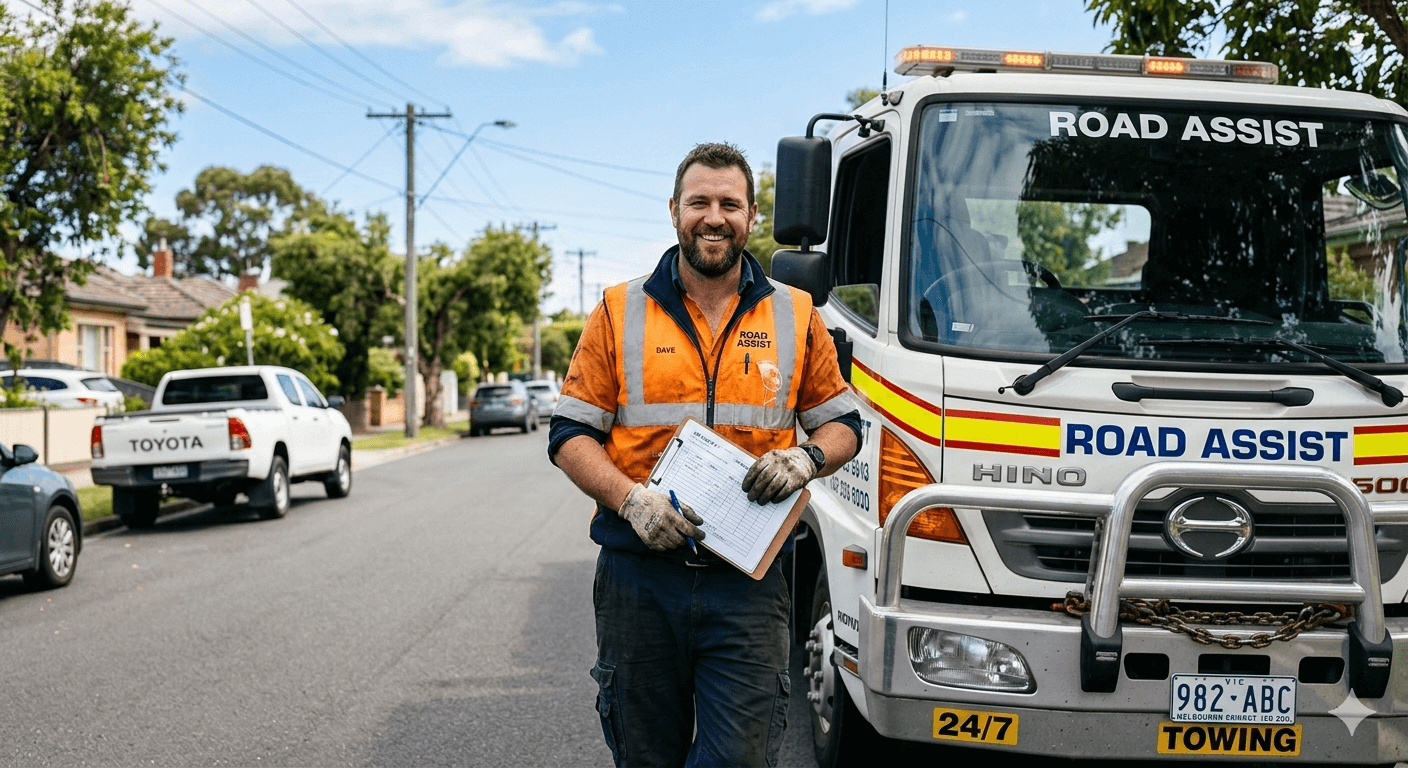 How Can I Get a Quote for My Old Vehicle in Australia?
-
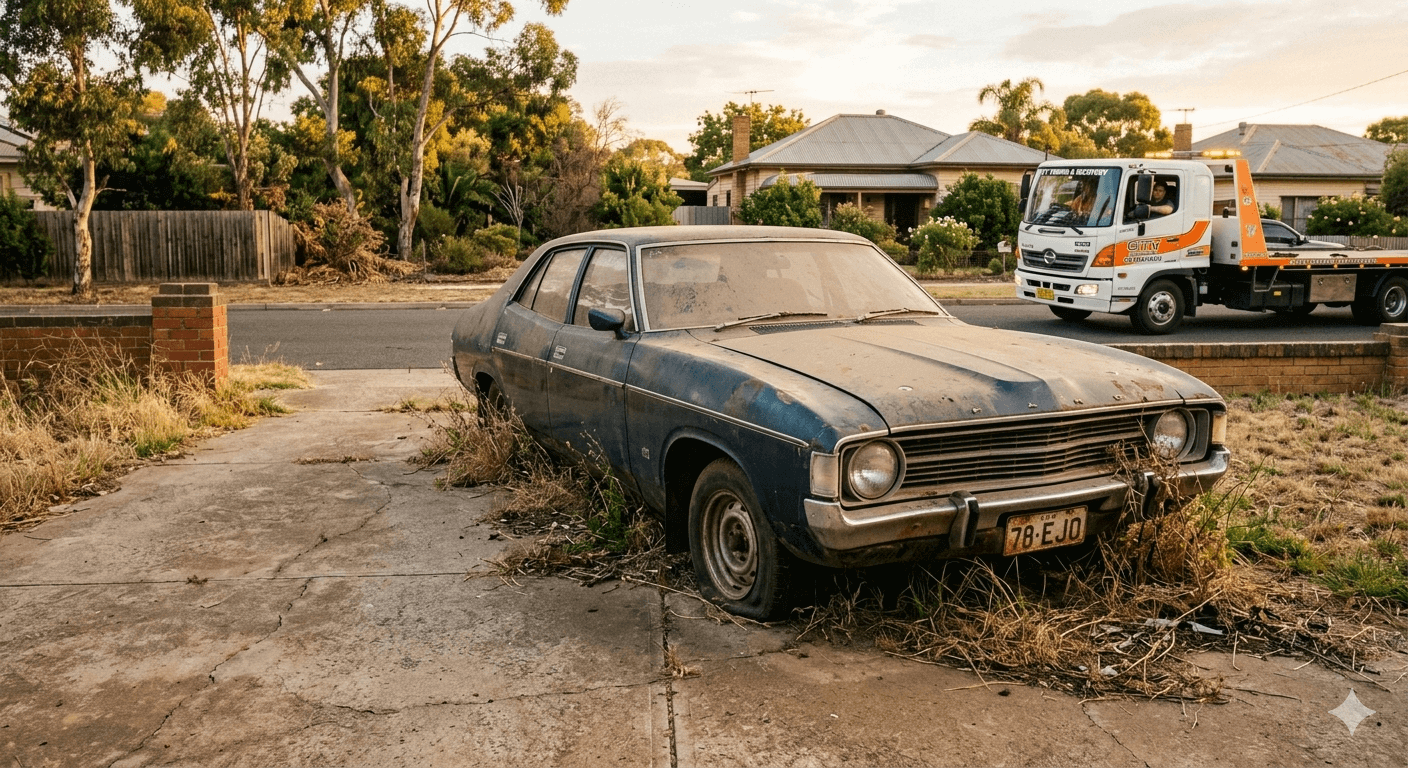 Can I Choose Where My Car Is Taken for Disposal in Australia?
-
 What Should I Do With My Car Title When Disposing of My Vehicle in Australia?
-
 How Do I Check the Reputation of a Car Disposal Company in Australia?
-
 Are There Incentives for Recycling Your Car in Australia?