
What Do I Do If My Car Is Not Running for Disposal?
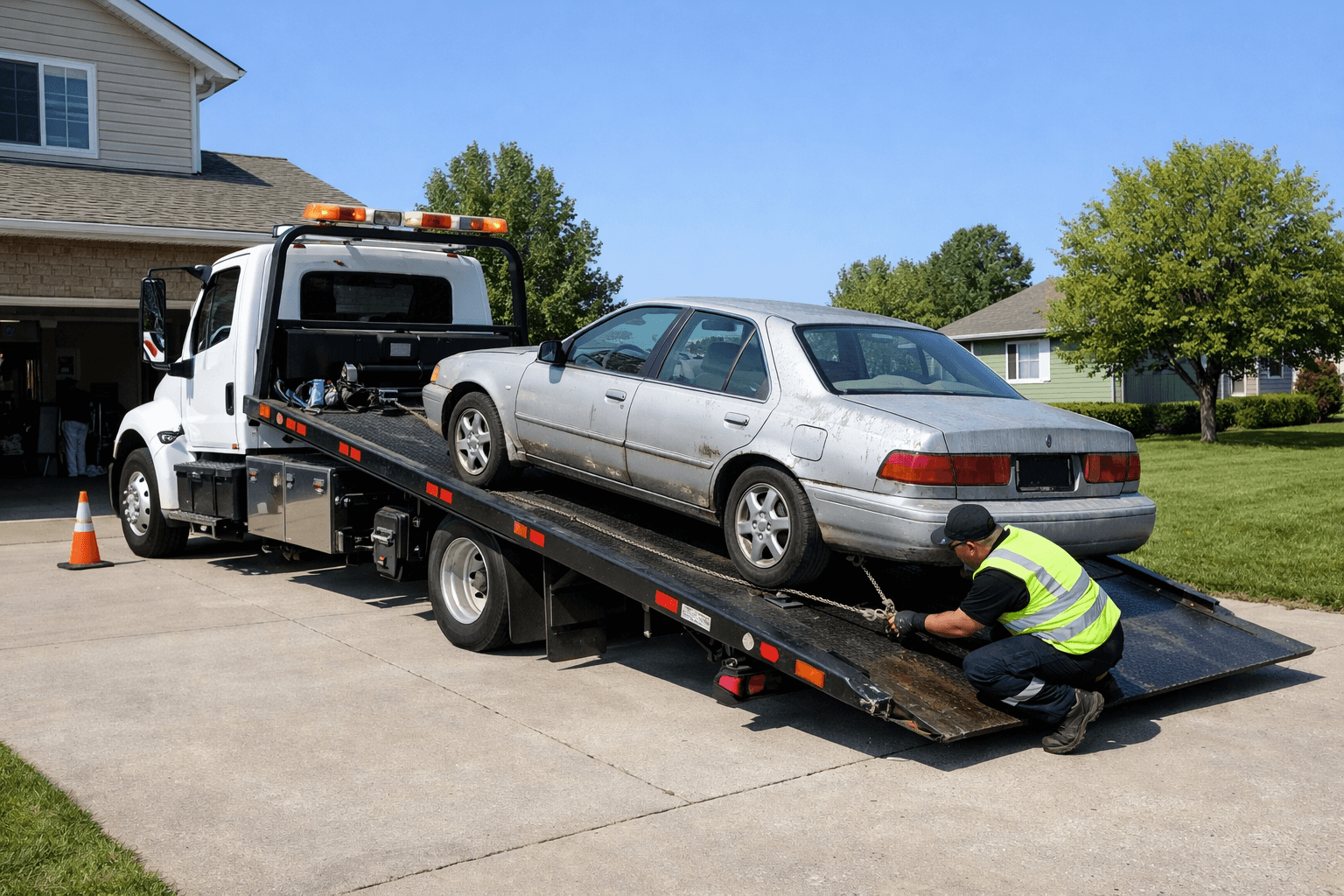
Is your car sitting in the driveway, refusing to start? Maybe the engine seized, the transmission failed, or it’s just too expensive to repair. You’re not alone. Thousands of car owners face this exact situation every year, wondering how to turn a non-running vehicle into cash or simply get rid of it without hassle. The good news? You have more options than you might think, even if your car won’t start, drive, or pass inspection.
Can You Dispose of a Car That Doesn’t Run?
Absolutely. Non-running cars are disposed of every day through legal, legitimate channels. Whether your vehicle has a blown engine, rusted frame, or simply won’t turn over, there are multiple pathways to dispose of it responsibly. Scrap yards, junk car buyers, donation programs, and professional removal services all accept vehicles in any condition. The key is choosing the option that maximizes value while meeting legal requirements in your area.
Best Options to Dispose of a Non-Running Car
Let’s explore every practical option, from fastest cash to maximum value.
Sell to a Scrap Yard or Junk Car Buyer
This is the fastest, most straightforward method for disposing of a non-running car. Scrap yards and junk car buyers purchase vehicles based on metal weight, usable parts, and current scrap metal prices. In Pakistan, these are often called kabari or scrap dealers. In the UK, you’ll find licensed scrap yards, while the US has junkyards and salvage buyers.
How it works:
- Get quotes from 3 to 5 local scrap yards or online junk car buyers
- Provide vehicle details like make, model, year, and condition
- Receive instant quote, often within minutes
- Schedule free towing or drop-off
- Get paid cash on the spot or via bank transfer
Pros: Fast payment, free towing, no repair costs, environmentally responsible. Cons: Lower payout compared to selling parts individually.
Donate the Car
If your priority is helping others rather than maximizing cash, donating your non-running car to a registered charity can be rewarding. Many charities accept vehicles in any condition, sell them at auction, and use the proceeds to fund their programs. In some countries like the US, you may qualify for a tax deduction.
How it works:
- Find a legitimate charity that accepts non-running vehicles
- Verify their registration status and tax-deductible eligibility
- Arrange free tow-away service (most charities provide this)
- Receive donation receipt for tax purposes
Pros: Tax benefits, supports good causes, hassle-free removal. Cons: No cash payment, tax deduction value may be less than sale price.
Sell for Parts
If your car has valuable components like a good transmission, catalytic converter, or working electronics, parting it out can yield significantly more money than scrapping the whole vehicle. This method requires more time, effort, and mechanical knowledge, but the payoff can be worth it.
High-value parts include:
- Catalytic converters (contain precious metals)
- Engine and transmission (if repairable)
- Airbags, infotainment systems, navigation units
- Wheels, tires, body panels, headlights
- Performance parts on specialty or luxury vehicles
Pros: Highest potential payout, control over pricing. Cons: Time-consuming, requires mechanical skill, leftover hulk needs disposal.
Trade-In at Dealer
While uncommon, some dealerships will accept non-running cars as trade-ins if you’re purchasing a new vehicle. The dealer typically offers minimal value and may deduct towing or repair costs from your new car price. This option works best if convenience outweighs getting top dollar and you’re already planning to buy from that dealer.
Professional Car Removal Services
Professional car removal companies specialize in buying and removing non-running vehicles. They handle all paperwork, provide instant quotes, and offer same-day or next-day pickup with free towing. These services are especially popular for abandoned vehicles, cars with complex ownership issues, or situations requiring urgent removal.
Pros: Fast process, free towing, handles paperwork, immediate cash. Cons: May offer slightly lower prices than negotiating directly with scrap yards.
Step-by-Step Process to Dispose of a Non-Running Car
Follow these steps to ensure a smooth, legal disposal:
- Confirm Ownership Papers. Locate your vehicle title, registration certificate, or proof of ownership. Most buyers and scrap yards require this to verify you own the car legally.
- Remove Personal Items. Check the glove box, trunk, under seats, and storage compartments. Remove GPS devices, toll tags, garage door openers, and any personal belongings. Once the car is gone, you cannot retrieve these items.
- Compare Scrap Quotes. Contact multiple scrap yards, junk car buyers, or removal services. Provide accurate details about the car’s make, model, year, and condition. Get written quotes to compare.
- Schedule Pickup or Drop-Off. Arrange a convenient time for vehicle collection. Most services offer free towing. If you can get the car to the scrap yard yourself, you may receive a slightly higher payout.
- Cancel Registration and Insurance. Notify your local motor vehicle department to deregister the vehicle. Cancel your insurance policy to avoid paying for coverage on a car you no longer own. This also protects you from liability if the car is involved in any incident after disposal.
- Get Disposal Receipt. Always obtain a signed receipt or certificate of destruction from the buyer. This document proves the car was disposed of legally and protects you from future liability, unpaid tickets, or ownership disputes.
How Much Is a Non-Running Car Worth?
The value of a non-running car depends on several factors. While exact prices vary by location and market conditions, understanding these factors helps you set realistic expectations.
Key valuation factors:
- Weight and Metal Content. Scrap yards pay by weight. Larger vehicles like SUVs and trucks are worth more than compact cars. Current scrap metal prices directly impact value.
- Usable Parts. Vehicles with functioning components like transmissions, electronics, or body panels command higher prices. Luxury and specialty cars often have valuable parts even when not running.
- Catalytic Converter. Contains platinum, palladium, and rhodium. Can be worth hundreds of dollars alone, depending on the vehicle make and model.
- Make, Model, and Year. Popular models with high demand for parts fetch better prices. Newer vehicles typically have more valuable components than older ones.
- Location. Urban areas with multiple scrap yards create competitive pricing. Remote areas may have lower offers due to towing costs and limited competition.
- Overall Condition. A car that doesn’t run but has minimal body damage and intact interior is worth more than a heavily rusted or stripped vehicle.
Typical value ranges:
- United States: $100 to $500 for standard cars, $500 to $1,500 for trucks and SUVs
- United Kingdom: £100 to £300 for small cars, £300 to £800 for larger vehicles
- Pakistan: PKR 20,000 to PKR 80,000 depending on weight and condition
These are general estimates. Always get multiple quotes for your specific vehicle.
Legal Requirements Before Car Disposal
Disposing of a car involves legal obligations to protect yourself and comply with local regulations. Requirements vary by country and region, but these are the most common steps.
- Title Transfer. Sign over the vehicle title to the buyer. In the US, complete the transfer section on the title certificate. In the UK, fill out the V5C logbook. In Pakistan, transfer the registration book at the local excise office.
- Vehicle Deregistration. Notify your motor vehicle department that you no longer own the car. This removes your name from government records and prevents future liability for tickets, accidents, or environmental violations.
- License Plates Removal. In many jurisdictions, you must remove and return license plates to the motor vehicle office before disposal. Some areas allow you to keep plates for transfer to a new vehicle.
- Insurance Cancellation. Cancel your auto insurance policy after the car is removed. Keep proof of disposal to show your insurer. This stops premium payments and protects you from liability.
- Environmental Compliance. Use licensed scrap yards or recyclers that follow environmental regulations for fluid disposal, battery recycling, and proper dismantling. Illegal dumping can result in heavy fines.
- Outstanding Fines or Loans. Clear any unpaid parking tickets, traffic fines, or outstanding loans before disposal. Some buyers will not accept vehicles with liens or unpaid government fees.
Regional notes:
- United States: Each state has different title transfer rules. Check your DMV website for specific requirements. Some states require a bill of sale in addition to title transfer.
- United Kingdom: Use the DVLA’s online service to notify them of the sale or disposal. Scrap yards must provide a Certificate of Destruction, which automatically notifies DVLA.
- Pakistan: Transfer vehicle registration at the excise and taxation office. Obtain a transfer letter from the buyer and complete Form 28 for deregistration.
Can You Dispose of a Car Without Papers?
Disposing of a non-running car without a title or registration documents is more challenging but not impossible. The process depends on your location and the reason for missing paperwork.
Legal pathways:
- Apply for Lost Title Replacement. Most motor vehicle departments allow you to request a duplicate title if the original is lost, stolen, or damaged. This typically requires proof of identity, vehicle identification number, and a small fee. Processing takes 1 to 4 weeks.
- Provide Affidavit of Ownership. Some scrap yards accept a notarized affidavit stating you are the legal owner. This document must include your name, vehicle details, and a statement that you have the right to dispose of the car.
- Scrap Certification. In some jurisdictions, licensed scrap yards can accept vehicles without titles if they issue a scrap certificate. The scrap yard takes responsibility for proper disposal and deregistration.
- Bonded Title. In the US, you may obtain a bonded title by purchasing a surety bond equal to the vehicle’s value. This protects future buyers if ownership disputes arise. The process varies by state.
Important: Never attempt to dispose of a car you do not legally own. Selling a vehicle without proper ownership can result in criminal charges, fines, and civil liability. If you inherited the car, go through proper probate or estate transfer procedures before disposal.
Environmental Benefits of Car Recycling
Properly recycling a non-running car creates significant environmental benefits. The automotive recycling industry is one of the most effective recycling sectors in the world, recovering millions of tons of material annually.
- Metal Reuse. Cars contain steel, aluminum, copper, and other metals. Recycling these materials uses far less energy than mining and refining new metal. A single car contains enough steel to build 25 shopping carts or manufacture 13 steel drums.
- Fluid Recovery. Licensed recyclers safely drain and dispose of hazardous fluids including engine oil, transmission fluid, brake fluid, coolant, and refrigerants. These substances can contaminate soil and water if released improperly.
- Landfill Reduction. Recycling keeps millions of tons of automotive waste out of landfills each year. About 86% of a car’s material can be recycled or reused, including glass, plastics, rubber, and upholstery.
- Battery and Tire Recycling. Car batteries contain lead and acid that must be recycled to prevent environmental harm. Tires are shredded and repurposed for playground surfaces, road construction, or fuel.
- Reduction in Manufacturing Emissions. Using recycled metal to manufacture new cars reduces carbon emissions by up to 75% compared to producing metal from raw ore. This contributes to lower overall greenhouse gas emissions.
By choosing a licensed recycler or scrap yard, you ensure your non-running car contributes to environmental sustainability rather than becoming toxic waste.
Common Mistakes When Disposing of a Non-Running Car
Avoid these pitfalls to maximize value and protect yourself legally.
- Accepting the First Offer. Scrap prices vary significantly between buyers. One yard might offer $200 while another offers $400 for the same car. Always get at least three quotes before deciding.
- Not Removing License Plates. Leaving plates on the car can result in tickets, toll violations, or criminal liability if the plates are used illegally after disposal. Remove plates before the car leaves your property.
- Ignoring Unpaid Fines. Outstanding parking tickets or traffic fines remain your responsibility even after selling the car. Clear these before disposal to avoid collections, license suspension, or legal action.
- Falling for Scams. Beware of buyers who offer inflated prices then reduce the amount upon pickup, claim they’ll pay after towing then disappear, or pressure you to sign blank paperwork. Only work with licensed, reputable buyers.
- Not Getting a Receipt. A signed receipt or certificate of destruction is your proof the car was disposed of legally. Without this, you remain liable for anything that happens with the vehicle.
- Forgetting to Cancel Insurance. Continuing to pay insurance on a car you no longer own wastes money. Cancel your policy immediately after disposal, but keep proof of coverage for at least one year.
- Not Notifying the Motor Vehicle Department. If you don’t officially deregister the vehicle, your name remains on government records. This leaves you vulnerable to liability claims, unpaid tickets, or environmental violations.
How to Find Non-Running Car Disposal Near You
Finding local disposal options is easier than ever with online tools and directories.
Search tips:
- Use Location-Based Keywords. Search for “junk car removal near me,” “scrap yard [your city],” or “car disposal [your area].” This helps you find local buyers who offer the best prices and free towing.
- Check Online Directories. Websites like Google Maps, Yelp, and local business directories list scrap yards, salvage yards, and car removal services with customer reviews and ratings.
- Contact National Junk Car Buyers. Large companies operate nationwide and provide instant online quotes. They coordinate with local partners for pickup and payment.
- Visit Local Scrap Dealers. In Pakistan, ask for kabari or scrap metal dealers. In the UK, look for licensed scrap yards. In the US, search for junkyards or auto salvage yards. Local dealers often offer competitive prices because they save on logistics.
- Ask Towing Companies. Many towing services also buy junk cars or can recommend reputable buyers. They already have the equipment to remove your vehicle.
- Verify Licensing. Ensure any buyer or scrap yard is properly licensed to handle vehicle disposal. Licensed facilities follow environmental regulations and provide legitimate documentation.
Always read reviews, compare offers, and verify credentials before committing to a buyer.
Frequently Asked Questions
Can I scrap a car that won’t start?
Yes. Scrap yards and junk car buyers accept vehicles in any condition, including cars that won’t start, have engine damage, or are completely non-functional. They purchase based on weight and salvageable parts, not running condition.
Do scrap yards take non-running cars?
Absolutely. Scrap yards specialize in non-running vehicles. They dismantle cars for usable parts and recycle the remaining metal. Most scrap yards offer free towing to pick up your vehicle from your location.
Is towing free for junk cars?
In most cases, yes. Reputable junk car buyers, scrap yards, and car removal services typically provide free towing as part of their service. However, always confirm this when requesting quotes. If a buyer charges for towing, it may reduce your final payout.
How long does car disposal take?
The entire process can be completed in as little as 24 to 48 hours. Once you accept an offer, most buyers schedule pickup within one to three business days. Same-day pickup is often available for urgent situations. The actual pickup and payment process usually takes less than an hour.
Do I need registration to scrap a car?
Requirements vary by location. Most scrap yards require proof of ownership, which is typically the vehicle title or registration certificate. Some jurisdictions allow disposal with alternative documentation like a notarized affidavit or scrap certification. Check with local buyers about their specific requirements. If you’ve lost your title, you can usually obtain a duplicate from your motor vehicle department.
What happens to my car after disposal?
The car is transported to a scrap yard or recycling facility where it undergoes systematic dismantling. Usable parts like the engine, transmission, and electronics are removed for resale. Hazardous fluids are drained and disposed of properly. The remaining metal shell is crushed and sent to recycling plants where it’s melted down and repurposed into new steel products. About 86% of a car’s materials are recycled or reused.
Can I donate a non-running car?
Yes. Many charities accept non-running vehicles as donations. They typically sell these cars at auction and use the proceeds to fund their programs. In some countries like the US, you may qualify for a tax deduction. The charity usually arranges free towing and provides a donation receipt for tax purposes.
Will I get more money if I part out the car myself?
Potentially, yes. Selling individual parts like the catalytic converter, transmission, or electronics can yield more total value than scrapping the entire car. However, this requires mechanical knowledge, time, storage space, and effort to find buyers for each component. You’ll also need to dispose of the remaining shell, which reduces your net profit. For most people, selling the entire car to a scrap yard is more convenient and faster.
Are there any fees to dispose of a non-running car?
Legitimate scrap yards and junk car buyers do not charge disposal fees. They pay you for the car and provide free towing. However, you may incur small costs for obtaining a duplicate title if yours is lost, removing license plates if required, or clearing unpaid fines before disposal. Be cautious of buyers who try to charge processing fees or towing costs, as this is often a red flag.
Can I scrap a car with outstanding finance or a loan?
Generally, no. If there’s an outstanding loan or lien on the vehicle, the lender technically owns it until the debt is paid. You must clear the loan or obtain permission from the lender before disposal. Some buyers may work with you to pay off the lien from the sale proceeds if the car’s value exceeds the remaining loan balance, but this is uncommon for non-running vehicles with low scrap value.
Conclusion
When your non-running car needs disposal, you have several practical options. Consider selling it to junkyards or scrap yards that purchase vehicles regardless of condition—they’ll often provide free towing and pay based on metal weight. Alternatively, donate it to charity for a potential tax deduction while supporting a worthy cause. Online car-buying services like Peddle or CarBrain specialize in non-operational vehicles and offer quick quotes. Some dealerships accept broken cars as trade-ins toward new purchases. Part-out valuable components before scrapping to maximize returns. Always cancel insurance and transfer the title properly. Remove personal belongings and license plates before pickup. Research local regulations, compare offers from multiple buyers, and choose the method that best balances convenience with financial return for your situation.
Our Latest Blog
-
 What Types of Vehicles Can Be Disposed Of?
-
 How Can I Get a Quote for My Old Vehicle in Australia?
-
 Can I Choose Where My Car Is Taken for Disposal in Australia?
-
 What Should I Do With My Car Title When Disposing of My Vehicle in Australia?
-
 How Do I Check the Reputation of a Car Disposal Company in Australia?
-
 Are There Incentives for Recycling Your Car in Australia?