
What Parts of My Car Can Be Recycled? (Complete Guide)
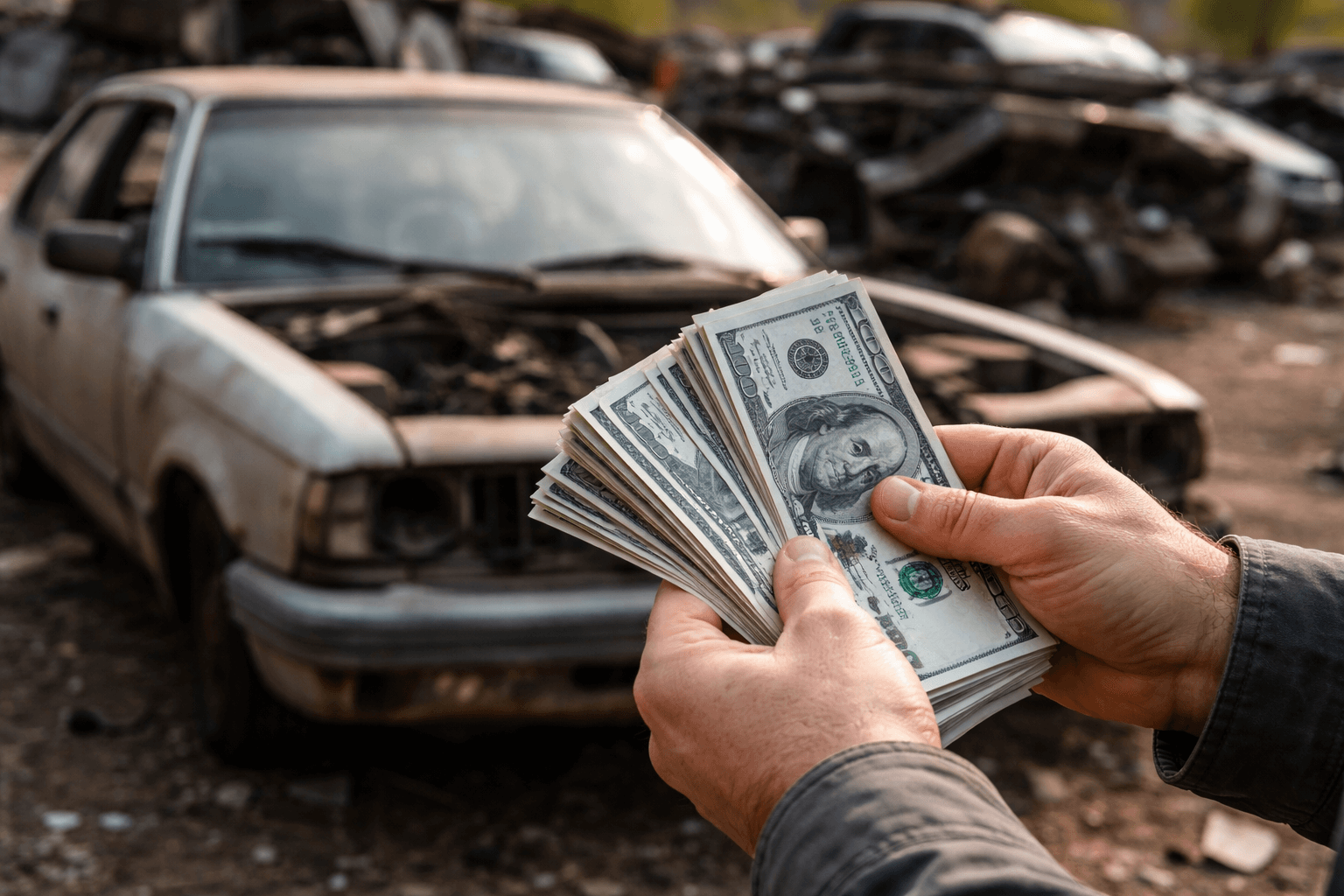
If you’ve ever wondered what happens to old cars, here’s a surprising fact: roughly 75–85% of a typical vehicle is recyclable. That includes the metal frame, engine components, electronics, glass, and even some fluids. Car recycling is one of the largest recycling industries in the world, with over 12 million vehicles recycled in the United States alone every year.
Beyond the environmental win, recycling your car parts can also put real money in your pocket. Scrap metal prices, precious metals in catalytic converters, and resalable used parts all add up. This guide breaks down exactly which parts of your car can be recycled, which ones are worth the most, and how to find local recycling options near you.
Metal Car Parts That Can Be Recycled
Metal is the backbone of any car, and it’s also the easiest material to recycle. Steel and iron are melted down and reused to make new products — from new car parts to appliances and construction materials.
Engine Block — Made from cast iron or aluminum, both highly recyclable. Even a seized engine holds scrap value by weight alone. A typical iron engine block weighs 50–100 lbs.
Transmission — Heavy steel and aluminum construction. Working transmissions can be resold; broken ones still have solid scrap value.
Steel Frame and Body Panels — Doors, hood, trunk lid, and roof panels are all steel and among the easiest materials to recycle.
Exhaust System — Pipes, muffler, and exhaust manifold are all steel. The catalytic converter (part of the exhaust) is covered separately below because it’s worth more.
Suspension Components — Control arms, struts, springs, and sway bars are mostly steel or aluminum. Sell as scrap or as used replacement parts if they’re in good shape.
The recycling process for metal parts generally goes: dismantling → fluid removal → parts stripping → shredding → magnetic/eddy-current separation → smelting.
High-Value Car Parts That Are Widely Recycled
Some parts are worth more than their raw scrap weight. Precious metals, copper, and high resale demand push these components to the top of the value list.
Catalytic Converter — The single most valuable part to recycle. It contains platinum, palladium, and rhodium. Depending on your vehicle and current precious metal prices, one converter can be worth $50 to over $1,000.
Aluminum Wheels and Rims — Aluminum is worth significantly more per pound than steel. A full set of aluminum rims can fetch $25–$100 in scrap, or much more if sold as used parts.
Starter Motor and Alternator — Both contain copper windings. Working units are in constant demand. Broken ones still have good scrap value.
Radiator — Typically aluminum and copper. Can bring $5–$30 in scrap depending on size and local metal prices.
Copper Wiring — A modern car contains 1–4 miles of copper wiring. Copper typically fetches $2–$4 per pound at scrap yards.
AC Compressor — Contains aluminum and sometimes copper. Also frequently resold as a used part since AC repairs are common.
Car Battery Recycling
Lead-acid car batteries are among the most successfully recycled products in the world — over 99% are recycled in the U.S. Most states legally prohibit disposing of them in the trash, and many retailers are required to take old batteries when you buy a new one.
Lead is toxic and can leach into soil and groundwater if batteries end up in landfills. The recycling process recovers the lead, plastic casing, and sulfuric acid — all reused in new batteries or other products.
Where to recycle your car battery: auto parts stores (AutoZone, Advance Auto, O’Reilly), scrap metal yards, dealerships, or your local municipal hazardous waste facility. Most auto parts stores accept them for free.
Plastic and Interior Parts That Can Be Recycled
Cars contain 300–400 lbs of plastic, and recycling it is more complex than metal — but it’s improving.
Bumpers — Many are made from polypropylene, a thermoplastic that can be ground, melted, and remolded. Specialized recyclers and some auto salvage yards accept them.
Dashboard and Trim Panels — These use recyclable plastics but are harder to process due to mixed materials like foam backing, paint, and embedded electronics. Specialized recyclers can handle them.
Fluid Containers — Coolant, washer fluid, and brake fluid reservoirs are usually HDPE, a widely recyclable plastic. Clean them out and take them to a plastics recycler.
Glass Components That Can Be Recycled
Windshields (Laminated Glass) — Made from two glass layers bonded with a plastic PVB interlayer, which makes them harder to recycle than standard glass. Specialized windshield recyclers can separate the layers. Some auto glass installers partner with these recyclers.
Side Windows and Rear Glass — Usually tempered glass, which is easier to recycle. Many glass recycling facilities and some salvage yards accept these.
Fluids and Materials That Must Be Properly Disposed Of
These aren’t recyclable in the traditional sense, but they cannot be dumped or poured down the drain. Proper recovery and disposal is required — and often legally mandated.
- Motor oil — Collected and re-refined into new oil, or used as industrial fuel. Auto parts stores accept it for free.
- Coolant (antifreeze) — Collected and reconstituted, or disposed of as hazardous waste.
- Brake fluid — Classified as hazardous. Take it to a certified facility.
- Transmission fluid — Similar to brake fluid; requires proper disposal.
- Refrigerant (AC) — Must be captured with specialized equipment. It’s illegal to vent it into the atmosphere.
- Gasoline — Can sometimes be reused; otherwise disposed of as hazardous waste.
One quart of motor oil can contaminate up to 250,000 gallons of drinking water. Don’t pour it down the drain.
Car Parts That Usually Cannot Be Recycled
A small portion of every vehicle is difficult or impossible to recycle with current technology:
- Seat foam and padding — Polyurethane foam used in seats is typically landfilled.
- Contaminated textiles — Carpeting and upholstery soaked with fluids or heavily degraded.
- Mixed composite materials — Parts combining metal, plastic, rubber, and adhesive that can’t be separated.
- Certain rubber components — Small seals, gaskets, and weatherstripping made from mixed rubber compounds.
- Some airbag inflators — Contain sodium azide and require specialized disposal, not standard recycling.
Together, these non-recyclable materials make up roughly 15–25% of a vehicle’s weight. Manufacturers are increasingly designing cars with end-of-life recyclability in mind, so this percentage is shrinking.
How Car Recycling Works (Step-by-Step)
- Depollution — All hazardous fluids are drained and stored. This is legally required before a vehicle can be crushed.
- Parts removal — Usable parts are pulled off, tested, and inventoried for resale — converters, batteries, alternators, good tires, electronics.
- Title transfer — The vehicle is officially deregistered.
- Crushing and shredding — The stripped shell is crushed flat, then fed into an industrial shredder that reduces it to fist-sized chunks.
- Material separation — Shredded material passes through magnetic separators (ferrous metals), eddy-current separators (aluminum and copper), and air classifiers (plastic and foam).
- Smelting and remanufacturing — Separated metals go to steel mills and aluminum foundries to be melted and reformed into raw material.
Where to Recycle Car Parts Near You
Auto Salvage Yards (Junkyards) — Best option for a whole car or large amounts of parts. They buy vehicles, remove usable parts, and crush the rest. Search “auto salvage yard near me” or “junk car buyers.”
Scrap Metal Recyclers — Ideal for loose metal components. They pay by the pound. Call ahead to check current metal prices.
Used Auto Parts Dealers and Online Marketplaces — eBay, Facebook Marketplace, and car-specific forums are great for selling working parts. You’ll usually get more than scrap value.
Municipal Recycling Centers — Many accept batteries, used oil, and sometimes tires and fluids. Check your city or county website.
Auto Parts Stores — Major chains accept used motor oil and batteries, usually for free.
Tire Retailers — Most accept old tires with a small disposal fee of $1–$3 per tire.
How Much Money Can You Get for Recyclable Car Parts?
What you earn depends on:
- Metal commodity prices — Steel, aluminum, copper, and precious metals fluctuate daily.
- Part condition — A working engine might be worth $500; a seized one might be $50 in scrap.
- Vehicle make and model — Parts from popular vehicles (Honda, Toyota, Ford) sell faster.
- Demand — High-demand parts like catalytic converters and transmissions command better prices.
- Weight — Heavier components mean more scrap metal and more money.
As a rough ballpark: a typical junk car in average condition might fetch $200–$600 at a scrap yard. Cars with a working catalytic converter, aluminum wheels, and a decent engine can earn $800–$1,500 or more. Stripping and selling parts individually before scrapping the shell maximizes your return, but takes more time.
Always get quotes from at least 2–3 buyers before selling. Prices vary significantly.
Environmental Benefits of Car Recycling
Energy savings — Producing steel from recycled scrap uses about 74% less energy than making it from raw iron ore. For aluminum, recycling uses approximately 95% less energy than primary production.
Reduced CO2 emissions — Every ton of recycled steel saves roughly 1.5 tons of CO2 compared to producing steel from raw materials.
Resource conservation — Recycling keeps finite raw materials — iron ore, bauxite, copper, platinum, palladium — in circulation, reducing the need for environmentally damaging mining.
Waste reduction — Without recycling, a scrapped car is a massive pile of waste. With recycling, over 80% of that material gets a new life. The auto recycling industry keeps tens of millions of tons of material out of landfills every year.
Frequently Asked Questions
Can I recycle my whole car?
Yes. Selling your car to an auto salvage yard or junk car buyer is the easiest approach. They handle everything — draining fluids, pulling parts, and crushing the shell. You hand over the title and collect payment.
What is the most valuable part to scrap?
The catalytic converter, thanks to its platinum, palladium, and rhodium content. After that: aluminum wheels, copper wiring, and working engines or transmissions.
Are tires recyclable?
Yes, through a specialized process. Old tires are shredded into rubber crumb used in playground surfaces, athletic tracks, and asphalt. Most tire retailers and many municipal facilities accept them, usually for a $1–$3 fee per tire.
Do scrap yards remove parts for you? Most do. Full-service yards and junk car buyers typically tow for free and handle all dismantling. At pull-it-yourself (“U-Pull-It”) yards, you do the work yourself in exchange for lower prices.
Can I recycle car parts at home?
Partially. You can drain and store used oil, remove high-value parts to sell privately, and drop off batteries and fluids at local retailers. The major recycling steps — crushing, shredding, smelting — require industrial equipment.
What parts cannot be recycled?
Seat foam, mixed composite materials, certain rubber seals and gaskets, contaminated textiles, and some airbag inflator components. These make up roughly 15–25% of a vehicle’s weight and typically go to landfill.
Conclusion
Recycling your car parts is a smart move for both your wallet and the planet. With 75–85% of a vehicle being recyclable, there’s real value locked inside every old car — from the catalytic converter to the aluminum wheels and copper wiring. Start by identifying your highest-value parts, get quotes from multiple scrap yards or junk car buyers, and ensure fluids are properly disposed of. Whether you’re scrapping a whole vehicle or selling individual components, every part recycled keeps waste out of landfills and reduces the demand for newly mined raw materials. Old cars don’t have to be a dead end.
Our Latest Blog
-
 What Types of Vehicles Can Be Disposed Of?
-
 How Can I Get a Quote for My Old Vehicle in Australia?
-
 Can I Choose Where My Car Is Taken for Disposal in Australia?
-
 What Should I Do With My Car Title When Disposing of My Vehicle in Australia?
-
 How Do I Check the Reputation of a Car Disposal Company in Australia?
-
 Are There Incentives for Recycling Your Car in Australia?