
What Should You Do If Your Vehicle Is Leaking Fluids?
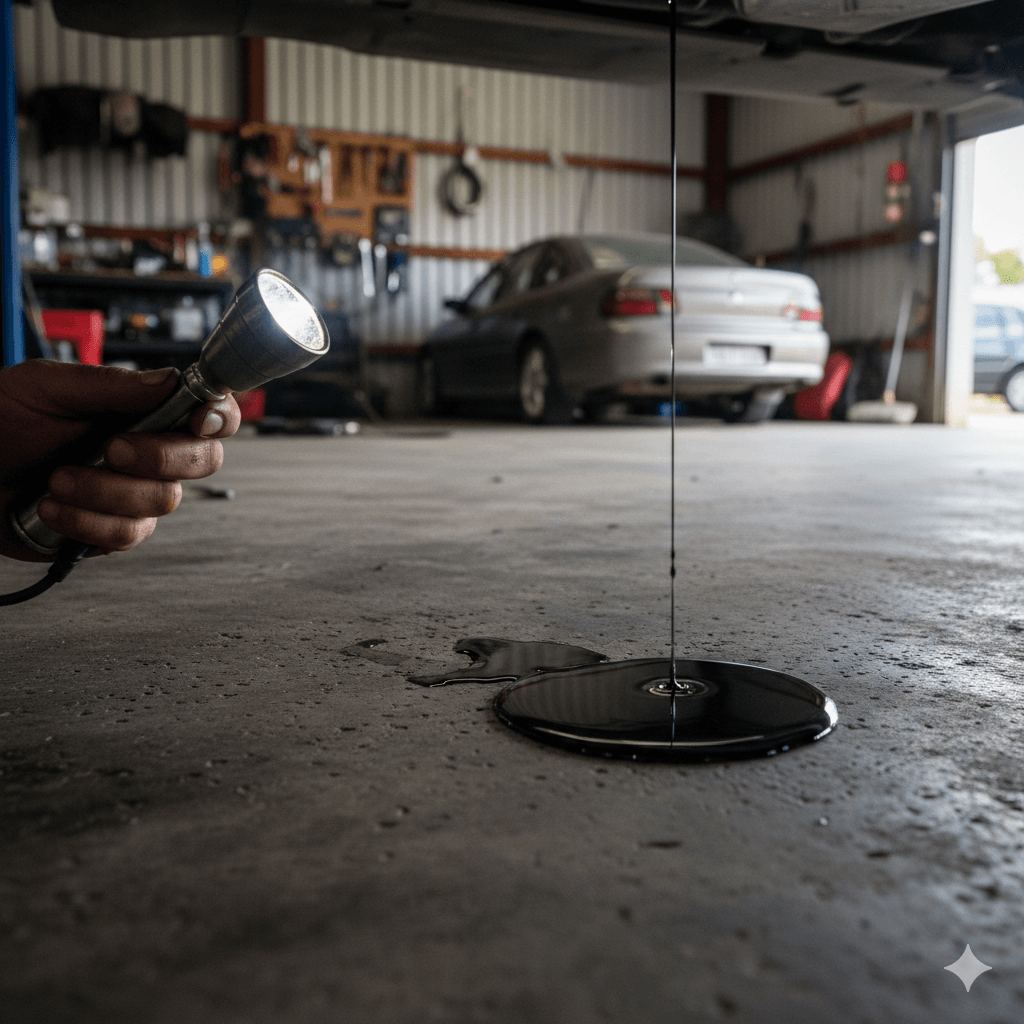
Noticing a puddle under your car is enough to make any driver’s stomach drop — and rightly so. Vehicle fluid leaks aren’t just an inconvenience; they’re a serious safety risk that can leave you stranded on the side of the road, damage your engine beyond repair, or cause harm to Australia’s environment. Whether you’re driving a daily hatch, a ute, or a high-kilometre wagon that’s seen better days, knowing how to identify and respond to a fluid leak could save you thousands of dollars — or at the very least, help you make a smarter decision about your vehicle’s future.
In this guide, we’ll walk you through exactly what to look for, what to do immediately, and when it might make more financial sense to sell your leaking car rather than pour money into repairs.
How to Tell Which Fluid Is Leaking From Your Car
Before you panic, it pays to figure out what is actually leaking. Different fluids have distinct colours and locations under the vehicle, and identifying them correctly will help your mechanic — or help you decide whether to book one at all.
Engine oil is one of the most common culprits. Fresh oil tends to be amber or light brown, while older, degraded oil appears dark brown to black. You’ll typically find oil spots beneath the engine bay — have a look under the bonnet and check around the sump, valve cover, and oil filter for telltale wet patches or crusty buildup.
Coolant (what some people still call antifreeze) usually presents as bright green, orange, or pink, and has a slightly sweet smell. Coolant leaks are commonly found near the radiator, hoses, or water pump. If your temperature gauge is creeping up, a coolant leak may already be causing damage.
Transmission fluid is typically reddish or pink when fresh, darkening to brown as it ages. If you spot red fluid under the middle or front of the vehicle, your transmission or its cooling lines may be the issue.
Brake fluid can be harder to spot — it’s usually clear to light yellow and has a slightly oily feel. Brake fluid tends to accumulate near the wheels or along the firewall at the back of the engine bay. Any brake fluid leak demands immediate attention.
Water under the car is often harmless. On a hot day, the air conditioning system naturally produces condensation that drips from underneath — completely normal and nothing to worry about.
Is It Safe to Drive With a Fluid Leak?
The short answer: it depends entirely on which fluid is leaking and how severe the leak is.
Brake fluid leaks are an absolute emergency. If you’re losing brake fluid, your stopping power can fail without warning. Do not drive the vehicle — full stop.
Coolant leaks are urgent. Driving with a coolant leak risks overheating your engine, which can lead to a blown head gasket or a seized motor — repairs that often cost more than the car is worth. If your temperature gauge rises above normal, pull over and call for assistance.
Oil leaks carry serious risk if ignored. A slow drip may allow you to top up and drive short distances, but a significant oil leak can starve the engine of lubrication within minutes. Driving on low oil pressure causes rapid, catastrophic engine wear.
Transmission fluid leaks can lead to rough shifting and eventually total transmission failure — a very costly repair, particularly on older vehicles.
Beyond the mechanical risk, there’s an environmental consideration. Australian roads, car parks, and driveways all feed into stormwater systems that connect to our waterways and bushland. Persistent fluid leaks contaminate soil and water, harming native wildlife and ecosystems. It’s not just a car problem — it’s a responsibility.
Immediate Steps to Take If Your Car Is Leaking Fluid
If you’ve spotted a leak, here’s what to do right now:
- Stop driving if the leak is severe. If you can see fluid actively dripping or pooling, or if any warning light has come on, don’t risk driving. Pull over safely and switch off the engine.
- Check your fluid levels under the bonnet. With the engine off and cooled down, check your oil dipstick, coolant reservoir, brake fluid reservoir, and transmission dipstick (where applicable). A dramatically low level tells you the leak has already been significant.
- Place a drip tray or flattened cardboard under the vehicle. This protects your driveway, garage floor, and the environment from further contamination while you arrange repairs or removal.
- Clean up any spill safely. Use an absorbent material like kitty litter or commercially available oil-dry compound to soak up pooled fluid. Never hose it into the gutter — automotive fluids are classified as hazardous waste in Australia and should be disposed of at a local waste facility or recycling centre.
- Book a mechanic inspection as soon as possible. Even if the leak seems minor, a qualified mechanic can pinpoint the source and give you an honest repair estimate before the problem worsens.
Common Causes of Vehicle Fluid Leaks
Understanding what causes leaks helps you have a more informed conversation with your mechanic — and can help you anticipate whether more problems are around the corner.
Worn seals and gaskets are the most frequent culprit in older or high-kilometre vehicles. Rubber degrades over time, especially under the heat cycles typical of Australian summers. A leaking valve cover gasket or rear main seal is almost inevitable as a vehicle ages.
Cracked or perished hoses are another common issue. Coolant hoses, power steering lines, and oil breather hoses all become brittle with age and heat exposure. A small crack can quickly become a serious leak.
Corrosion affects metal components like brake lines, radiators, and oil pans — particularly in coastal areas where salt air accelerates rust.
Impact damage from hitting a kerb, rock, or debris on the road can crack or puncture the sump, transmission pan, or coolant lines.
Age and heat compound all of these issues. Vehicles with over 200,000 km, or those that have sat unused for extended periods, are prime candidates for multiple simultaneous leaks.
Repair Costs vs Vehicle Value — Is It Worth Fixing?
Here’s where many Australian car owners face a tough decision. Repair costs for fluid leaks vary enormously depending on the source and severity.
A simple valve cover gasket replacement might cost $150–$400 at a reputable workshop. Replacing coolant hoses could run $200–$500. But a blown head gasket — often a consequence of an untreated coolant leak — can set you back $1,500–$3,500 or more. Transmission work regularly exceeds $2,000–$5,000. Rear main seal replacement on many vehicles requires removing the gearbox, pushing costs past $800–$1,500.
The real question to ask is: what is the car actually worth? If your vehicle is valued at $3,000 on a good day but needs $2,500 in repairs, the maths simply don’t stack up — especially if it’s also approaching rego renewal, needs new tyres, or has other deferred maintenance waiting in the wings.
For older vehicles, high-kilometre cars, or those with multiple issues, the repair-to-value ratio often tips sharply against fixing. That’s when it’s worth considering your alternatives.
When It’s Better to Sell or Scrap a Leaking Vehicle
If the repair bill exceeds what the car is worth, or if you simply don’t want the headache of ongoing mechanical dramas, selling your leaking vehicle to a professional car wrecker is a practical and financially sensible solution.
Cars Wreckers Australia purchases damaged, leaking, and non-roadworthy vehicles in any condition — no repairs necessary. We offer free car removal across Australia, meaning we’ll come to you whether you’re in a metro suburb or a regional town. You receive cash for your car on the spot, and we handle all the paperwork so the vehicle is properly deregistered and off your hands.
Selling to a wrecker also means your vehicle’s usable parts get recycled and reused rather than ending up in landfill — a much better outcome for the environment.
How Cars Wreckers Australia Helps With Leaking or Damaged Cars
We understand that not every leaking car is worth repairing, and we’re here to make the process of moving it on as easy as possible.
We accept vehicles in any condition — leaking oil, blown coolant, seized engines, damaged bodies. If it used to be a car, we’ll take it.
Same-day and next-day pickup is available in most locations. You don’t need to arrange towing or worry about the vehicle being drivable.
We handle all the paperwork — transfer of ownership, notification to your state’s transport authority, and rego cancellation are all taken care of, so you’re not left liable for a vehicle you no longer own.
You get paid in cash, with no hidden fees or last-minute price changes. The quote we give is the amount you receive.
Environmental Risks of Ignoring Vehicle Fluid Leaks
Australia’s environment is particularly sensitive to chemical contamination. Engine oil, coolant, transmission fluid, and brake fluid are all classified as hazardous substances — and for good reason.
When these fluids seep into soil, they can persist for years, killing vegetation and contaminating groundwater. When washed into stormwater drains, they flow directly into rivers, estuaries, and coastal waterways, harming fish, aquatic invertebrates, and the birds and animals that depend on them.
Under Australian environmental protection laws, disposing of automotive fluids down the drain or onto unsealed ground is illegal and can attract significant fines. Most councils and waste transfer stations offer free drop-off for small quantities of used oil and other automotive fluids — use them.
By selling or scrapping a leaking vehicle through a licensed wrecker like Cars Wreckers Australia, you’re ensuring that remaining fluids are drained, captured, and disposed of responsibly in accordance with Australian regulations.
FAQs
Can I drive with an oil leak?
A minor seep may allow short-distance driving if you top up the oil and monitor levels closely, but any significant oil leak is a serious risk. Low oil pressure can destroy an engine in minutes. Have it inspected by a mechanic as soon as possible, and don’t rely on topping up as a long-term solution.
What colour is coolant?
Coolant is typically bright green, orange, or pink depending on the type. It has a sweet smell and a slippery feel. Never open a hot radiator cap — coolant is under pressure and can cause severe burns.
Is water under my car normal?
Often, yes. Air conditioning systems produce condensation that drips from underneath the vehicle — this is completely normal, especially on warm days. If you’re unsure whether it’s water or coolant, check the smell and colour. Water is clear and odourless; coolant smells sweet and may be tinted.
How much does leak repair cost in Australia?
It varies widely. Minor gasket or hose replacements can cost $150–$500. More serious repairs like head gaskets, rear main seals, or transmission work can range from $1,500 to over $5,000. Always get two or three quotes from reputable mechanics before committing.
Will wreckers take a leaking car?
Absolutely. Cars Wreckers Australia purchases vehicles in any condition, including those with active fluid leaks, blown engines, or non-roadworthy status. We offer free pickup and cash payment — no need for the car to be drivable.
Conclusion
A fluid leak is your vehicle’s way of telling you something is wrong — and ignoring it only makes things worse. Whether it’s a simple gasket replacement or a sign that your car has reached the end of its road, acting quickly protects your safety, your wallet, and Australia’s environment. If the repair bill outweighs the car’s value, don’t throw good money after bad. Cars Wreckers Australia makes it easy to move on — fast pickup, fair cash, and responsible recycling. Got a leaking car sitting on your driveway? Get a free quote today and turn that problem into cash.
Our Latest Blog
-
 What Types of Vehicles Can Be Disposed Of?
-
 How Can I Get a Quote for My Old Vehicle in Australia?
-
 Can I Choose Where My Car Is Taken for Disposal in Australia?
-
 What Should I Do With My Car Title When Disposing of My Vehicle in Australia?
-
 How Do I Check the Reputation of a Car Disposal Company in Australia?
-
 Are There Incentives for Recycling Your Car in Australia?