
Where to Find Eco-Friendly Vehicle Recycling Options: Your Complete Guide
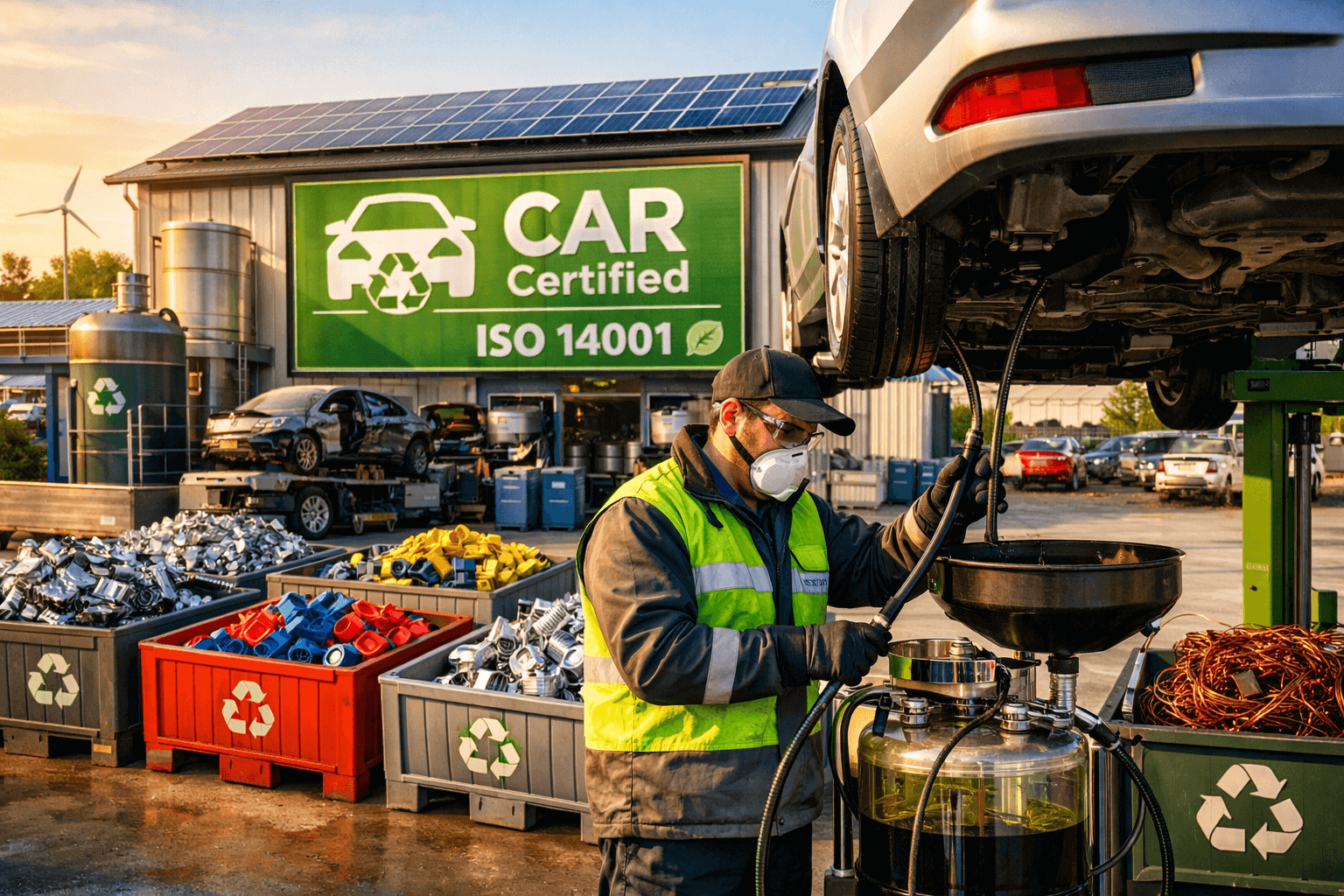
Understanding Eco-Friendly Vehicle Recycling
When your vehicle reaches the end of its usable life, how you dispose of it matters more than you might think. Every year, approximately 27 million vehicles worldwide reach end-of-life status, and in the United States alone, nearly 12 million cars are recycled annually. The good news? Automobiles are among the most recycled consumer products globally, with up to 85% of each vehicle’s materials recoverable and reusable.
Eco-friendly vehicle recycling goes beyond simply crushing old cars. It’s a sophisticated process that recovers valuable materials, properly handles hazardous substances, and supports the circular economy—all while putting money back in your pocket and protecting our planet for future generations.
What Makes a Vehicle Recycler “Eco-Friendly”?
Not all auto recyclers operate with the same environmental standards. Eco-friendly recyclers distinguish themselves through specific practices and certifications that ensure responsible vehicle disposal.
Key Environmental Practices
Proper Hazardous Material Handling Eco-friendly recyclers meticulously remove and safely dispose of toxic fluids including motor oil, transmission fluid, brake fluid, coolant, and refrigerants. These substances can contaminate soil and water if improperly handled. Leading facilities repurpose materials where possible—using gasoline to power on-site vehicles, recycling oil for heating, and purifying windshield washer fluid for resale.
Comprehensive Material Recovery Sustainable recyclers extract and separate materials systematically. Steel, aluminum, copper, plastics, and glass each follow different recycling pathways. Precious metals from catalytic converters—including platinum, palladium, and gold—are carefully recovered, eliminating the need for environmentally damaging mining operations.
Battery and Electronics Management Modern vehicles contain complex electronics and batteries requiring specialized handling. Eco-friendly facilities ensure these components are processed according to R2 (Responsible Recycling) or e-Stewards standards, preventing toxic materials from entering landfills.
Water Conservation and Pollution Prevention Advanced recycling centers implement closed-loop water systems, collecting, filtering, and reusing water used for washing parts. This prevents contaminated runoff from entering local water systems.
Important Certifications to Look For
When selecting a vehicle recycler, certifications provide verified proof of environmental commitment:
Certified Automotive Recycler (CAR) Program Administered by the Automotive Recyclers Association (ARA), CAR certification requires recyclers to meet rigorous standards for environmental compliance, safety, and business practices. Facilities undergo annual independent audits to maintain certification.
ARA Gold Seal Certification This advanced certification builds on CAR requirements, adding quality assurance standards, parts grading systems, and enhanced customer service protocols. Gold Seal facilities maintain trackable recordkeeping and stand behind their parts with written warranties.
ISO 14001 Environmental Management This internationally recognized standard demonstrates a facility has implemented a comprehensive environmental management system focused on reducing waste and minimizing pollution.
NSF Automotive Recycler Certification NSF certification verifies compliance with standards covering safety, environmental responsibility, and traceability through annual on-site audits.
R2 or e-Stewards Certification For recyclers handling electronic components and batteries, these certifications ensure responsible electronics recycling and proper data security measures.
State and Local Environmental Permits Legitimate recyclers maintain current permits from state environmental agencies and comply with EPA regulations regarding hazardous waste management.
Where to Find Eco-Friendly Vehicle Recycling Services
National Online Directories
Automotive Recyclers Association (ARA) Directory Visit a-r-a.org to search for certified recyclers in your area. The directory allows filtering by certification level (CAR or Gold Seal) and geographic location.
Car-Part.com and Recycler.com These industry-standard databases connect consumers with professional auto recyclers nationwide. Many listings indicate certification status and environmental practices.
Earth911 Recycling Search Enter your zip code and “automobile” to find certified recycling facilities, including those specializing in specific vehicle types or components.
State and Regional Resources
State Auto Recyclers Associations Most states have automotive recycling trade associations that maintain directories of certified members. Examples include the Iowa Automotive Recyclers (I-CARE Program) and Pennsylvania Automotive Recycling Trade Society.
State Environmental Agency Websites Your state’s Department of Environmental Protection or equivalent agency often maintains lists of permitted auto recyclers and authorized end-of-life vehicle processing centers.
Local Air Quality Management Districts In regions with air quality programs like California’s Clean Cars 4 All, local districts maintain lists of approved vehicle recyclers participating in vehicle retirement programs.
Manufacturer Take-Back Programs
Some automotive manufacturers offer vehicle retirement or recycling programs, particularly for electric vehicles. Contact your vehicle’s manufacturer to inquire about certified recycling partners.
Charitable Donation Programs
Organizations like Wheels For Wishes and similar charities accept vehicle donations, ensuring eco-friendly recycling while providing tax benefits. These programs typically partner with certified recyclers to handle vehicle processing.
What Happens to Your Recycled Vehicle?
Understanding the recycling process helps you appreciate why choosing an eco-friendly facility matters.
Step 1: Initial Assessment and Documentation
Upon arrival, recyclers record the vehicle identification number (VIN), mileage, and overall condition. This documentation ensures traceability and helps manage vehicle recalls.
Step 2: Depollution (Fluid Removal)
Technicians systematically drain all fluids:
- Motor oil (recycled for re-refining or energy recovery)
- Transmission and brake fluids (processed for reuse)
- Coolant/antifreeze (recycled or neutralized)
- Gasoline and diesel (repurposed or properly disposed)
- Air conditioning refrigerants (recovered for reuse)
Step 3: Parts Removal and Refurbishment
Usable components are carefully removed for resale in the secondary auto parts market:
- Engines and transmissions
- Alternators and starter motors
- Body panels and doors
- Headlights and taillights
- Interior components
- Wheels and tires
These parts save consumers up to 50% compared to new parts while reducing manufacturing demand.
Step 4: Hazardous Component Removal
Specialized items requiring careful handling:
- Batteries: Lead-acid batteries are among the most recycled items, with over 90% recycled into new batteries
- Catalytic converters: Precious metals are extracted and refined
- Airbags: Safely deployed or dismantled
- Mercury switches: Removed and sent to specialized processors
- Electronic components: Processed according to electronics recycling standards
Step 5: Shredding and Material Separation
The remaining vehicle hull undergoes shredding:
- Car bodies are crushed and fed into industrial shredders
- Powerful magnets separate ferrous metals (steel and iron)
- Eddy current separators extract non-ferrous metals (aluminum, copper)
- Advanced sorting systems separate plastics by type
- Glass and other materials are segregated for specialized recycling
Step 6: Material Distribution
Separated materials enter new manufacturing streams:
- Steel: Melted and formed into new automotive parts, construction materials, or appliances
- Aluminum: Recycled into new vehicle components (requires 95% less energy than virgin aluminum production)
- Copper: Used in electrical wiring and plumbing applications
- Plastics: Processed into new automotive parts, construction materials, or consumer goods
- Rubber: Ground into crumb rubber for asphalt, playground surfaces, or new products
- Glass: Recycled into fiberglass insulation or new automotive glass
Environmental Benefits of Eco-Friendly Vehicle Recycling
Energy Conservation
Recycling vehicles saves enormous amounts of energy. Using recycled steel instead of virgin materials reduces energy consumption by up to 74%, saving enough electricity annually to power more than 18 million households.
Natural Resource Preservation
Each recycled vehicle saves approximately:
- 2,500 pounds of iron ore
- 1,400 pounds of coal
- 120 pounds of limestone
Additionally, recovering precious metals from catalytic converters eliminates the need for environmentally destructive mining operations.
Pollution Reduction
The automotive recycling industry prevents air and water pollution by:
- Properly managing 24 million gallons of motor oil annually
- Preventing 11 million gallons of gasoline and diesel from contaminating soil and water
- Safely handling millions of gallons of antifreeze, brake fluid, and other toxins
Landfill Waste Reduction
Vehicle recycling diverts more than 25 million tons of material from landfills each year. Without recycling, abandoned vehicles would leak hazardous substances, creating long-term environmental contamination.
Carbon Footprint Reduction
The industry saves an estimated 85 million barrels of oil equivalent annually through material recovery and reuse, significantly reducing greenhouse gas emissions associated with raw material extraction and processing.
Legal Requirements and Compliance
Federal Regulations
Under EPA guidelines, vehicle disposal must comply with:
- Resource Conservation and Recovery Act (RCRA) for hazardous waste management
- Clean Air Act provisions regarding refrigerant handling
- Clean Water Act regulations preventing contaminated runoff
State-Specific Laws
Many states mandate:
- Vehicle recycling must occur at licensed facilities
- Certificate of destruction or title surrender requirements
- End-of-life vehicle notification to state motor vehicle departments
- Minimum recycling percentages (some states follow European standards requiring 95% recyclability)
Owner Responsibilities
As a vehicle owner, you’re typically required to:
- Transfer ownership to the recycler with proper documentation
- Remove license plates (requirements vary by state)
- Notify your state’s motor vehicle department
- Cancel insurance coverage
- Obtain a receipt or certificate of destruction
Failure to properly dispose of a vehicle can result in:
- Continued liability for parking tickets or violations
- Environmental fines for improper disposal
- Ongoing registration fees
Costs, Payment, and Financial Incentives
What You’ll Receive for Your Vehicle
Cash Payment from Recyclers Most eco-friendly recyclers pay for end-of-life vehicles based on:
- Weight: Current scrap metal prices (typically $100-$500 for average vehicles)
- Usable parts value: Vehicles with in-demand components may fetch more
- Precious metals content: Catalytic converters add significant value
- Condition: Running vehicles generally bring higher prices
Average payments range from $150 to $800, though this varies by market conditions, vehicle size, and material prices.
Free Services Typically Included
- Free towing or vehicle pickup (within service area)
- No disposal fees
- Documentation assistance
- Certificate of destruction
Tax Benefits
Charitable Donation Deductions Donating your vehicle to a qualified charity (which then arranges eco-friendly recycling) may provide tax deductions. For 2026, you can generally deduct:
- The amount the charity receives from selling the vehicle, OR
- Fair market value (up to $500) if the charity uses the vehicle for operations
Always obtain Form 1098-C from the charity and itemize deductions to claim this benefit.
Business Vehicle Retirement Businesses may deduct losses on disposed fleet vehicles subject to standard depreciation rules. Consult a tax professional for specific guidance.
Government Incentive Programs
State Vehicle Retirement Programs Some states offer additional incentives for retiring older, high-polluting vehicles:
- California Clean Cars 4 All: Provides up to $9,500 for low-income drivers retiring older vehicles and purchasing cleaner replacements
- Other State Programs: Check with your state’s air quality management district for local retirement incentives
Federal Clean Vehicle Credits (Expired September 2025) While federal tax credits for new clean vehicle purchases ended September 30, 2025, some programs may be reinstated. Check the IRS website for current information.
Common Mistakes to Avoid
Choosing Price Over Environmental Responsibility
The recycler offering the highest cash payment may not be the most environmentally responsible. Uncertified facilities may:
- Improperly dispose of hazardous materials
- Illegally export components to developing countries
- Fail to meet recycling percentage requirements
- Create environmental liabilities that could trace back to you as the previous owner
Failing to Verify Certifications
Always confirm certifications directly. Request:
- Current CAR or Gold Seal certification documents
- State environmental permits
- Proof of insurance
- Business license
Incomplete Documentation
Maintain records of your vehicle recycling:
- Receipt from recycler with VIN
- Certificate of destruction
- DMV notification confirmation
- Proof of insurance cancellation
This protects you from future liability for the vehicle.
Not Removing Personal Items
Thoroughly check:
- Glove compartment
- Center console
- Trunk
- Under seats
- Door pockets
- Roof rack compartments
Ignoring Personal Data Security
Modern vehicles contain personal information in:
- Navigation systems
- Bluetooth phone pairings
- Garage door opener codes
- Satellite radio accounts
Request data wiping or manually remove these systems if the recycler doesn’t offer this service.
Delaying Title Transfer
Transfer ownership immediately to avoid:
- Continued registration fees
- Liability for parking tickets
- Environmental violations if the recycler is non-compliant
Electric Vehicle Recycling Considerations
As EV adoption accelerates, specialized recycling processes are emerging.
Battery Recycling Challenges
EV batteries require specialized handling:
- Lithium-ion batteries can be fire hazards if improperly dismantled
- Valuable materials (lithium, cobalt, nickel) require specialized recovery processes
- Some facilities offer second-life programs, repurposing EV batteries for grid storage
Finding EV-Certified Recyclers
Look for facilities with:
- High-voltage system training certifications
- Specialized battery handling equipment
- Partnerships with battery recycling specialists
- R2 certification for electronics
Manufacturer Programs
Many EV manufacturers offer take-back programs:
- Tesla has recycling facilities at Gigafactories
- Nissan partners with specialized EV recyclers
- GM has closed-loop battery recycling programs
Contact your manufacturer for certified recycling partners.
Steps to Recycle Your Vehicle Eco-Responsibly
1. Research and Select a Certified Recycler
- Use ARA directory to find CAR or Gold Seal certified facilities
- Verify current certifications and permits
- Read reviews and check Better Business Bureau ratings
- Compare environmental policies and practices
2. Gather Required Documentation
- Vehicle title (or lienholder release if paying off)
- Registration
- Photo identification
- Keys (if available)
3. Remove Personal Items and Data
- Complete thorough vehicle search
- Clear personal data from electronic systems
- Remove custom equipment you wish to keep
- Cancel any connected services (OnStar, satellite radio)
4. Schedule Pickup or Drop-Off
- Confirm appointment details
- Ask about required documentation
- Clarify payment terms
- Inquire about timeline for certificate of destruction
5. Complete the Transaction
- Review all paperwork before signing
- Obtain receipt with VIN
- Get written confirmation of certificate of destruction delivery
- Photograph vehicle for records
6. Follow Up with Authorities
- Submit required notification to DMV/motor vehicle department
- Cancel insurance coverage
- Keep all documentation for at least three years
Frequently Asked Questions
Can any vehicle be recycled eco-friendly?
Yes, virtually all vehicles can be recycled responsibly, including cars, trucks, SUVs, motorcycles, and RVs. Electric vehicles require specialized facilities, but most certified recyclers can handle standard gasoline and diesel vehicles.
How long does the recycling process take?
Initial pickup typically occurs within 1-7 days. The complete recycling process—from depollution to final material recovery—takes several weeks, though you’ll receive payment and documentation much sooner.
What if my vehicle doesn’t run?
Non-running vehicles are commonly recycled. Most eco-friendly recyclers offer free towing and still pay for scrap value. Inform the recycler about the vehicle’s condition when scheduling pickup.
Do I need to drain fluids before recycling?
No. Certified recyclers handle all fluid removal as part of their standard depollution process. Attempting to drain fluids yourself risks environmental contamination and personal injury.
Can I keep parts before recycling?
Yes, but inform the recycler. Removing certain components (especially emissions-related parts) may affect the payment amount. Always properly dispose of any parts you remove.
What happens to my license plates?
Requirements vary by state. Most states require you to remove and return plates to the DMV or transfer them to another vehicle. Check your state’s specific requirements.
How do I verify a recycler’s environmental claims?
Request copies of current certifications (CAR, Gold Seal, ISO 14001), state permits, and environmental compliance records. Legitimate recyclers willingly provide this documentation.
Are there vehicles that can’t be recycled?
Extremely rare. However, some exotic or specialty vehicles may require specific recyclers. Vehicles containing extensive asbestos may need specialized handling facilities.
Can I recycle a leased vehicle?
Leased vehicles remain the property of the leasing company. Contact your lessor about end-of-lease options. They typically handle recycling through their own channels.
What if I lost my title?
Most states allow recyclers to process vehicles with proper identification and a duplicate title application. However, this varies by state. Contact your DMV about lost title procedures for junked vehicles.
How does vehicle age affect recycling value?
Newer vehicles typically yield higher payments due to more reusable parts, but all vehicles have scrap value. Older vehicles may have valuable original equipment manufacturer (OEM) parts in high demand.
Is donating better than selling for recycling?
Both options support eco-friendly recycling. Donation provides tax benefits (if you itemize) and supports charitable causes. Direct sale provides immediate cash. Choose based on your financial situation and tax position.
Conclusion:
Eco-friendly vehicle recycling protects our environment while putting money in your pocket. Start with certified recyclers through the ARA directory, verify their credentials, and ensure proper documentation. Prioritize environmental responsibility over maximum payment—legitimate recyclers offer fair prices while preventing soil and water contamination. Whether donating for tax benefits or selling directly, your choice matters. With 85% of vehicle materials recoverable, responsible recycling transforms your old car into tomorrow’s resources. Choose certified facilities, complete proper paperwork, and recycle confidently knowing you’ve made an environmentally conscious decision that benefits everyone.
Our Latest Blog
-
 What Types of Vehicles Can Be Disposed Of?
-
 How Can I Get a Quote for My Old Vehicle in Australia?
-
 Can I Choose Where My Car Is Taken for Disposal in Australia?
-
 What Should I Do With My Car Title When Disposing of My Vehicle in Australia?
-
 How Do I Check the Reputation of a Car Disposal Company in Australia?
-
 Are There Incentives for Recycling Your Car in Australia?